English
 中文简体



-- Steady & Reliable Manufacturer --
01 Product Overview
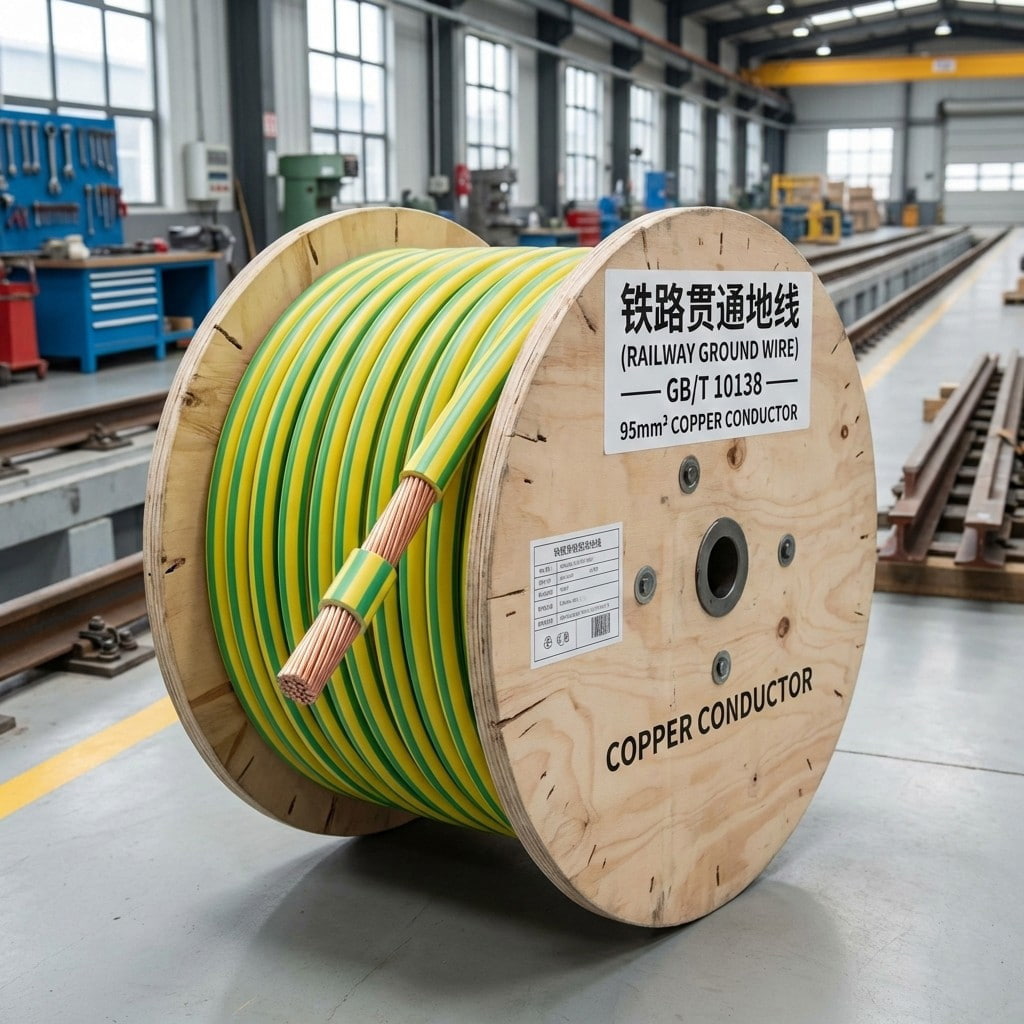
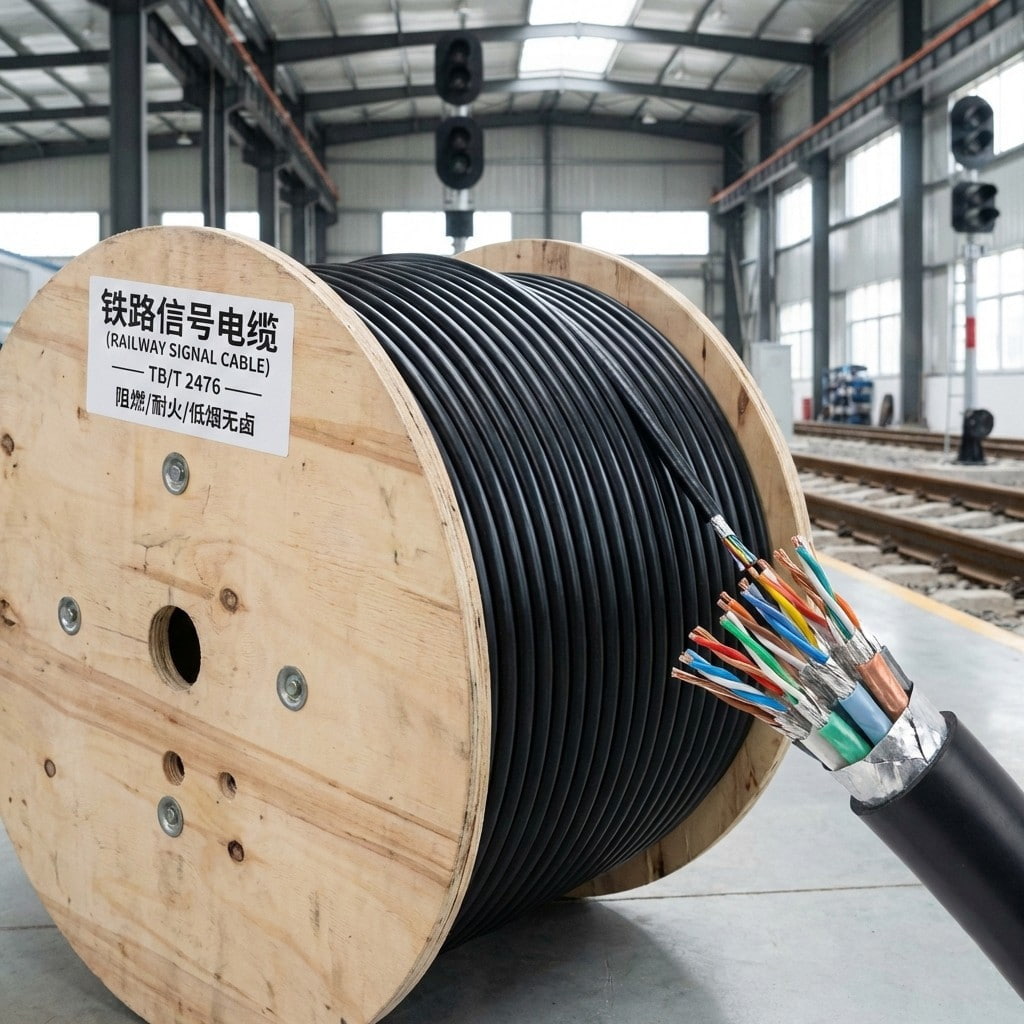
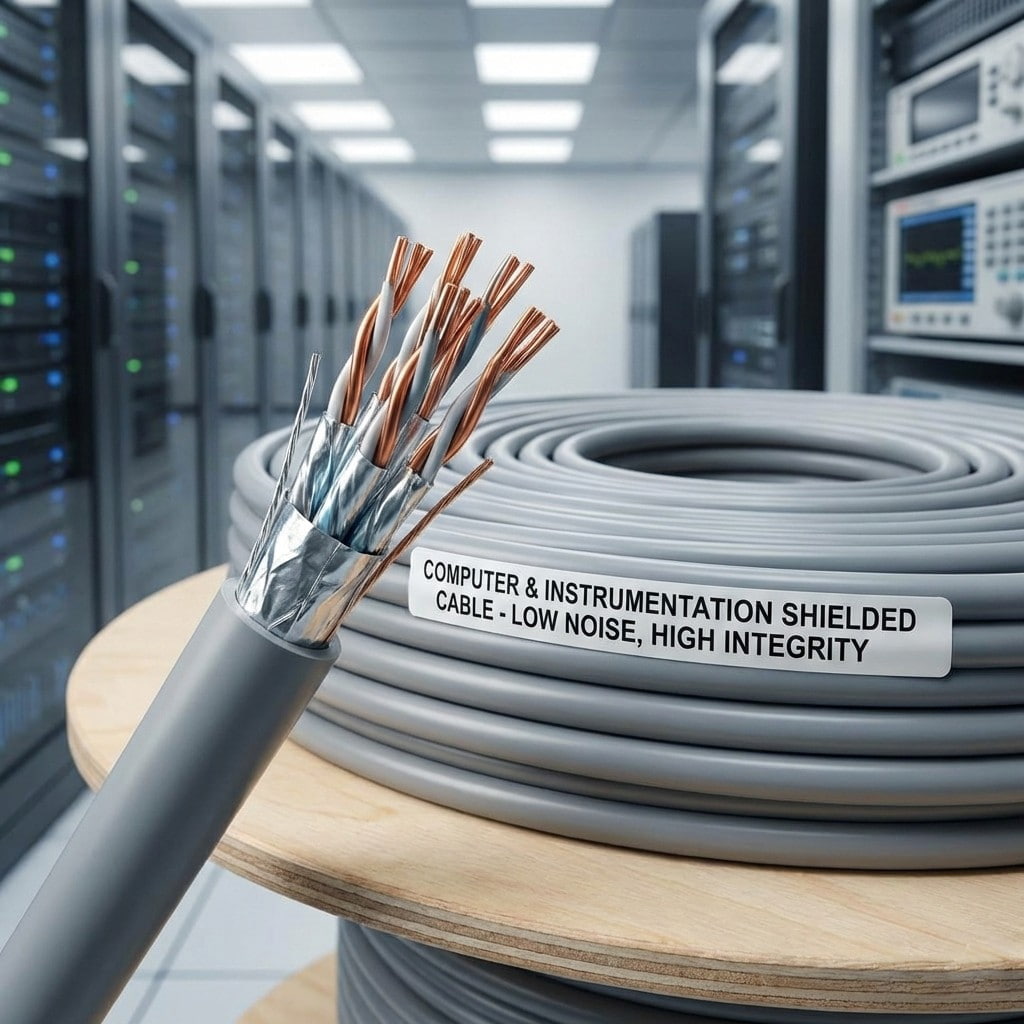
Railway signaling and control cables carry the low-voltage signals that operate interlocking systems, track circuits, axle counters, level crossing equipment, and communication networks along the railway corridor. These circuits are sensitive to interference from traction return currents and to environmental exposure in trackside installations, so the cable construction must combine effective screening with mechanical and moisture protection. Typical constructions use stranded copper conductors, XLPE or PE insulation, copper tape or braid screens with defined coverage, and a moisture-blocking or armoured outer construction for trackside burial and duct installation. Signal circuits operate at low voltage and low current, so conductor resistance, screen effectiveness, and insulation resistance are the critical parameters. Our railway signaling cables are manufactured to project specifications referencing IEC, BS, and rail-specific standards, with test documentation including screen coverage, capacitance, and insulation resistance.
02 Company Profile
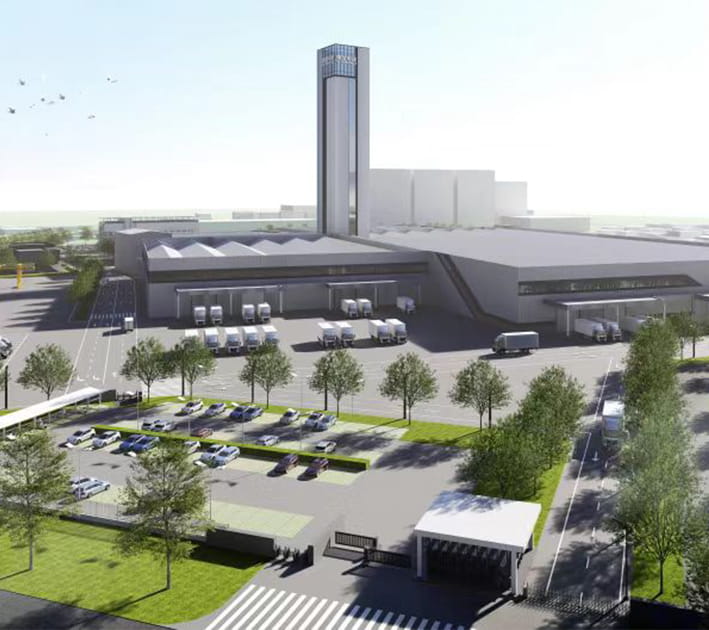
Jiangsu Qucheng Cable Technology Co., Ltd., established in 2018, operates a 40,000-square-meter factory in Yixing, Jiangsu, with control and specialty cable lines suitable for signaling constructions. Our testing center performs conductor resistance, insulation resistance, capacitance, screen coverage measurement, and voltage withstand testing, and our 5G-based smart manufacturing system records production parameters and material batches for traceability. We hold ISO9001, ISO14001, and ISO45001 certifications, along with CB and TÜV product qualifications. Our signaling and control cables are supplied to railway and transit projects in Southeast Asia and the Middle East, with documentation packages prepared against the project specification.
03 Application Fields
- Interlock Interlocking systems - Signal control circuits between interlocking equipment, signals, and point machines.
- Track Track circuits - Cables connecting track circuit equipment and impedance bonds to the signaling system.
- Crossing Level crossings - Control and detection circuits for barriers, warning lights, and obstacle detection.
- Comms Railway communication - Trackside telephone, radio, and data circuits along the corridor.
- Depot Depot signaling - Yard control, shunting signals, and depot communication circuits.
04 Technical Specifications
| Rated Voltage | 300/500V; 0.6/1 kV where required |
| Conductor Material | Plain annealed copper, Class 2 or Class 5 per IEC 60228 |
| Conductor Size | 0.5 mm² to 6 mm² |
| Number of Cores | 2 to 48 cores; pairs and quads available |
| Insulation Material | PE (Polyethylene) or XLPE |
| Screen | Copper tape (overlapped) or copper braid; coverage per specification |
| Sheath Material | PE or PVC; LSZH where specified for tunnels and stations |
| Armour | SWA or STA for buried and ducted trackside routes |
| Moisture Protection | Water-blocking tape or filled construction for buried routes |
| Operating Temperature | -40°C to +70°C (PE); -40°C to +90°C (XLPE) |
| Standards | Project specification referencing IEC 60227, BS 5308, and rail standards |
05 Key Features & Core Characteristics
- Screen Copper tape or braid screen with defined coverage reduces interference coupling from traction return currents into signal circuits.
- Pairs Pair and quad constructions maintain defined capacitance and crosstalk characteristics for signal and data circuits.
- Moisture Water-blocking tape or filled construction limits longitudinal water ingress in buried and ducted trackside routes.
- Armour SWA or STA armouring protects against mechanical damage in trackside installation and rodent activity.
- Stable PE insulation provides stable insulation resistance and low dielectric loss for low-level signal circuits.
- Trace Production records link each length to material batches, screen coverage measurements, and electrical test results.
06 Technical Notes
Railway signaling cables are specified by circuit function rather than by a single universal standard. Track circuit cables, interlocking control cables, and communication cables each have their own electrical requirements for conductor resistance, capacitance, and screen effectiveness, and the project specification normally defines these values. The screen is the most critical element for signal integrity: coverage, overlap, and the bonding arrangement determine how much traction interference reaches the signal conductors, and the design defines where the screen is earthed. For buried trackside routes, moisture ingress is the main long-term degradation mechanism, so water-blocking construction and armouring are typically specified together. Installation practice matters as much as cable construction: screen continuity through joints, correct glanding, and respected bending radii all affect performance. We review the project specification item by item and confirm the test requirements for each cable type before quotation, so the delivered construction and documentation match the acceptance criteria.
07 Frequently Asked Questions
Furthermore, the company has integrated a 5G-based smart manufacturing system, enabling digital monitoring of the production process and full quality traceability, thereby enhancing efficiency and product consistency. Qucheng Cable is committed to providing safe, reliable, and high-performance cable solutions for global customers.