English
 中文简体



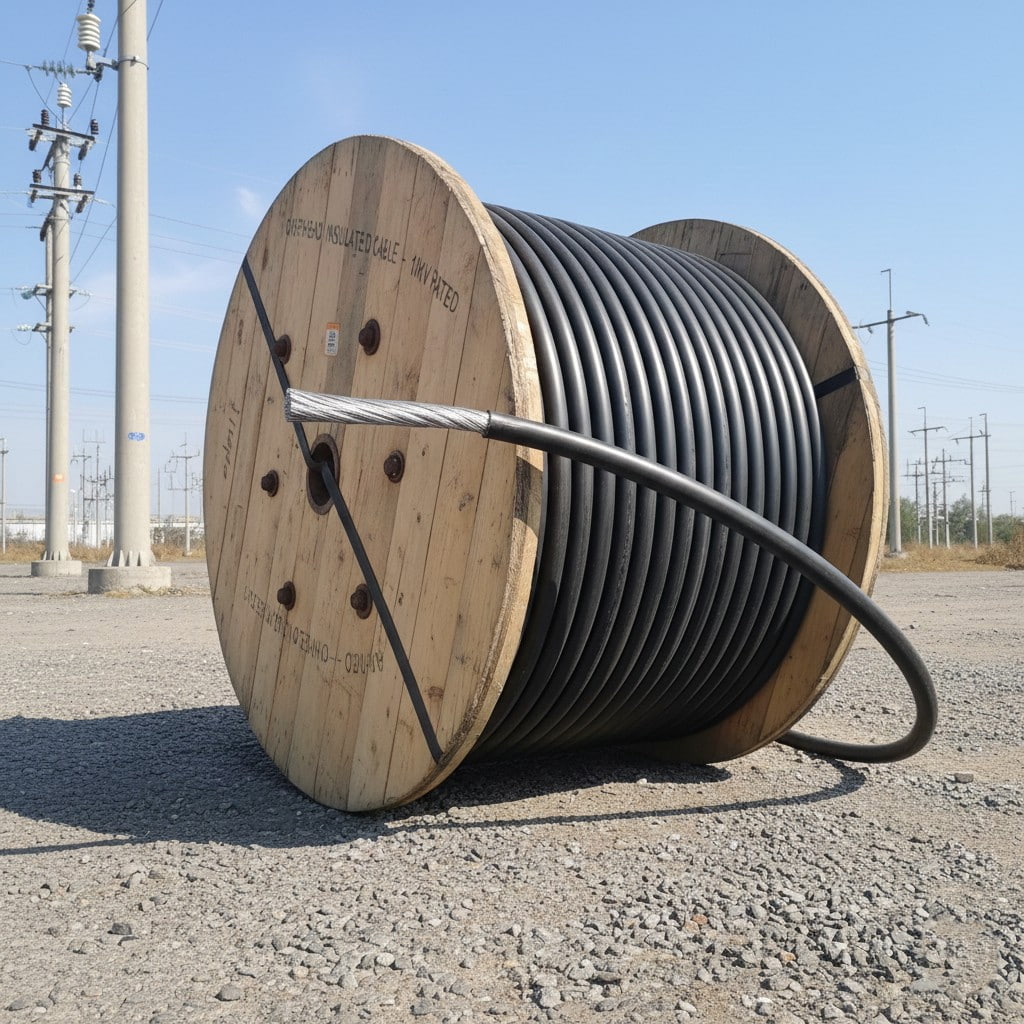
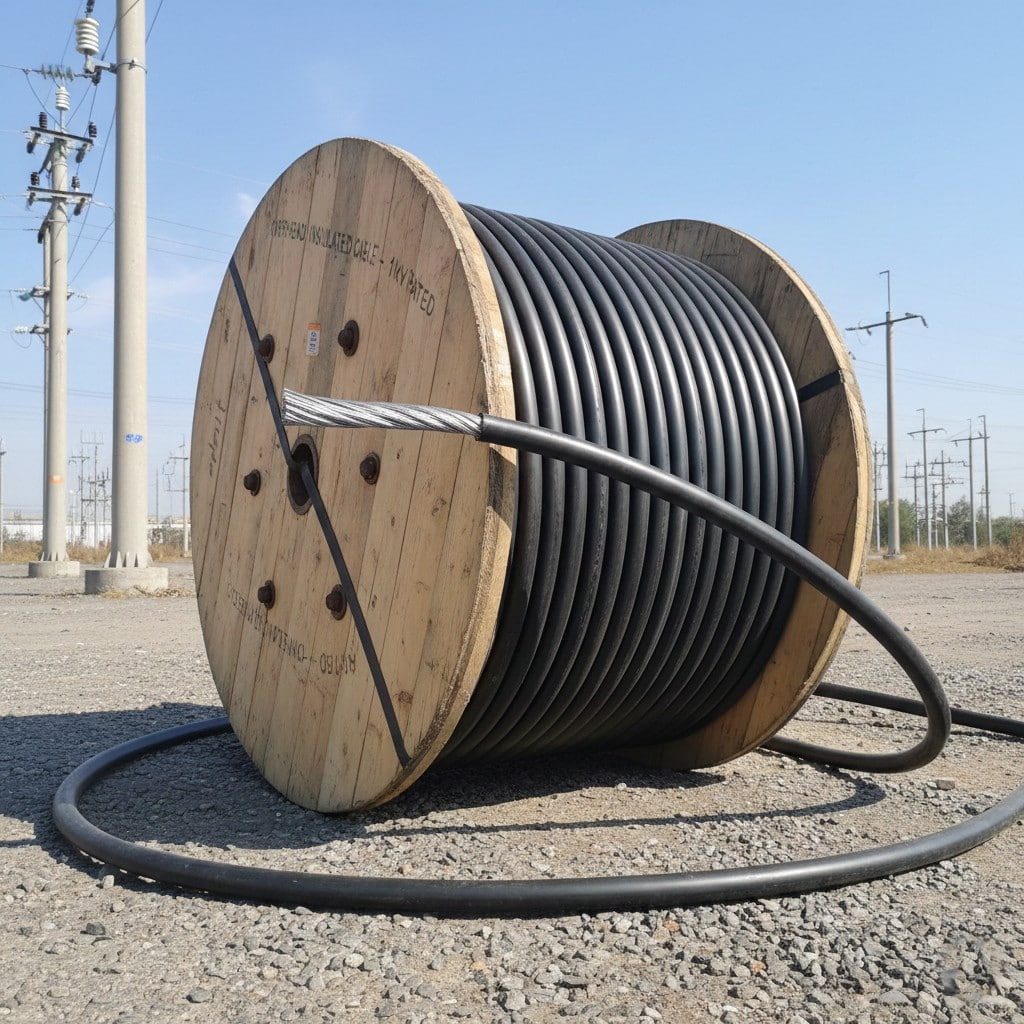
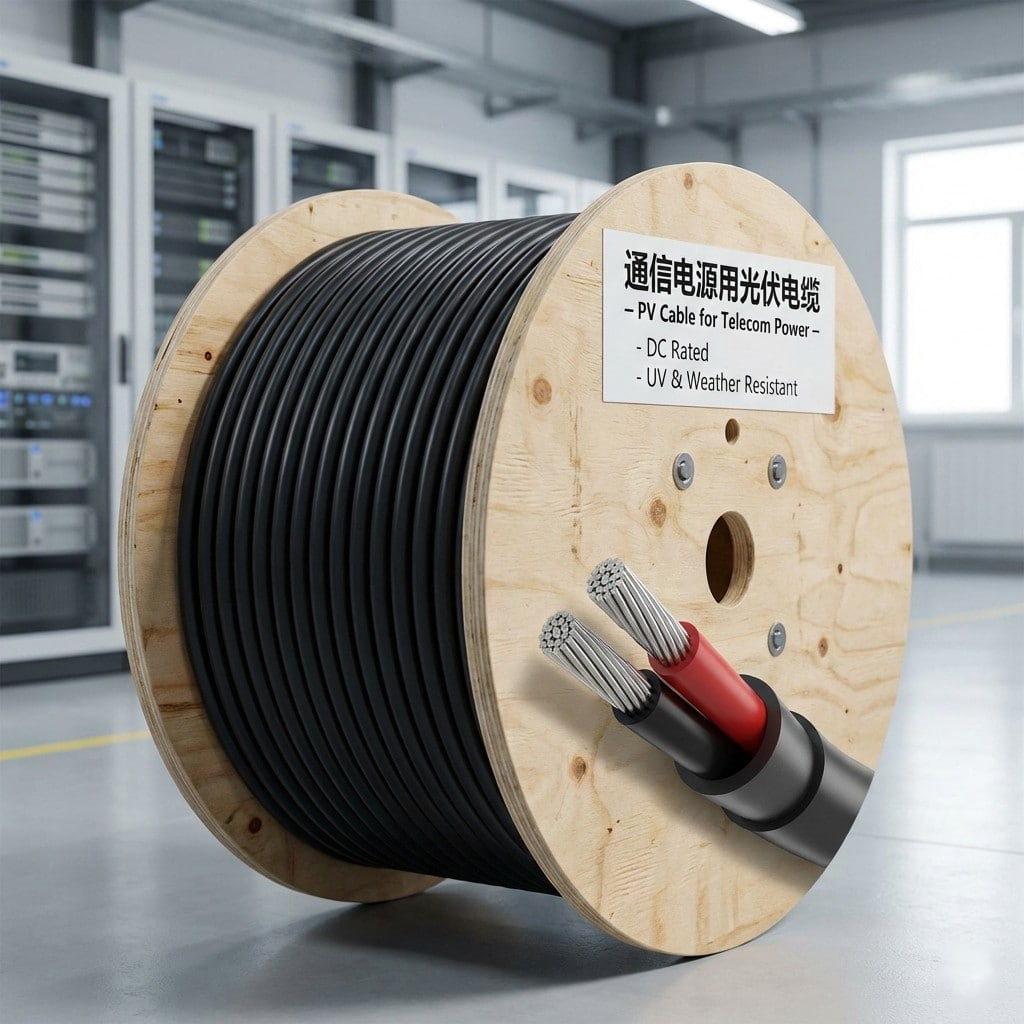
-- Steady & Reliable Manufacturer --
01 Product Overview
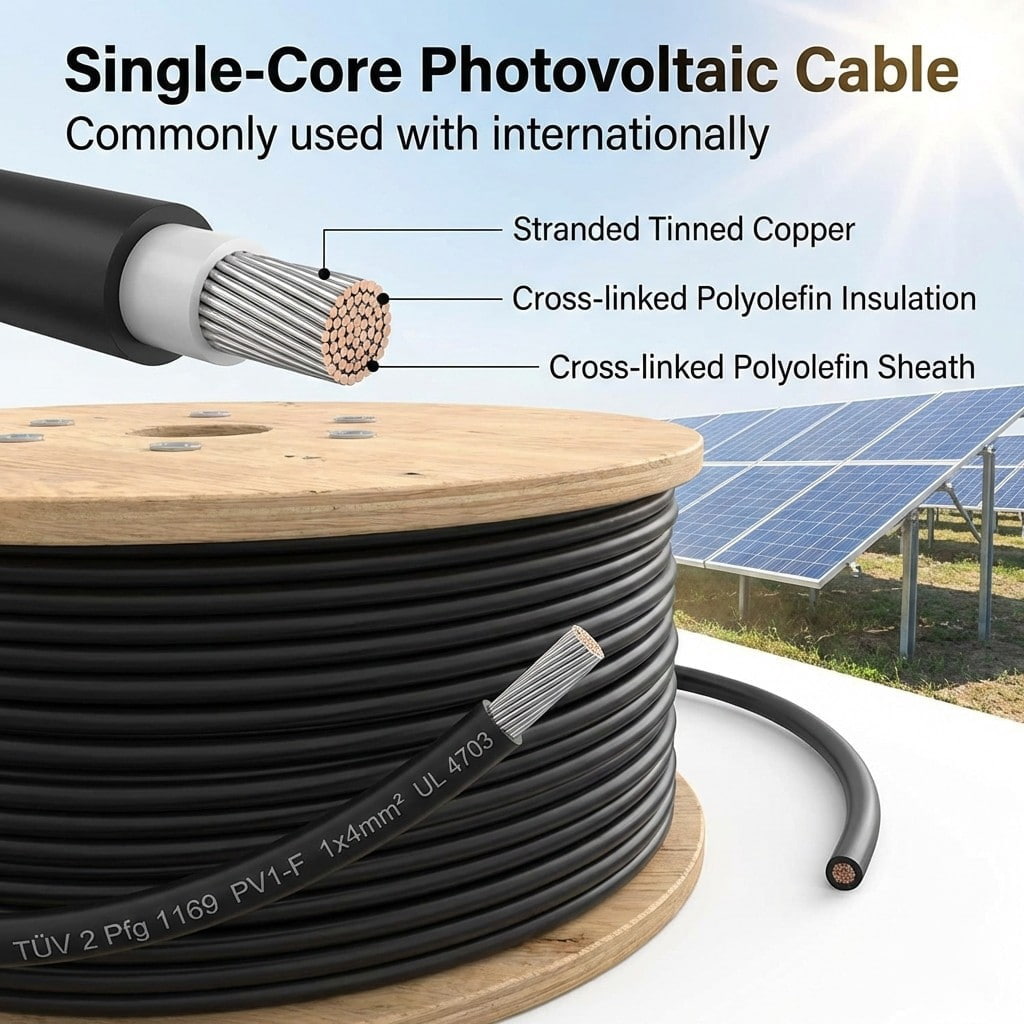
Photovoltaic (PV) power plant cables are specifically designed for the interconnection of solar panels, inverters, and grid connection points in solar energy systems. These cables are rated for DC voltages typical in PV systems (up to 1.5 kV DC or 1.8 kV DC) and are constructed with insulation and sheathing materials capable of withstanding outdoor exposure, UV radiation, extreme temperatures, and mechanical stress. Key design features include UV-resistant sheathing, temperature resistance from -40°C to +90°C (with short-circuit ratings up to +120°C), and compliance with standards such as EN 50618, IEC 62930, and TÜV 2 Pfg 1169/08.2021. Our PV cables are manufactured with tinned copper conductors for corrosion resistance and XLPE or cross-linked polyolefin insulation for superior electrical and mechanical properties. The cables are designed for a service life of at least 25 years, matching the lifespan of solar panels, and are suitable for use in grounded and ungrounded PV systems.
02 Company Profile
Jiangsu Qucheng Cable Technology Co., Ltd., established in 2018 in Yixing, Jiangsu, operates from a 40,000-square-meter factory with production lines dedicated to new energy cables, including photovoltaic cables. Our manufacturing process includes conductor stranding, insulation extrusion using cross-linked polyolefin or XLPE, sheathing, and testing. We hold ISO9001, ISO14001, ISO45001, TÜV, and CB certifications, and our PV cables comply with EN 50618, IEC 62930, and TÜV 2 Pfg 1169/08.2021. Our 5G-based smart manufacturing system ensures consistent quality and traceability for every production batch. Our products are used in solar power plants across Southeast Asia, the Middle East, and other markets where renewable energy projects are expanding.
03 Application Fields
- Solar Utility-scale solar farms - Interconnection of photovoltaic modules, string inverters, and combiner boxes in large PV power plants.
- Commercial Commercial rooftop installations - Cabling for solar arrays on industrial and commercial buildings with exposed outdoor conditions.
- Residential Residential solar systems - Home solar installations requiring flexible, UV-resistant cables for roof and structure mounting.
- Agrivoltaic Agrivoltaic projects - Solar installations integrated with agricultural land, requiring durable cables in outdoor environments.
- Hybrid Hybrid energy systems - PV systems combined with energy storage and grid connection, requiring cable compatibility across multiple subsystems.
04 Technical Specifications
| Rated Voltage DC | 1.5 kV DC or 1.8 kV DC (depending on standard) |
| Rated Voltage AC | 0.6/1 kV AC |
| Conductor Material | Tinned annealed copper, Class 5 flexible per IEC 60228 |
| Conductor Size | 2.5 mm² to 35 mm² (AWG 14 to AWG 2) |
| Insulation Material | XLPE (Cross-linked Polyethylene) or cross-linked polyolefin |
| Sheath Material | UV-stabilized, halogen-free cross-linked polyolefin (LSZH) |
| Sheath Color | Black (standard) or red (for positive DC circuits) |
| Temperature Range | -40°C to +90°C (normal), up to +120°C (short circuit, ≤ 5 seconds) |
| UV Resistance | Passes 1,000 hours UV exposure per UL 4703 or equivalent |
| Halogen Content | Zero halogen per IEC 60754-2 (pH ≥ 4.3, conductivity ≤ 10 µS/mm) |
| Flame Retardance | IEC 60332-1-2 (single cable) and IEC 60332-3-24 (bunched cables) |
| Standards | EN 50618, IEC 62930, TÜV 2 Pfg 1169/08.2021, UL 4703 (optional) |
05 Key Features & Core Characteristics
- UV UV-resistant sheathing withstands prolonged outdoor exposure without surface cracking or degradation of mechanical properties.
- Flex Class 5 stranded copper conductors provide flexibility for installation in cable trays, conduits, and tight routing around panel structures.
- Temp Cross-linked insulation and sheathing maintain electrical and mechanical properties at temperatures from -40°C to +90°C, with +120°C short-circuit rating.
- Halogen Zero halogen materials meet IEC 60754-2, preventing corrosive gas release in fire events in sensitive environments.
- Flame Flame-retardant properties limit fire spread along cable pathways as verified by IEC 60332-1-2 and IEC 60332-3-24.
- Life Designed for a 25-year service life under outdoor exposure, matching the typical lifespan of PV modules.
06 Technical Notes
PV system cables are manufactured with tinned copper conductors to prevent corrosion under outdoor exposure, particularly in coastal environments. The conductor is insulated with cross-linked polyolefin or XLPE, providing resistance to heat, moisture, and electrical stress. The sheath is extruded using a UV-stabilized, halogen-free cross-linked polyolefin compound that resists UV degradation, ozone, and outdoor weathering while maintaining flexibility over the cable's service life. Testing includes conductor resistance measurement, insulation resistance testing, high-voltage withstand testing, and UV exposure testing per UL 4703 or EN 50618 requirements. The cables are also subjected to flame retardance testing to ensure compliance with building codes and safety standards. Our 5G-based smart manufacturing system records all production parameters, including extrusion temperature and line speed, ensuring consistent quality and providing full material traceability. We recommend selecting cable sizes based on the system voltage, current capacity, and voltage drop requirements, with professional consultation for large-scale projects.
07 Material Selection Guide
For PV power plant cabling, material selection depends on the system configuration and environmental conditions:
- Conductor Tinned copper is recommended for PV applications due to its corrosion resistance and compatibility with DC systems. Stranded conductors (Class 5) provide necessary flexibility for routing in dynamic or tight installations. Aluminum conductors may be considered for large-scale projects where weight and cost are priorities.
- Insulation Cross-linked polyolefin or XLPE is standard for PV cables due to its thermal stability, moisture resistance, and long service life. The cross-linking process improves resistance to heat and mechanical stress compared to thermoplastic materials.
- Sheath UV-stabilized LSZH polyolefin provides protection against UV radiation, ozone, and weathering while maintaining flame retardance and zero halogen properties. Black sheathing is standard for outdoor installations, with red often used for positive DC circuits to aid identification.
08 Frequently Asked Questions
Furthermore, the company has integrated a 5G-based smart manufacturing system, enabling digital monitoring of the production process and full quality traceability, thereby enhancing efficiency and product consistency. Qucheng Cable is committed to providing safe, reliable, and high-performance cable solutions for global customers.