English
  中文简体
中文简体 


How Do Electrical Equipment Cables Ensure Safety and Efficiency in Modern Industry?
In modern industrial systems, power transmission acts much like the human "nervous system," and electrical equipment cables serve as one of the most critical connecting links. Whether in smart manufacturing workshops, power plants, or automated control systems, stable support from high-performance cables is indispensable.
What Are Electrical Equipment Cables?
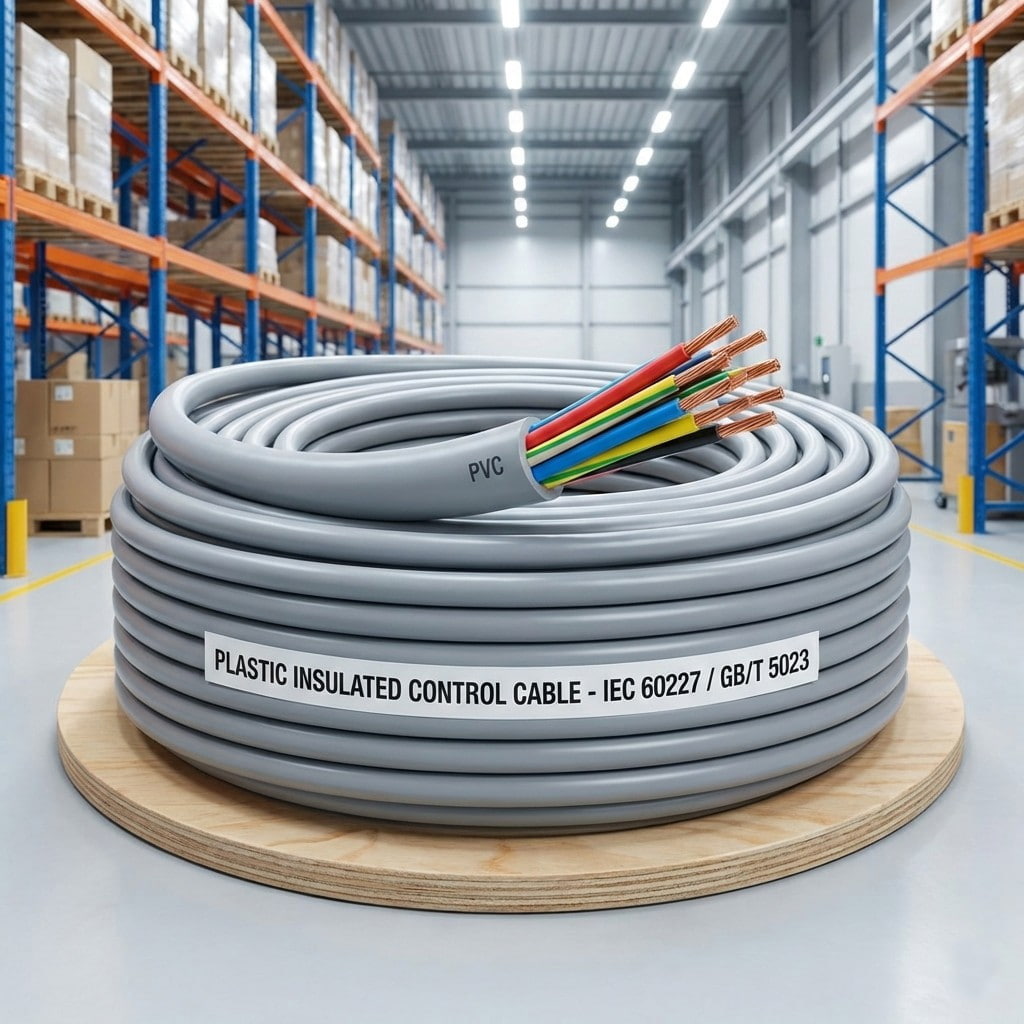
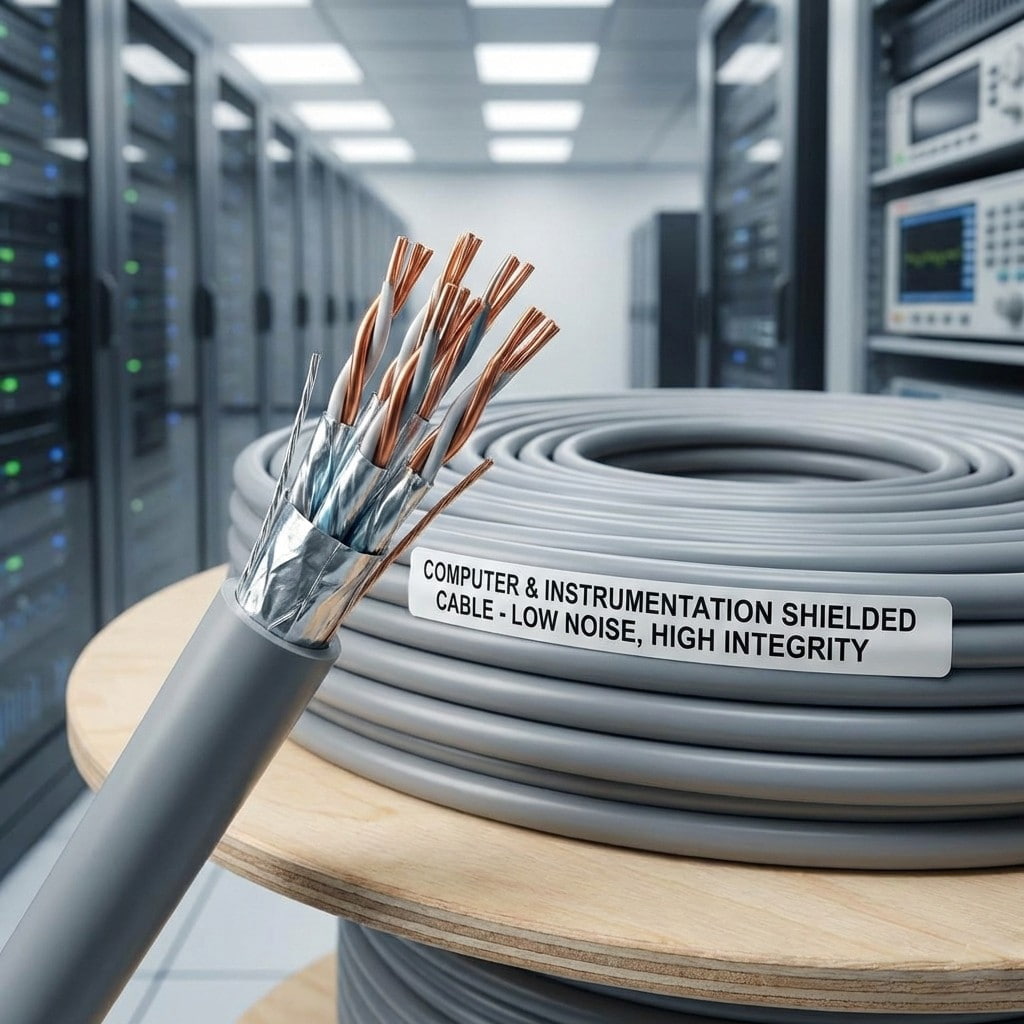
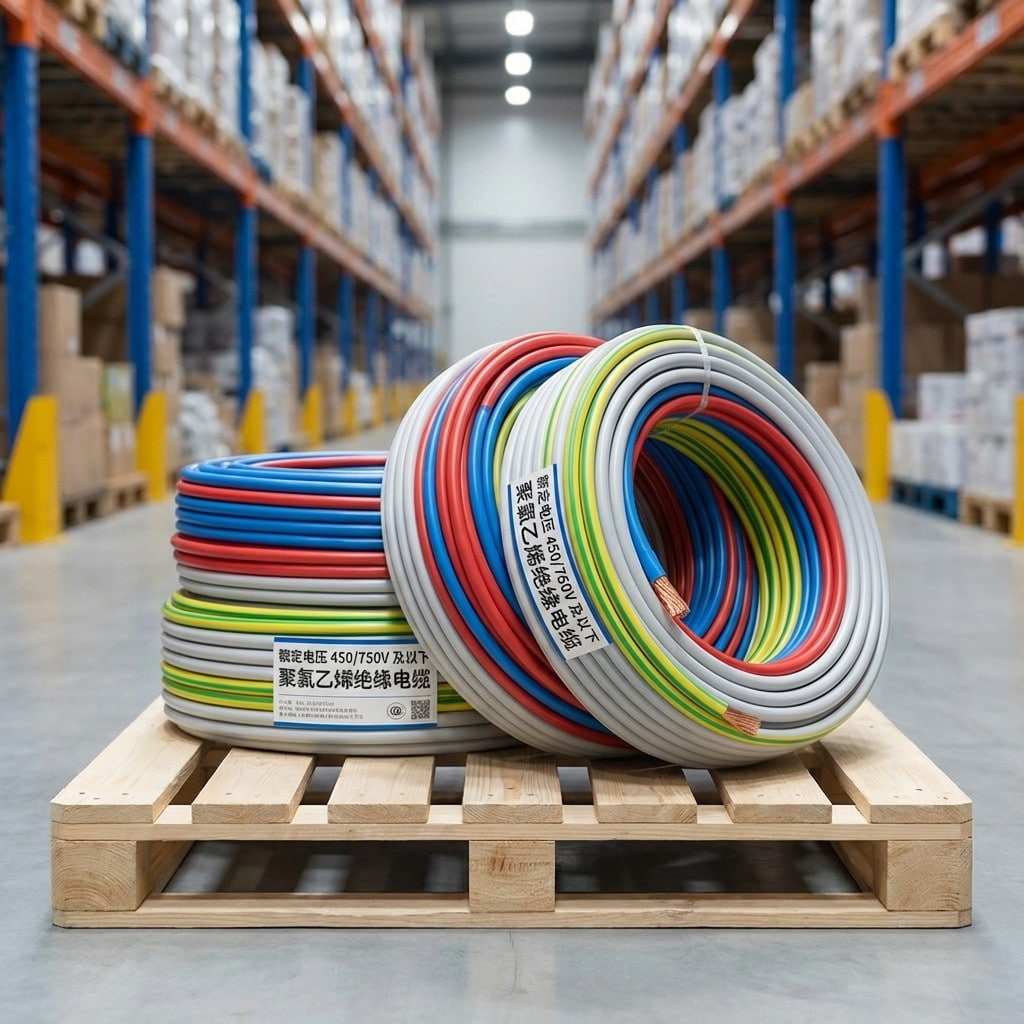
Electrical equipment cables generally refer to cables used for connections within or between various types of electrical equipment, primarily serving functions such as power transmission, signal control, and system integration. Compared to standard cables, they demand superior insulation, heat resistance, interference immunity, and long-term stability.
In practical applications, these cables are commonly found in power distribution cabinets, industrial machinery, automated production lines, control systems, and energy equipment. Cable instability can lead to consequences ranging from reduced equipment efficiency to system downtime or even safety accidents.
Why Are Demands for Electrical Equipment Cables Rising in Modern Industry?
With the rapid development of the new energy industry, the operating environments for electrical equipment cables have become increasingly complex.
On one hand, as equipment operating power rises, cables must withstand higher current loads; on the other, the increasing automation of factories makes signal transmission precision critically important. New energy applications—such as wind and solar power—often operate in harsh outdoor environments, imposing stricter requirements for weather resistance and aging resistance.
Against this backdrop, traditional cables often fall short of meeting these needs, making the capability to manufacture specialized, highly reliable, and stable cables essential.
How Do Manufacturing Processes Determine Cable Performance?
Cable performance depends not only on the materials used but also—and perhaps more importantly—on the precision of the manufacturing process. Every stage, from conductor drawing and insulation extrusion to the final cabling process, influences the stability of the finished product.
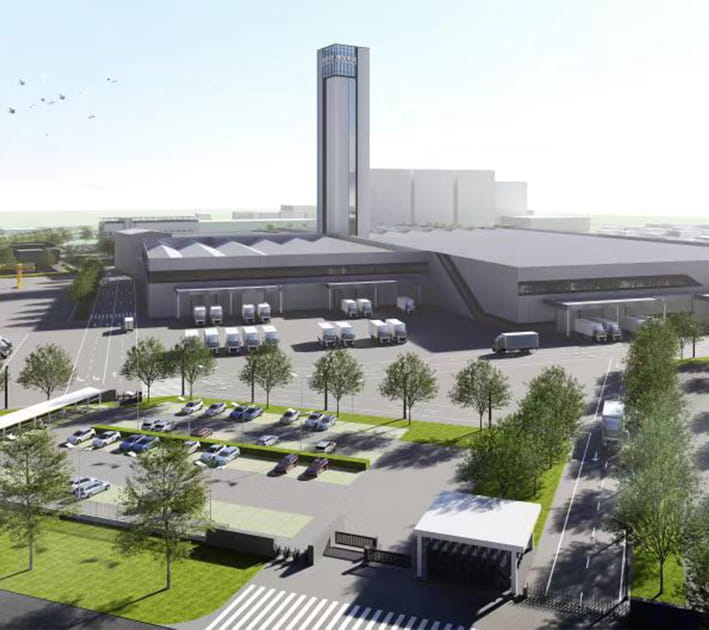
Located in Yixing, Jiangsu—a major hub for cable manufacturing in China—Jiangsu Qucheng Cable Technology Co., Ltd. leverages regional supply chain advantages. The company has established a modern production base spanning approximately 40,000 square meters, equipped with advanced production lines and a comprehensive testing center, ensuring that every batch of cables undergoes multi-dimensional performance testing before leaving the factory.
Jiangsu Qucheng Cable Technology Co., Ltd. has implemented a 5G-based smart manufacturing system, enabling digital monitoring of the production process and full-process quality traceability. This approach not only boosts production efficiency but also significantly reduces human error, resulting in greater product consistency.
Applications of Electrical Equipment Cables Across Various Sectors
In power systems, these cables are used to connect substation equipment and power distribution control systems, ensuring stable power distribution. In industrial manufacturing, they support the operation of automated equipment, keeping production lines running efficiently and continuously. In the new energy sector—whether for photovoltaic inverter systems or wind turbine units—these cables perform the dual tasks of energy transmission and system control.
As the global energy landscape undergoes rapid transformation, the scope of application for these cables continues to expand, driving increasingly stringent requirements for supply chain stability and product quality.
Why Is a Reliable Supplier Crucial?
As infrastructure components, cables can trigger a chain reaction of issues if quality problems arise. Consequently, a supplier's technical capabilities and quality management systems are of paramount importance.
Jiangsu Qucheng Cable Technology Co., Ltd. has established a comprehensive quality management system in this field. The company holds multiple international certifications—including ISO9001, ISO14001, and ISO45001—and possesses industry-recognized qualifications such as CB and TÜV. These certifications not only attest to the products' compliance with international standards but also demonstrate the company's systematic management capabilities regarding safety, environmental protection, and occupational health.
In practical applications, the company's products are widely used in power grid systems, new energy projects, and various industrial settings. They are also exported to regions such as Southeast Asia and the Middle East, demonstrating strong adaptability to the international market.
As fundamental components of modern industry, electrical equipment cables are becoming increasingly important. Every stage—from material selection and manufacturing processes to end-use applications—determines the system's stability and safety. In this context, enterprises that possess advanced manufacturing capabilities and rigorous quality systems are poised to secure a more significant position in the global market.
FAQ
Q1: What is the difference between electrical equipment cables and standard cables?
A1: The primary differences lie in application scenarios and performance requirements; electrical equipment cables place greater emphasis on stability, heat resistance, and anti-interference capabilities.
Q2: Which industries primarily use these cables?
A2: They are widely used in power systems, industrial automation, new energy sectors (photovoltaics and wind power), and various types of machinery and equipment.
Q3: How can one determine if the cable quality is reliable?
A3: You can make a comprehensive assessment based on factors such as certification systems, testing standards, manufacturing processes, and application cases.
Q4: What impact does intelligent manufacturing have on the cable industry?
A4: Intelligent manufacturing enhances production consistency, reduces errors, and enables end-to-end quality traceability, thereby improving overall product reliability.