English
  中文简体
中文简体 


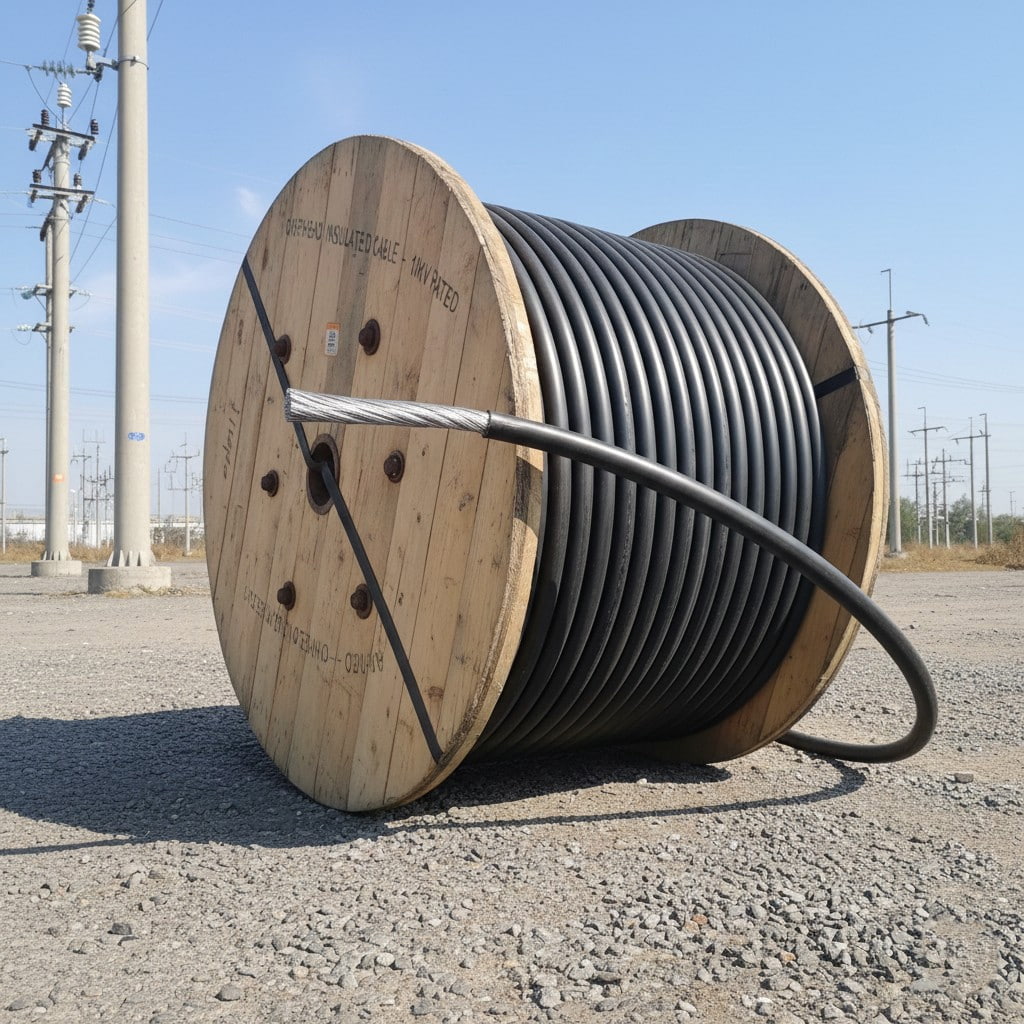
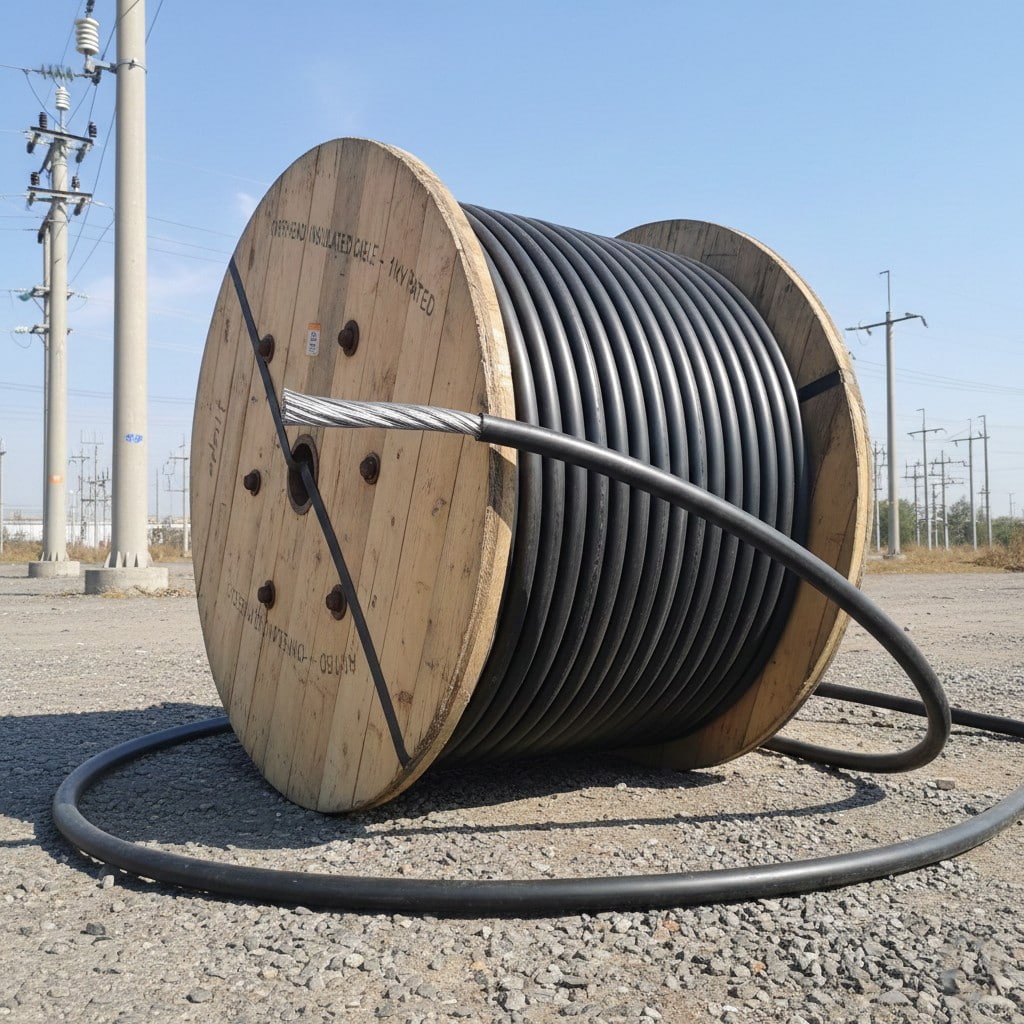
Why Are Overhead Insulated Cables Becoming a Safety-Critical Component of Modern Power Distribution Systems?
Amidst the continuous upgrading of urban power grids and the accelerated pace of rural electrification, overhead insulated cables are evolving from mere auxiliary materials into key components that enhance the safety and stability of power supply. Compared to traditional bare overhead conductors, their structural and performance advancements are reshaping the operation of medium- and low-voltage transmission and distribution lines.
Why Power Distribution Systems Need to Shift from Bare Conductors to Insulated Cables
Traditional overhead lines typically utilize bare conductors, relying on safety clearances—both between conductors and between conductors and their surroundings—to prevent accidents. However, in actual operation, this approach is vulnerable to external environmental factors; issues such as tree encroachment, swaying caused by strong winds, ice and snow accumulation, and animal contact can all trigger short circuits or power outages.
Overhead insulated cables feature a multi-layer insulation structure around the conductor, providing inherent protection and reducing reliance on external clearance space. This structural upgrade enables power lines to maintain stable operation even in complex environments, making it a key strategy for grid modernization in many regions.
The Core Operational Value of Overhead Insulated Cables
From an engineering perspective, the advantages of these cables lie not only in enhanced safety but also in improved overall operational efficiency.
Improved operational safety
The insulation layer effectively prevents direct contact between the conductor and the outside environment, thereby reducing the risk of electric shock from accidental contact; this makes them particularly suitable for complex environments such as urban streets, residential areas, and forested regions.
Enhanced power supply stability
By drastically reducing external interference, the line fault rate drops significantly, leading to shorter outage times and improved overall reliability of the power system.
Advantages in operation and maintenance
Although initial construction costs are relatively high, reduced maintenance frequency and extended service life make long-term operating costs more manageable.
How Manufacturing Capabilities Determine Long-Term Cable Performance
The performance of overhead insulated cables depends heavily on the material system and manufacturing technology. The weather resistance, UV resistance, and mechanical strength of the insulation layer directly determine the cable's stability during long-term outdoor operation.
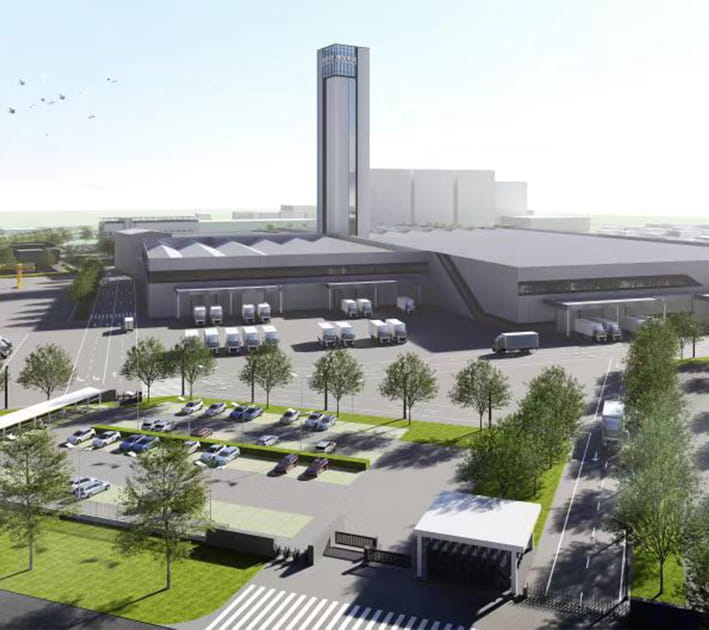
In this field, Jiangsu Qucheng Cable Technology Co., Ltd. possesses comprehensive manufacturing capabilities and robust quality assurance systems. Established in 2018 and located in Yixing, Jiangsu—a major hub for China's cable industry—the company operates a modern 40,000-square-meter factory equipped with advanced production lines and a comprehensive testing center.
As a Chinese manufacturer of customized aerial insulated cables and an OEM/ODM provider, the company offers a product portfolio that includes power cables, new energy cables, and cables for electrical equipment. These products are widely used in power grid projects, photovoltaic and wind power installations, and industrial applications. Additionally, the company exports to regions such as Southeast Asia and the Middle East, establishing a solid footprint in the international market.
How Digital Manufacturing Enhances Product Consistency
In cable manufacturing, consistency is often more critical than any single performance metric. Even minor process fluctuations can escalate into potential risks during long-term operation.
Qucheng Cable has implemented a 5G-based intelligent manufacturing system to digitally monitor the entire production process, enabling data recording and traceability from raw material input to finished product inspection. This approach not only boosts production efficiency but also significantly improves consistency across product batches, ensuring stable and reliable performance during long-term operation.
The company holds ISO9001, ISO14001, and ISO45001 management system certifications, as well as industry qualifications such as CB and TÜV, providing a systematic guarantee of product quality.
FAQ
What is the main difference between aerial insulated cables and standard bare overhead conductors?
The primary difference lies in the presence of an insulation layer. Aerial insulated cables are encased in insulating material, which reduces faults caused by external contact, whereas standard bare conductors rely on maintaining safe clearance distances during operation.
What are the suitable applications for aerial insulated cables?
They are suitable for urban power distribution networks, rural grid upgrades, lines in forested areas, and regions requiring high power supply reliability.
Do insulated cables require absolutely no maintenance?
Not exactly. While maintenance requirements are lower, periodic inspections are still necessary to ensure the insulation layer has not suffered mechanical damage or degradation due to aging.
Why is the manufacturing process crucial to cable quality?
Because factors such as insulation uniformity, material stability, and processing precision directly impact the safety and service life of the cable during long-term operation.