English
 中文简体



-- Steady & Reliable Manufacturer --
01 Product Overview
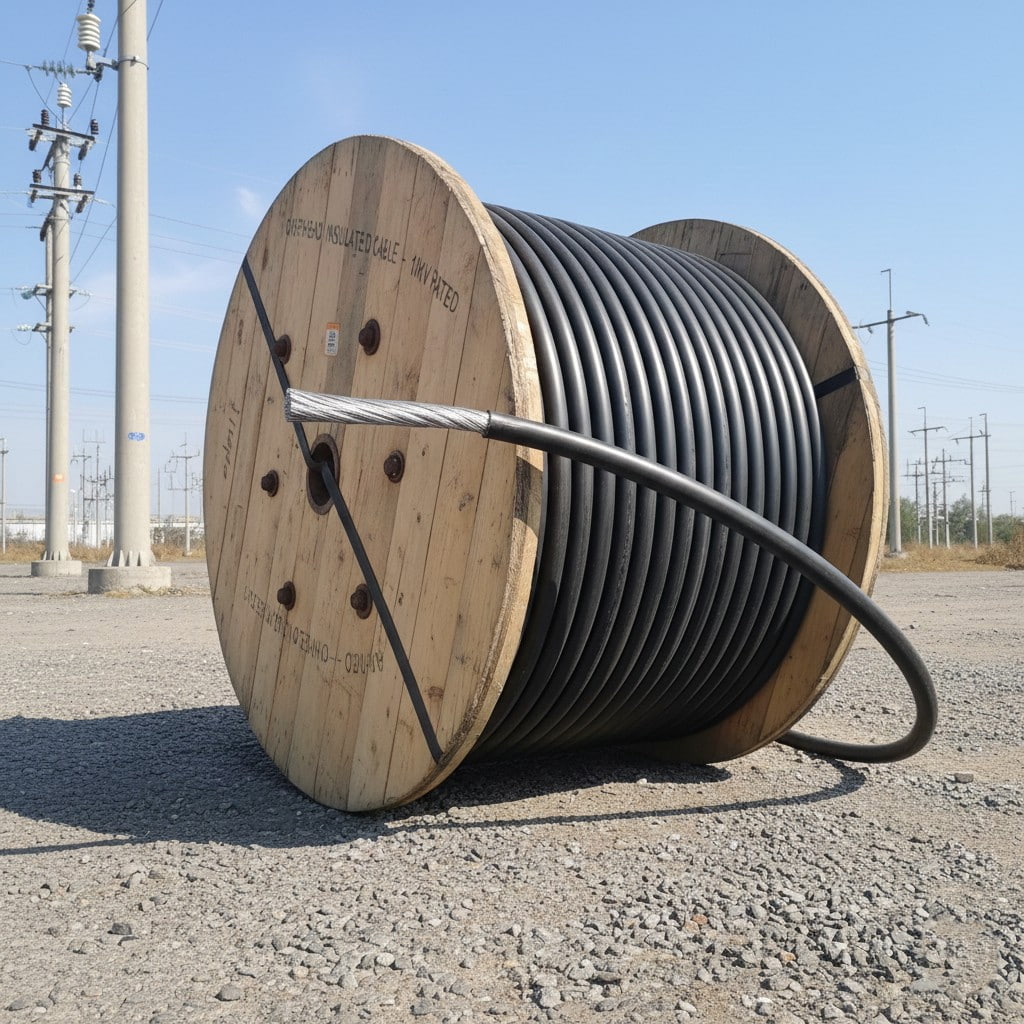
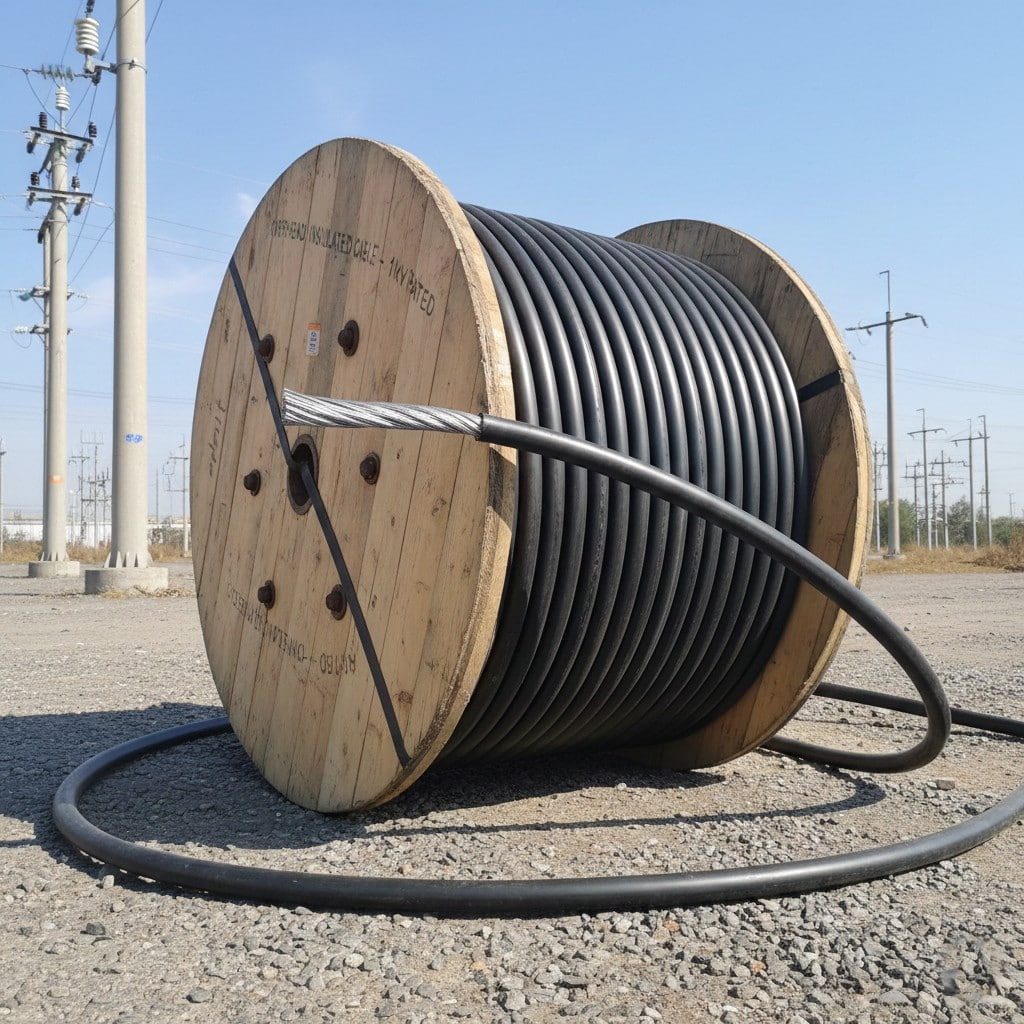
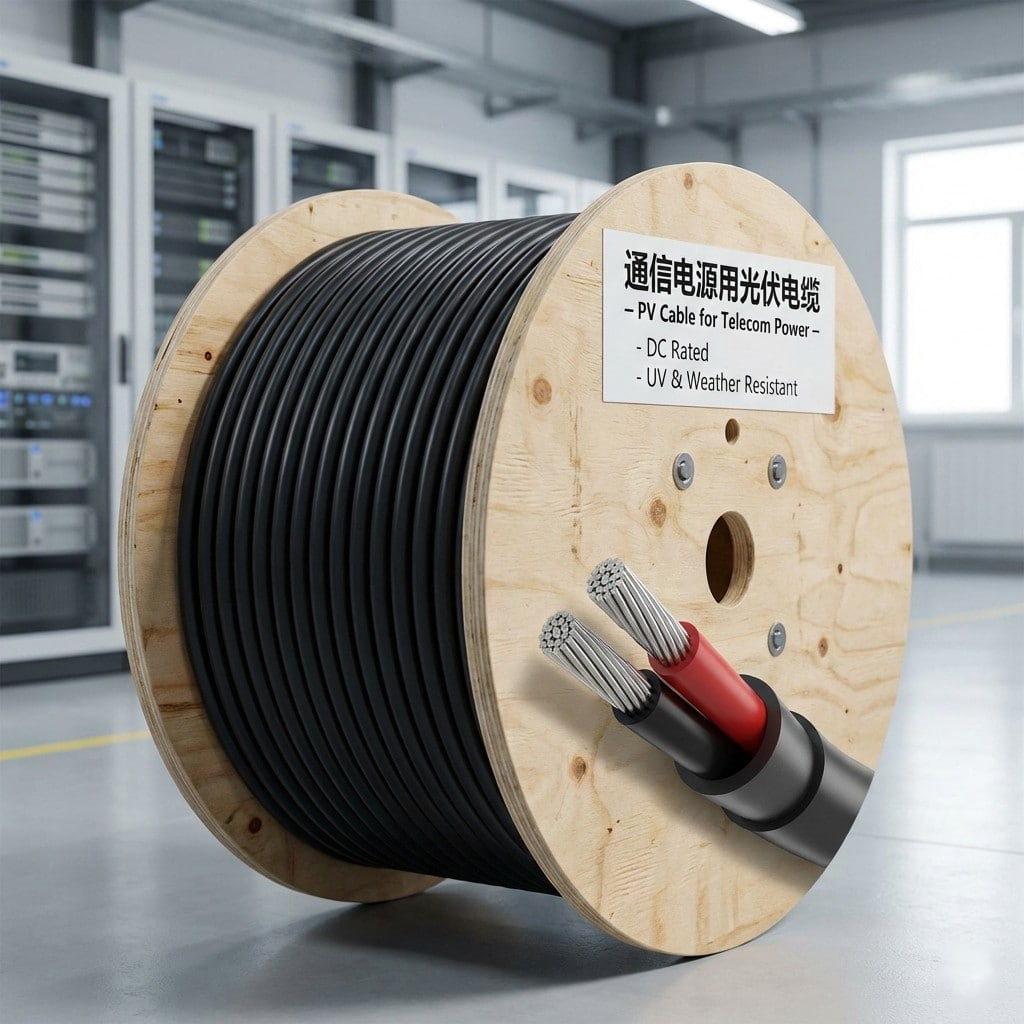
Cable lifespan is determined by the interaction between the cable construction and the conditions it experiences in service. The design life of a cable is not a single fixed number: the same construction can achieve different service lives depending on operating temperature, load cycling, moisture exposure, mechanical stress, and chemical environment. Understanding which factors dominate the degradation of a specific installation allows cable selection and installation practice to be matched to the intended service life, and allows maintenance to focus on the points where degradation is most likely. This page covers the main factors that determine cable service life and describes how construction and installation choices affect durability in different environments.
02 Company Profile
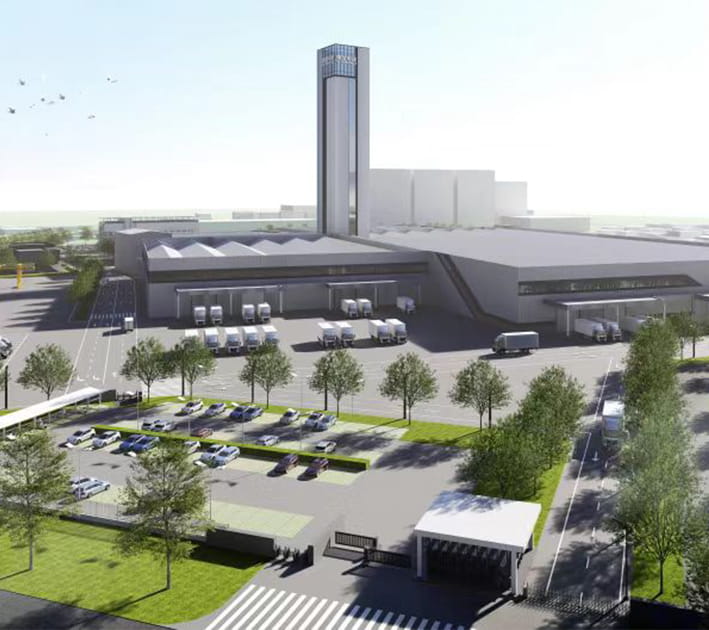
Jiangsu Qucheng Cable Technology Co., Ltd., established in 2018, operates a 40,000-square-meter factory in Yixing, Jiangsu, with production lines for power, control, and new energy cables. Our management systems are certified to ISO9001, ISO14001, and ISO45001, and our product range includes constructions designed for extended service life in demanding environments, including XLPE insulated power cables and UV-stabilized PV cables with a 25-year design life. Our testing center performs thermal, mechanical, and ageing tests, and our 5G-based smart manufacturing system records production parameters and material batches so that service life factors can be traced to the delivered cable.
03 Application Fields
- Selection Cable selection for long-life installations - Projects where service life and maintenance intervals are defined requirements.
- Thermal High-temperature routes - Installations where operating temperature dominates degradation, such as near process equipment.
- Buried Buried and humid installations - Routes where moisture ingress and water treeing are the main degradation mechanisms.
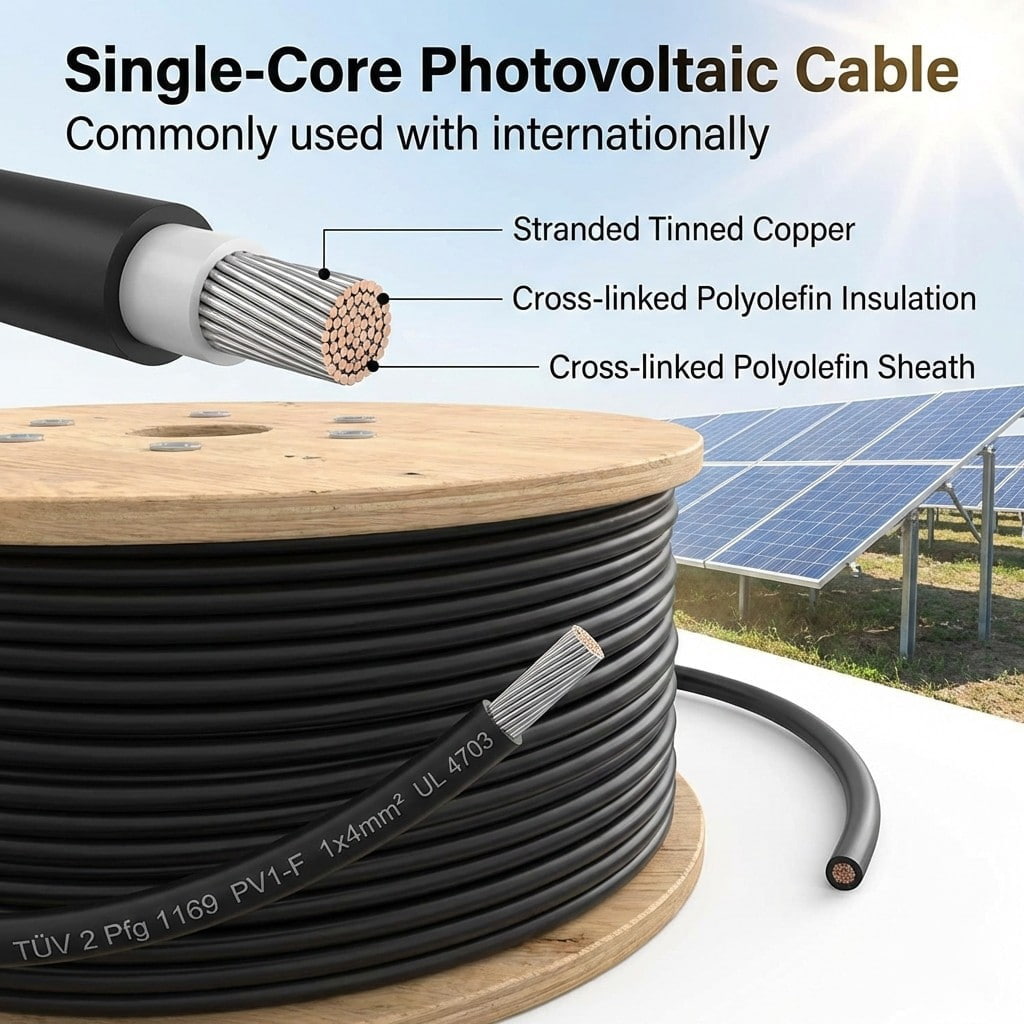
- Solar Solar and outdoor installations - Systems where UV exposure and thermal cycling determine the design life.
- Maintenance Maintenance planning - Inspections and replacements scheduled against the dominant degradation mechanism of each route.
04 Technical Specifications
| Thermal Limit | 70°C (PVC), 90°C (XLPE), 105°C to 180°C (specialty compounds) |
| Thermal Ageing | Accelerated ageing tests per IEC 60811 series |
| Moisture Resistance | Water-blocking construction for buried routes; dry-cured XLPE for humid installations |
| UV Resistance | UV-stabilized compounds tested per UL 4703 or EN 50618 |
| Mechanical Durability | Abrasion and flex fatigue testing depending on application |
| Design Life | 25 years for PV cables; project-specific for other constructions |
| Load Cycling | Thermal cycling effects on insulation and connections |
| Documentation | Ageing test reports and material certificates supporting service life claims |
05 Key Features & Core Characteristics
- Thermal Operating temperature relative to the insulation limit is the dominant factor in most cable degradation.
- Moisture Moisture ingress and water treeing dominate degradation in buried and humid installations, addressed by water-blocking construction and dry-cured XLPE.
- UV UV exposure degrades standard compounds on outdoor routes, addressed by UV-stabilized sheathing.
- Mechanical Abrasion and flex fatigue determine service life in dynamic and high-wear applications.
- Cycling Load cycling affects both insulation and connection points, and is a factor in installations with variable load patterns.
- Docs Ageing test reports and material certificates support service life claims for project specifications.
06 Technical Notes
Cable service life is governed by the Arrhenius relationship for thermal ageing, in which the rate of chemical degradation approximately doubles for every 8°C to 10°C increase in operating temperature above the reference. This is why operating temperature relative to the insulation limit is the dominant factor in most installations: a cable running close to its temperature limit ages considerably faster than one running well below it. Moisture is the second major factor, particularly in buried and humid installations, where water treeing in insulation progressively reduces dielectric strength; dry-cured XLPE and water-blocking construction address this mechanism. UV exposure degrades standard sheathing compounds on outdoor routes, and UV-stabilized grades are specified where this applies. Mechanical factors, including abrasion and flex fatigue, determine service life in dynamic applications. Because these mechanisms differ, maintenance planning should focus on the dominant mechanism of each route rather than applying a single replacement interval across an installation.
07 Frequently Asked Questions
Furthermore, the company has integrated a 5G-based smart manufacturing system, enabling digital monitoring of the production process and full quality traceability, thereby enhancing efficiency and product consistency. Qucheng Cable is committed to providing safe, reliable, and high-performance cable solutions for global customers.