English
 中文简体



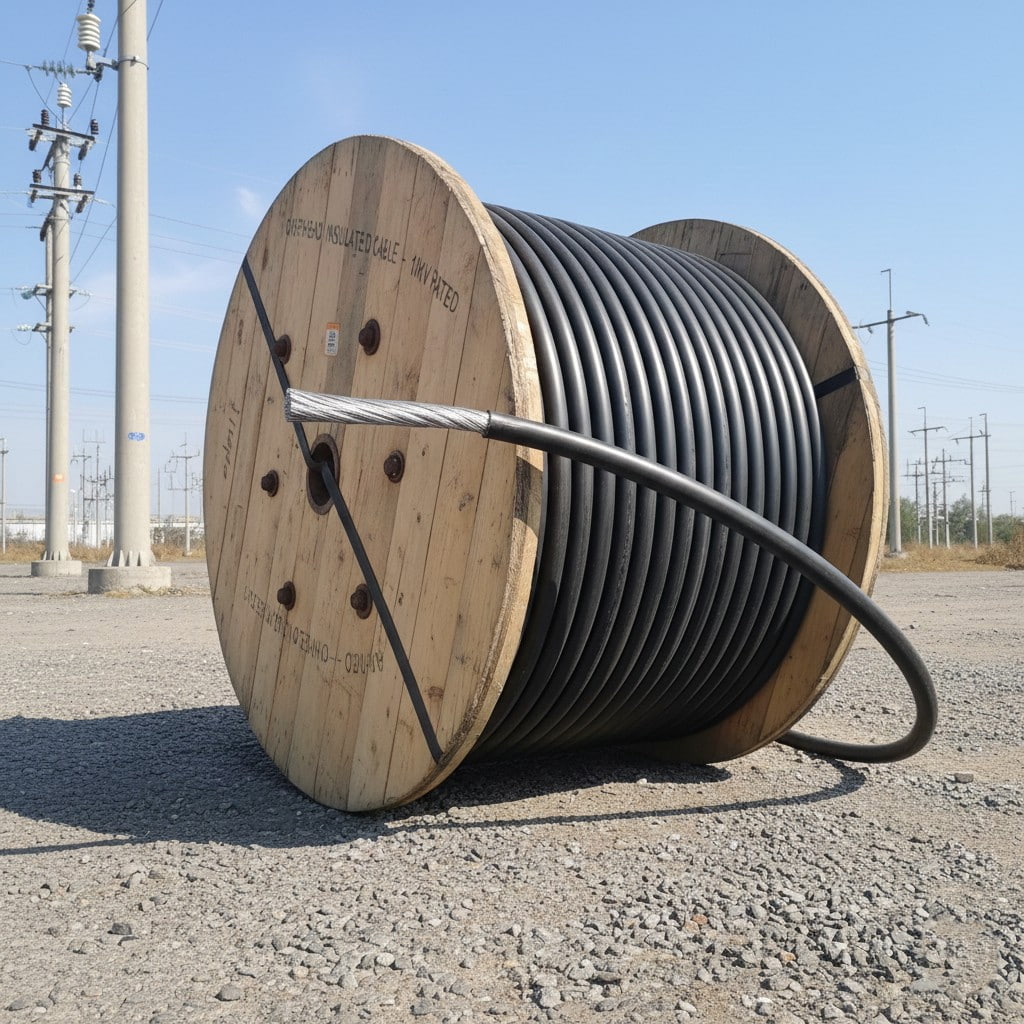
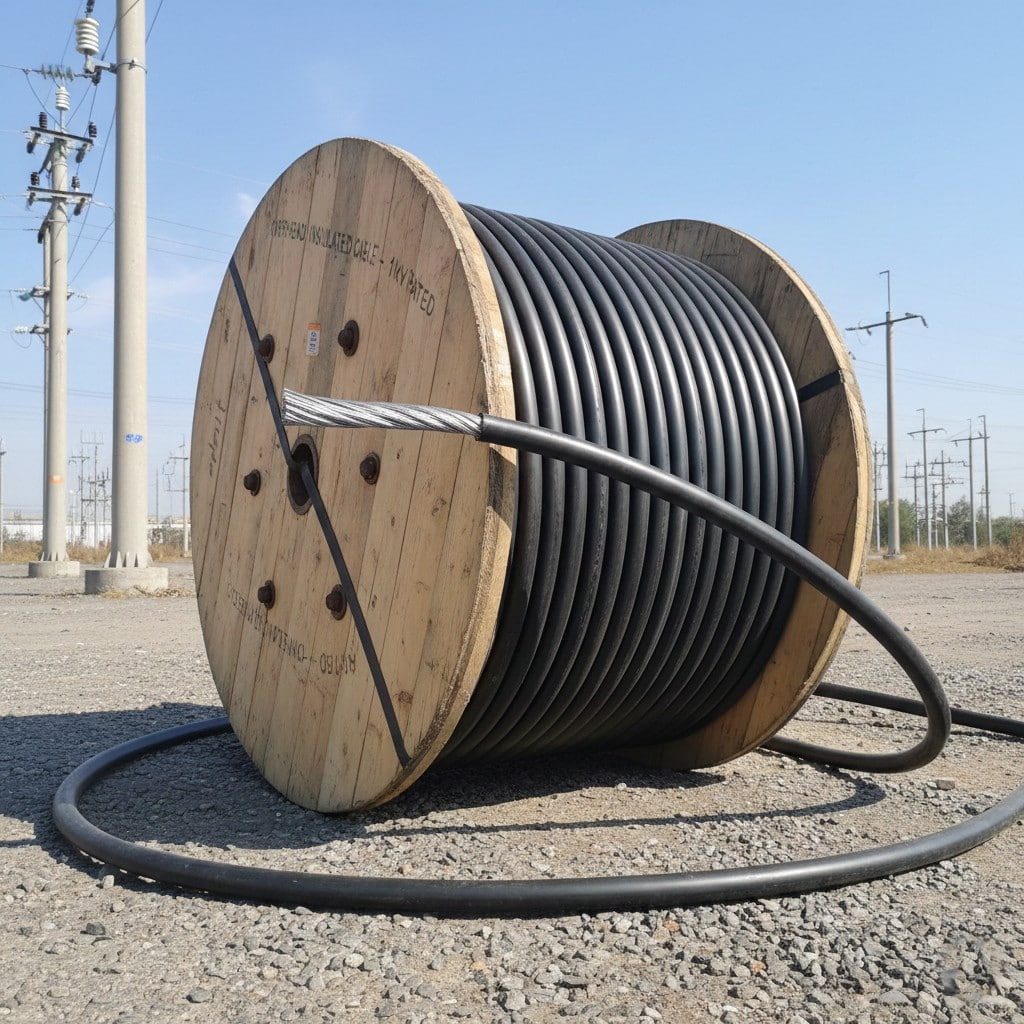
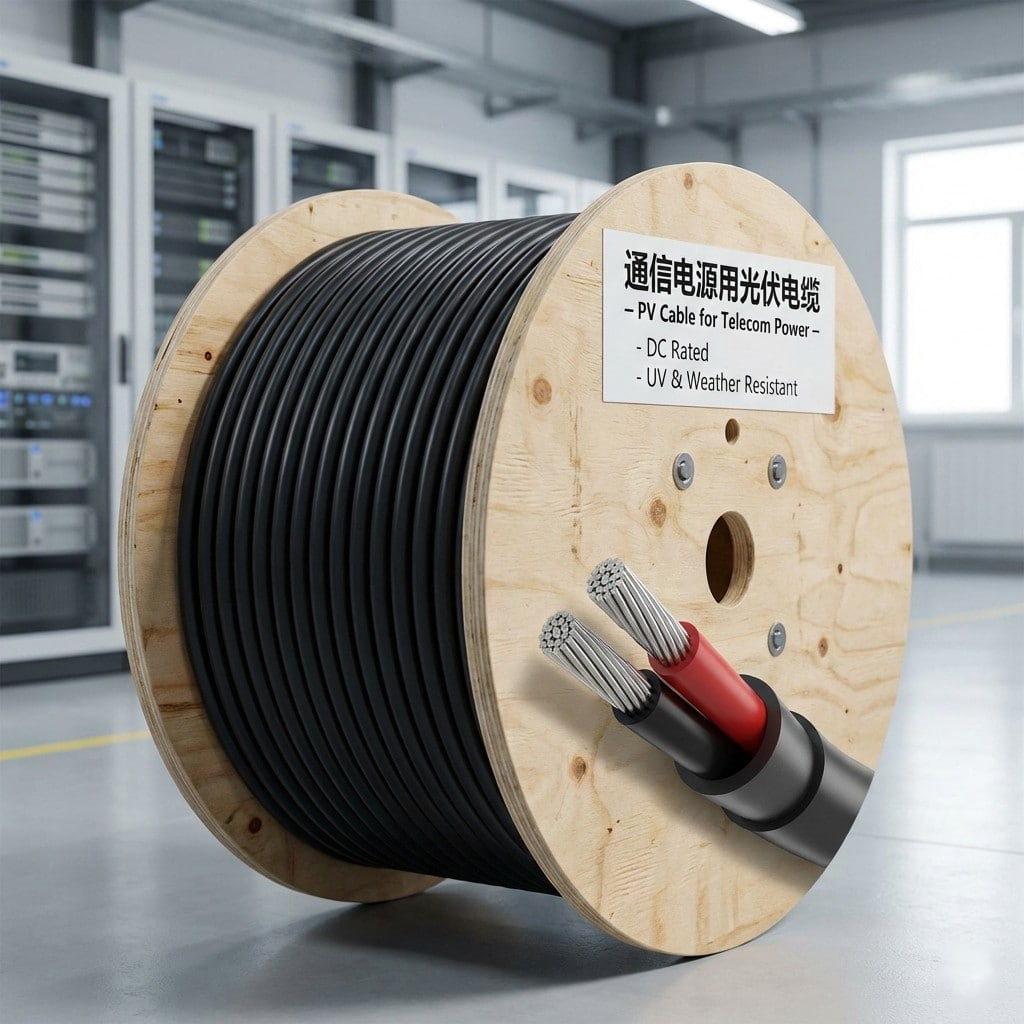
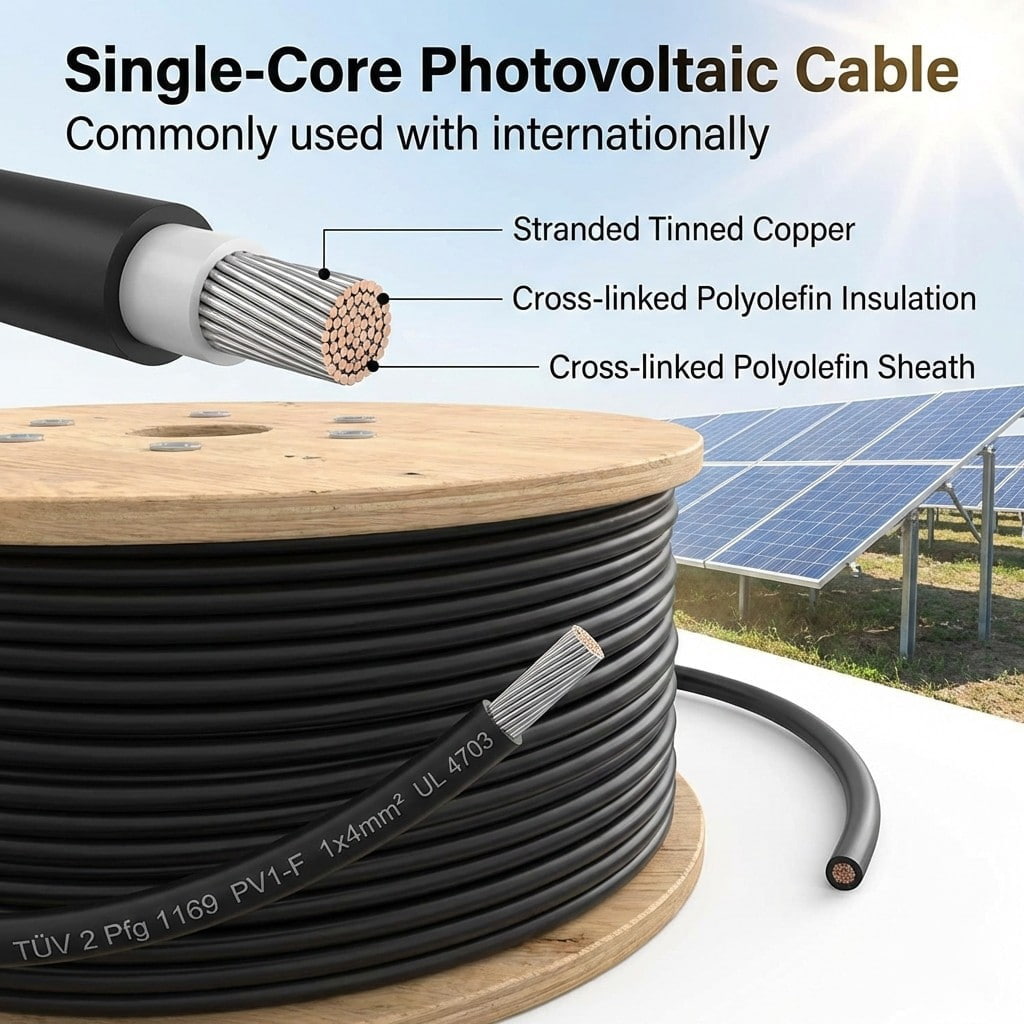
-- Steady & Reliable Manufacturer --
01 Product Overview
Harsh environment cables are designed for installations where standard cable construction would degrade faster than the equipment it serves. These environments combine some of the following conditions: extreme temperatures, exposure to oils, chemicals, or solvents, mechanical abrasion or repeated flexing, UV radiation, moisture and salt, or dust and sand. The cable construction is matched to the dominant degradation mechanism: abrasion resistance comes from the sheath compound, chemical resistance from both insulation and sheath, low-temperature flexibility from the compound formulation, and UV resistance from stabilizers in the sheath. Because harsh environments vary, the first step in selection is identifying which conditions the cable will actually face, rather than specifying a general "heavy-duty" construction. This page describes the construction options available for harsh environment applications and how each is matched to specific conditions.
02 Company Profile
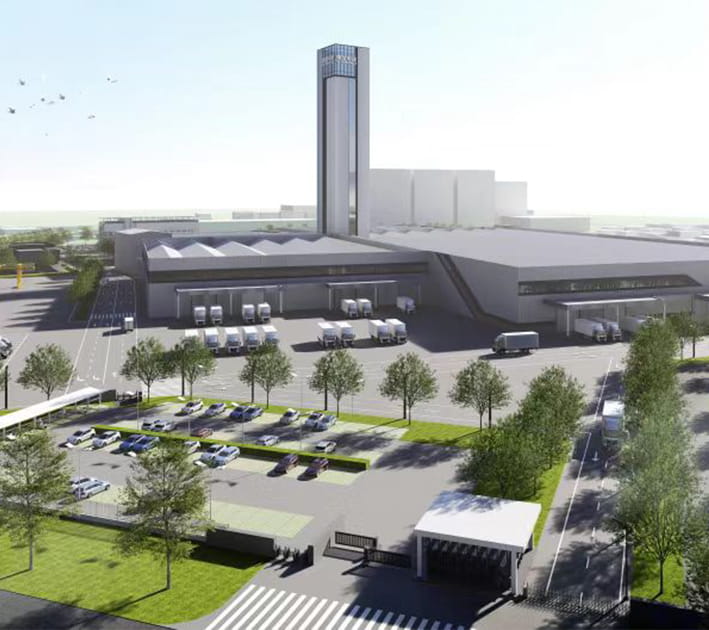
Jiangsu Qucheng Cable Technology Co., Ltd., established in 2018, operates a 40,000-square-meter factory in Yixing, Jiangsu, with production lines for power, control, and specialty cables. Our management systems are certified to ISO9001, ISO14001, and ISO45001, and our product range includes constructions with PUR sheathing, XLPE insulation, and LSZH compounds for demanding installations. Our testing center performs the mechanical, thermal, and fluid resistance tests that harsh environment constructions require, and our 5G-based smart manufacturing system records production parameters and material batches for traceability. We supply harsh environment cables to industrial, mining, marine, and processing facilities in Southeast Asia and the Middle East, with construction selected against the specific conditions of each installation.
03 Application Fields
- Industrial Heavy industrial facilities - Steel mills, foundries, and heavy manufacturing where heat, abrasion, and oils are present.
- Mining Mining and quarrying - Equipment power and control cables subject to abrasion, impact, and dust.
- Marine Marine and offshore - Deck machinery, dockside equipment, and offshore installations exposed to salt and moisture.
- Chemical Chemical and processing plants - Cables exposed to solvents, acids, and process fluids.
- Outdoor Outdoor and exposed installations - Routes exposed to UV, temperature extremes, and weather.
04 Technical Specifications
| Conductor Material | Tinned or plain annealed copper, Class 5 or Class 6 for flexing applications |
| Insulation Material | XLPE, EPR, silicone rubber, or PE depending on temperature and chemical exposure |
| Sheath Material | PUR, CSPE, XLPE, or LSZH compound depending on the dominant exposure |
| Temperature Range | -60°C to +180°C depending on material combination |
| Abrasion Resistance | PUR sheath for high mechanical wear applications |
| Chemical Resistance | Compound selected against the specific fluids and concentrations in service |
| UV Resistance | UV-stabilized sheathing grades for outdoor exposure |
| Armour | SWA, STA, or braided armour for mechanical protection where required |
05 Key Features & Core Characteristics
- Match Construction is selected against the dominant degradation mechanism rather than a general heavy-duty label.
- Abrasion PUR sheathing provides high resistance to mechanical wear in drag, flexing, and high-traffic applications.
- Chemical Insulation and sheath compounds are selected against the specific fluids present in service.
- Temp Material combinations cover temperatures from -60°C to +180°C depending on the selected compounds.
- UV UV-stabilized sheathing maintains surface integrity on exposed outdoor routes.
- Armour Steel wire, tape, or braided armouring provides mechanical protection where impact or rodent damage is a risk.
06 Technical Notes
Harsh environment cable selection starts with identifying the actual conditions: the temperature range including excursions, the specific fluids and their concentrations, the type and severity of mechanical stress, and the UV and moisture exposure. These conditions determine the compound selection, because no single construction performs best across all of them. PUR sheathing, for example, provides high abrasion resistance and good oil resistance but has different chemical resistance from CSPE or XLPE. Low-temperature flexibility depends on compound formulation, so the minimum temperature must be specified, not assumed. Where multiple conditions apply, the construction should be tested against the most severe one, and where the conditions are unusual, immersion testing against the actual fluid is more reliable than general chemical resistance data. Our testing center performs the mechanical and fluid resistance tests these constructions require, and the test plan is agreed against the specific conditions of each installation.
07 Frequently Asked Questions
Furthermore, the company has integrated a 5G-based smart manufacturing system, enabling digital monitoring of the production process and full quality traceability, thereby enhancing efficiency and product consistency. Qucheng Cable is committed to providing safe, reliable, and high-performance cable solutions for global customers.