English
 中文简体



-- Steady & Reliable Manufacturer --
01 Product Overview
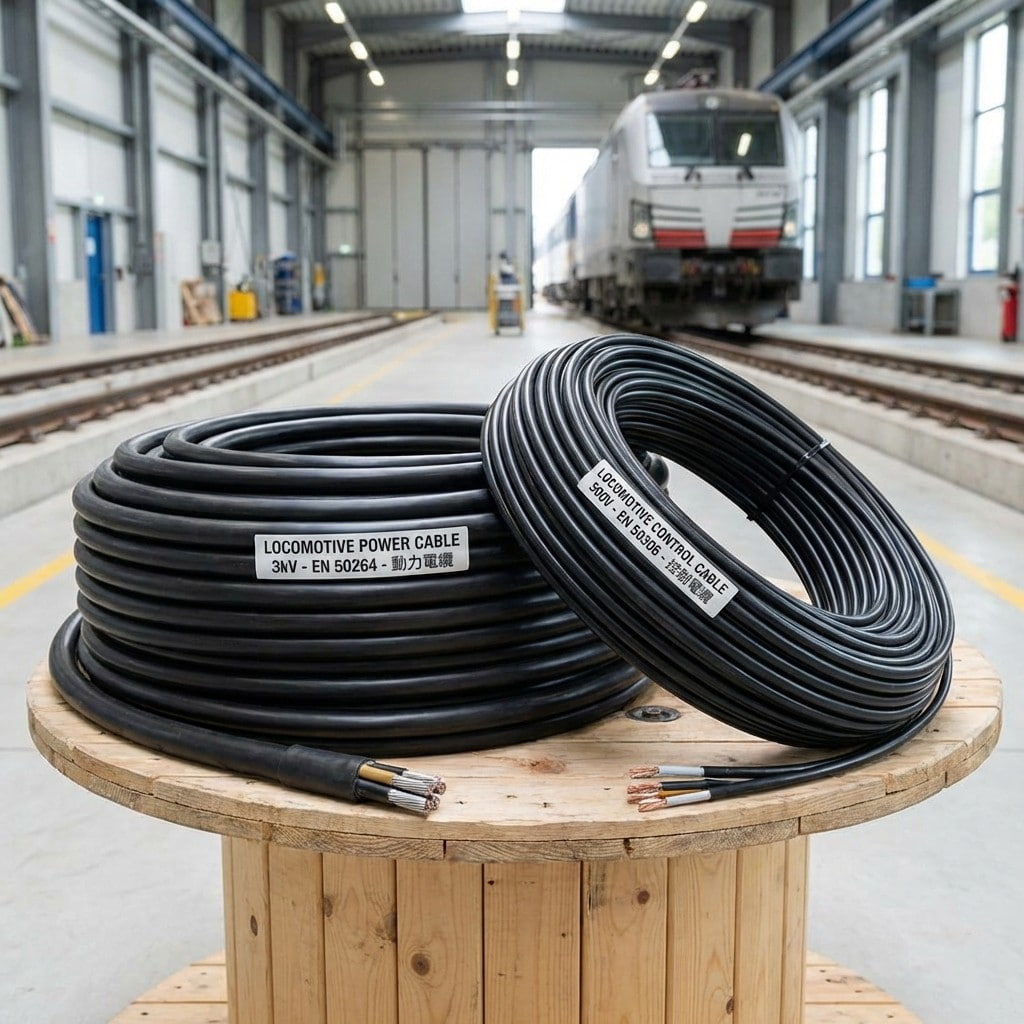
Rolling stock and locomotive cables are installed on trains, locomotives, metro cars, and light rail vehicles, where they are exposed to vibration, mechanical shock, repeated flexing, oils and hydraulic fluids, and wide temperature ranges. Unlike trackside cables, these cables travel with the vehicle, so flexibility and resistance to flex fatigue are central requirements. Constructions use finely stranded copper conductors (Class 5 or Class 6), halogen-free insulation and sheathing for fire safety in enclosed carriages, and where required, screening for circuits near traction converters and motors. Standards for rolling stock cables are defined in the EN 45545 series for fire performance and in vehicle-specific standards such as EN 50264 and EN 50306, which classify cables by duty (power, control, and communication) and by fire performance level. Our rolling stock cables are manufactured with LSZH compounds and finely stranded conductors, and are supplied with test documentation matched to the vehicle project specification.
02 Company Profile
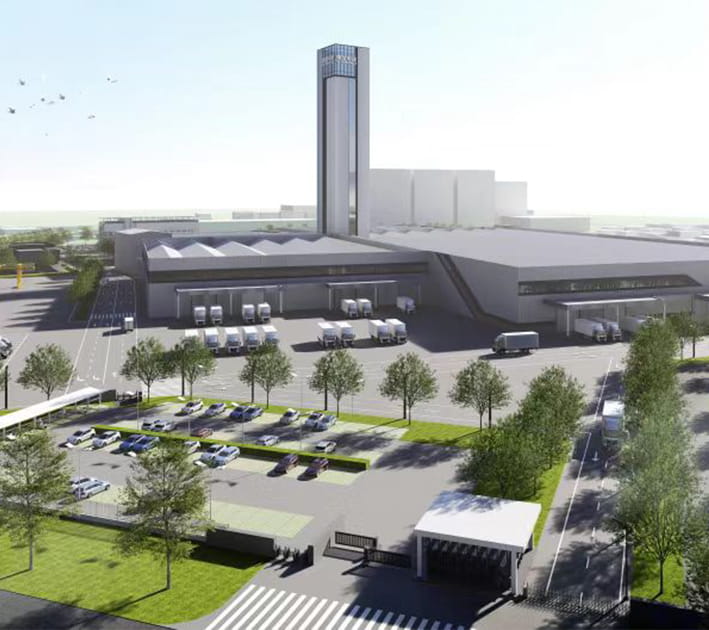
Jiangsu Qucheng Cable Technology Co., Ltd., established in 2018, operates a 40,000-square-meter factory in Yixing, Jiangsu, with production lines for flexible and specialty cables. Our testing center performs conductor resistance, insulation resistance, voltage withstand, and mechanical tests, and our 5G-based smart manufacturing system records production parameters and material batches for traceability. We hold ISO9001, ISO14001, and ISO45001 certifications, along with CB and TÜV product qualifications. Our rolling stock and locomotive cables are supplied to transit vehicle projects and rolling stock maintenance programs in Southeast Asia and the Middle East, with documentation prepared against the vehicle specification.
03 Application Fields
- Power Vehicle power distribution - Traction auxiliary power, lighting, and HVAC supply circuits within the car body.
- Control Train control circuits - Door control, braking control, and onboard signaling interfaces.
- Comms Passenger information systems - Public address, display, CCTV, and passenger communication circuits.
- Bogie Bogie and underfloor equipment - Cables routed to axle sensors, brake equipment, and traction motors.
- Coupler Inter-vehicle connections - Jumper cables between cars requiring high flex life and mechanical protection.
04 Technical Specifications
| Rated Voltage | 300/500V, 450/750V, 0.6/1 kV |
| Conductor Material | Tinned or plain annealed copper, Class 5 or Class 6 per IEC 60228 |
| Conductor Size | 0.5 mm² to 240 mm² |
| Insulation Material | Halogen-free cross-linked compound (XLPO) or XLPE |
| Sheath Material | Halogen-free cross-linked compound; oil-resistant grades available |
| Screen | Copper braid for control and communication circuits near traction equipment |
| Temperature Range | -40°C to +120°C (XLPO); up to +150°C on request |
| Fire Performance | EN 45545-2 R15/R16 classifications; IEC 60332-1-2 |
| Oil Resistance | EN 60811-404 or project-specified fluid resistance |
| Flex Life | Designed for repeated flexing in jumper and bogie applications |
| Standards | EN 50264, EN 50306, EN 45545-2, project specification |
05 Key Features & Core Characteristics
- Flex Finely stranded Class 5 or Class 6 conductors extend flex life in jumper cables, door mechanisms, and bogie routes.
- Fire Halogen-free insulation and sheathing support EN 45545-2 fire performance classifications for enclosed carriages.
- Oil Oil-resistant sheath grades withstand hydraulic fluids, lubricants, and cleaning agents used in vehicle maintenance.
- Temp Cross-linked compounds maintain properties from -40°C up to +120°C, covering underfloor and engine-adjacent routes.
- Screen Copper braid screening on control and communication circuits reduces interference from traction converters and motors.
- Trace Production records and batch marking support vehicle acceptance documentation and maintenance traceability.
06 Technical Notes
Rolling stock cable selection starts from the route and duty of each circuit. Cables in fixed routes inside the car body have different requirements from cables in jumper connections between cars, door mechanisms, or bogie areas, where repeated flexing and mechanical movement dominate. For these dynamic routes, Class 6 conductors and cross-linked halogen-free compounds are typically specified, and the flex life is verified by flexing tests defined in the vehicle specification. Fire performance is classified under EN 45545-2 by hazard level (R15 to R23 depending on the vehicle category and location), and the cable compound and construction must be selected to meet the required level. Oil and fluid resistance is verified against the fluids actually present in service, since different hydraulic fluids and cleaning agents attack different compounds. Screening requirements follow the EMC design of the vehicle. We review the vehicle cable schedule item by item, confirm the fire class, temperature, and flex requirements for each type, and prepare the documentation package against the project specification before shipment.
07 Frequently Asked Questions
Furthermore, the company has integrated a 5G-based smart manufacturing system, enabling digital monitoring of the production process and full quality traceability, thereby enhancing efficiency and product consistency. Qucheng Cable is committed to providing safe, reliable, and high-performance cable solutions for global customers.