English
  中文简体
中文简体 


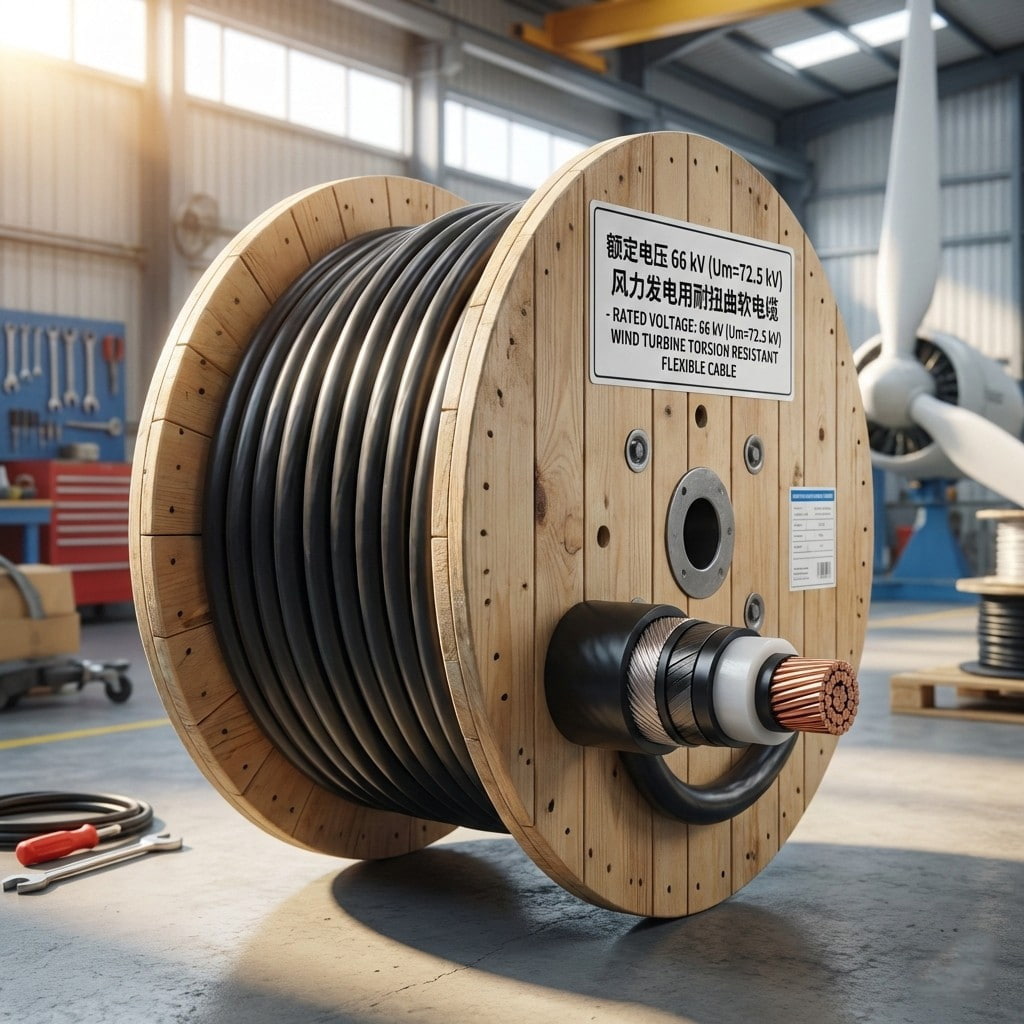
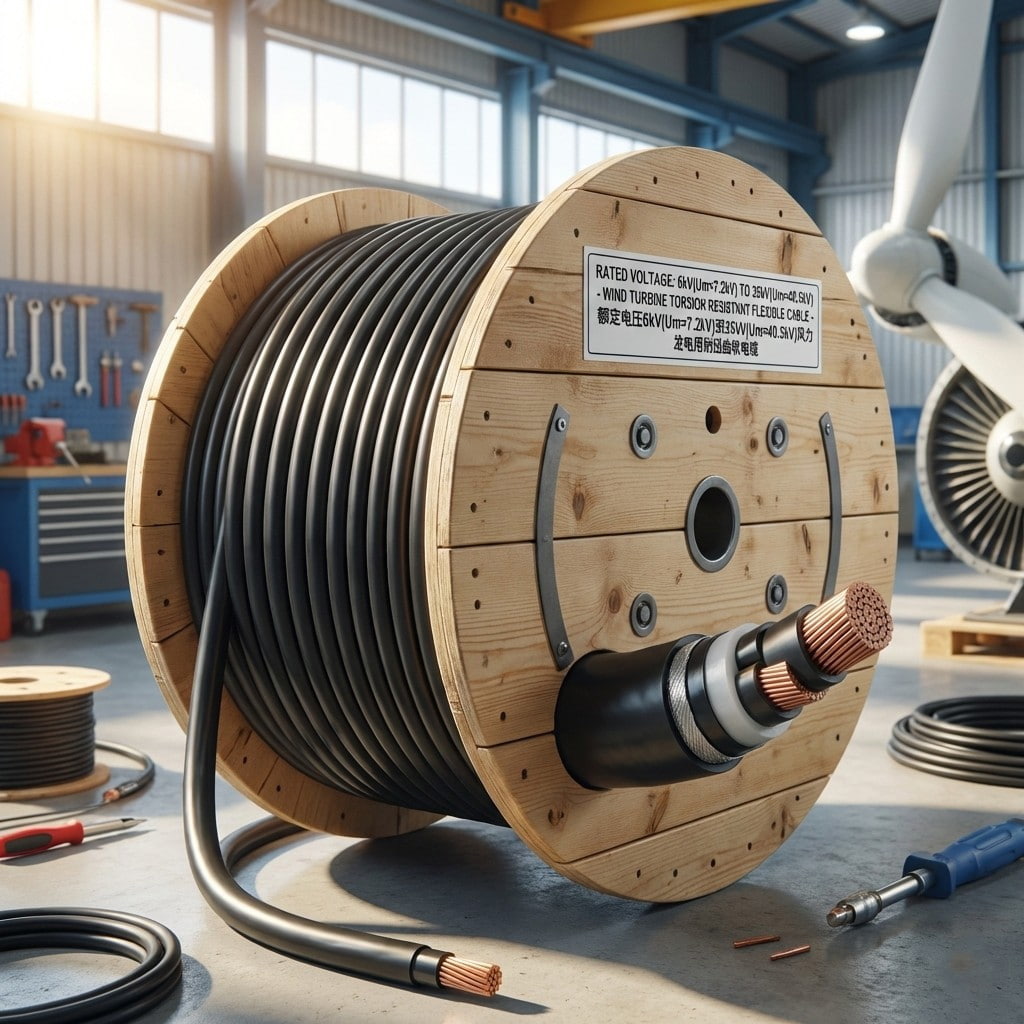
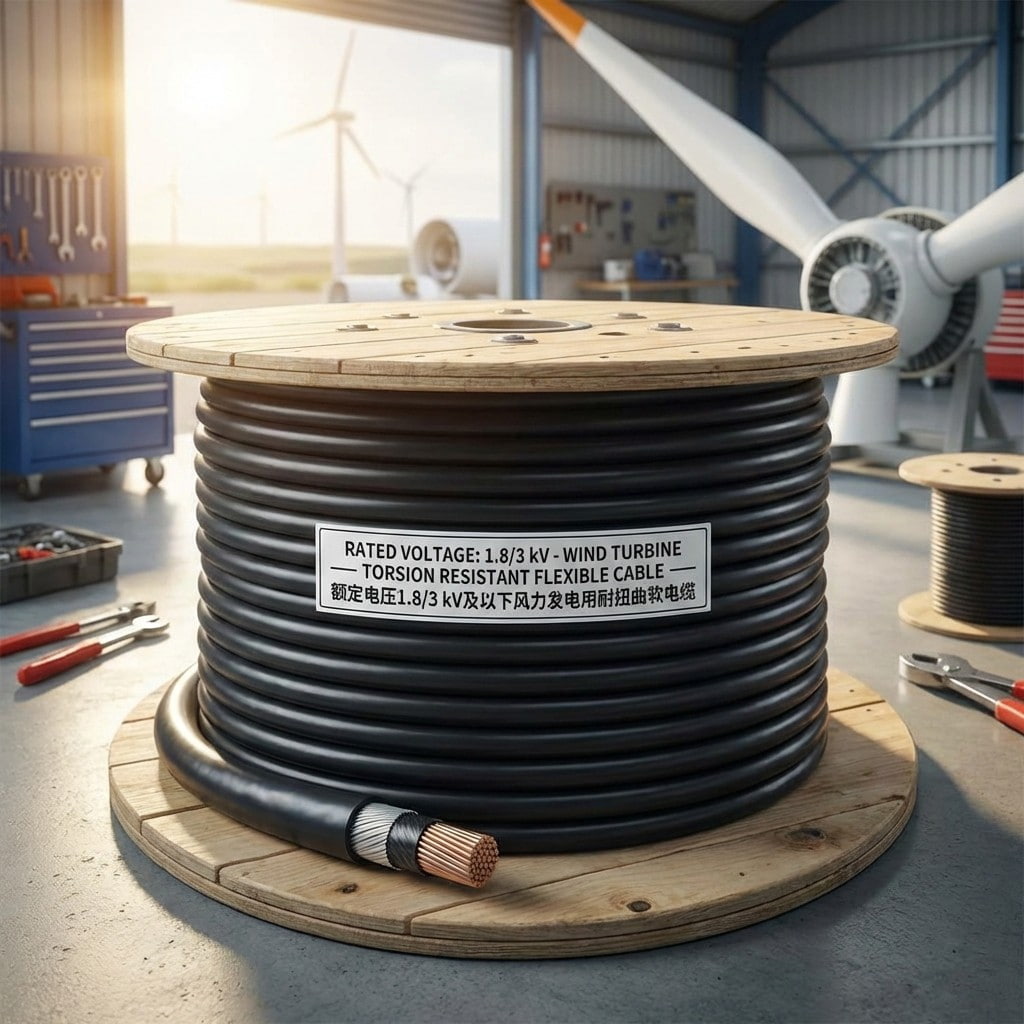
Why Are Wind Power Cables Critical Components in Wind Power Systems?
As the global energy mix rapidly shifts toward a low-carbon future, wind power is emerging as a clean energy source with immense potential for large-scale development. Yet, beyond the turbines, towers, and blades, there lies a vital—though often overlooked—core component: wind power cables. These cables do more than just transmit electricity; they directly influence the safety, stability, and service life of the entire wind power system.
What Role Do Wind Power Cables Play in the System?
Wind power systems operate in demanding environments characterized by high altitudes, intense UV radiation, salt spray corrosion, and constant mechanical vibration—all of which place rigorous demands on the equipment. Within this system, wind power cables serve the dual purpose of interconnecting critical electrical units inside the turbine and transmitting generated power to the grid.
Unlike standard power cables, wind power cables must maintain stable operation while subjected to continuous torsion, bending, and extreme temperature fluctuations. Insulation degradation or conductor damage can not only impair power generation efficiency but also lead to system shutdowns or even safety accidents.
Consequently, wind power cables are far more than mere conductors; they are a crucial lifeline ensuring the long-term, stable operation of the wind power system.
Why Are the Requirements for Materials and Structure So Strict?
Wind turbine structures—particularly within the nacelle—are complex, requiring cables to rotate continuously alongside the turbine's yaw system. This necessitates exceptional torsional resistance and flexibility, alongside long-term electrical stability.
Wind power projects are frequently located offshore or in desert regions where environmental corrosivity is high; thus, the cable's outer sheath must offer resistance to UV radiation, oil, and salt spray. Meanwhile, the insulation material must maintain low dielectric loss and high dielectric strength under high-voltage conditions.
For these reasons, high-performance wind power cables often feature multi-layer composite designs to withstand the challenges posed by complex, long-term operating conditions.
How Does Smart Manufacturing Enhance Cable Quality and Consistency?
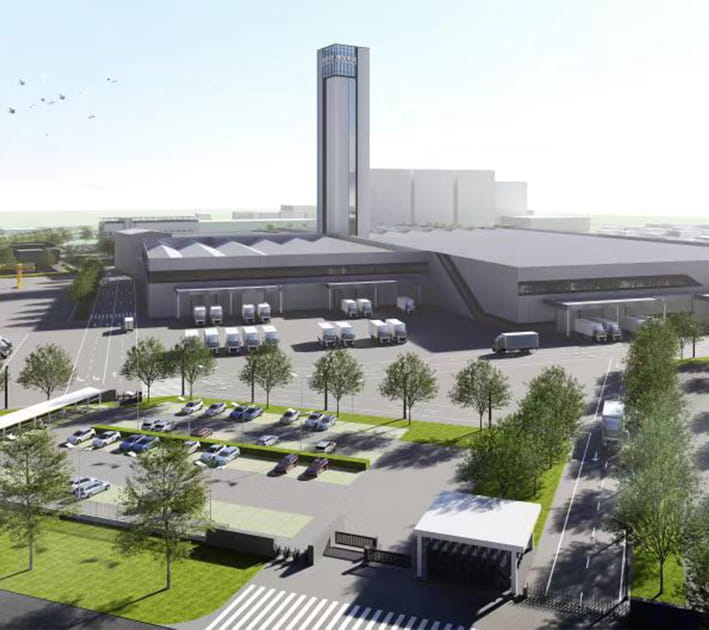
In the realm of high-end energy equipment manufacturing, quality consistency is often more critical than any single performance metric. Jiangsu Qucheng Cable Technology Co., Ltd., located in Yixing, Jiangsu—a major hub for cable manufacturing in China—operates a 40,000-square-meter modern facility equipped with state-of-the-art production lines and a comprehensive testing center.
Through 5G-enabled smart manufacturing systems, the entire production process is digitally monitored. Every stage—from conductor drawing and insulation extrusion to final product inspection—is traceable, effectively minimizing human error and enhancing product consistency.
This digital approach to quality management ensures that wind power cables maintain stable performance during volume deliveries, making them particularly well-suited for large-scale wind farm projects.
Trends in Wind Power Cable Applications within New Energy Systems
As wind power technology shifts toward higher capacities and deep-sea installations, cable technology is evolving in tandem. Key industry trends include higher voltage ratings, lightweight structural designs, and superior fatigue resistance.
Furthermore, the integration of wind power with photovoltaic (PV) and energy storage systems places greater demands on cables, requiring them to be adaptable to diverse operational scenarios. In this context, cable manufacturers must provide not only products but also comprehensive system-level solutions.
The product portfolio of Jiangsu Qucheng Cable Technology Co., Ltd. encompasses power cables, new energy cables, and electrical equipment cables. Widely used in wind and solar projects and exported to regions such as Southeast Asia and the Middle East, the company has accumulated extensive, reliable engineering experience across diverse applications.
How Do Wind Power Cables Ensure Long-Term Operational Safety?
Wind power projects typically have a design life exceeding 20 years; therefore, cables must demonstrate exceptional long-term durability. Material aging, mechanical fatigue, and environmental degradation are the primary risks.
High-quality wind power cables validate their performance through rigorous testing and multiple international certifications—such as ISO 9001 (Quality Management), ISO 14001 (Environmental Management), and ISO 45001 (Occupational Health and Safety)—while also meeting industry-specific standards like CB and TÜV.
Systematic testing and continuous process optimization enable cables to maintain stable electrical and mechanical performance over the long term, thereby reducing operation and maintenance costs and improving the overall economic viability of wind farms.
FAQ
Q1: What distinguishes wind power cables from standard power cables?
A1: Wind power cables must withstand continuous torsion, intense vibration, and complex climatic conditions, necessitating superior flexibility, weather resistance, and fatigue resistance.
Q2: What are the primary application scenarios for wind power cables?
A2: They are primarily used for internal connections within wind turbine generator units, tower cabling, and wind farm collection systems.
Q3: What is the typical service life of wind power cables?
A3: Under standard operating conditions, the design life is usually over 20 years, though the actual lifespan depends on environmental and operational conditions.
Q4: How does the company ensure consistent quality for wind power cables?
A4: Quality is ensured through ISO system certification, rigorous testing procedures, and intelligent manufacturing systems that facilitate end-to-end quality control.