English
 中文简体



-- Steady & Reliable Manufacturer --
01 Product Overview
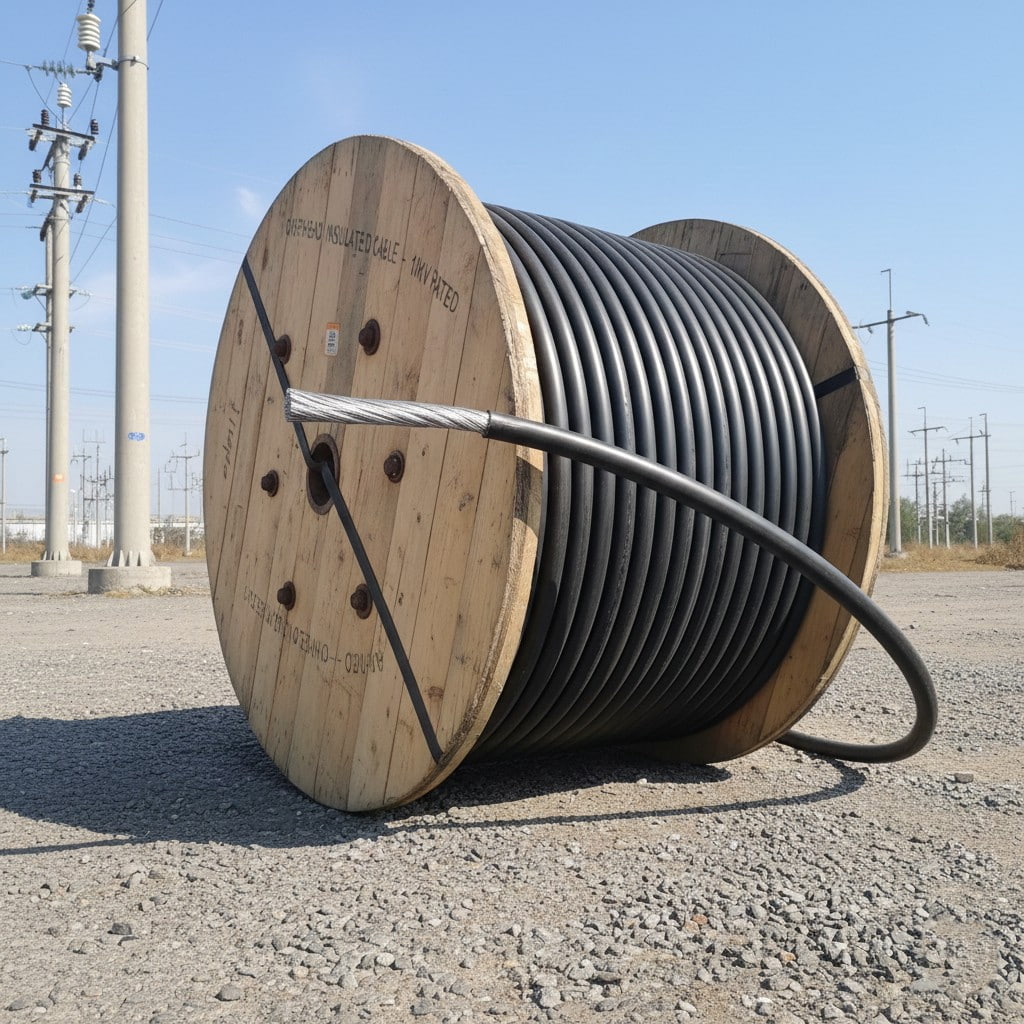
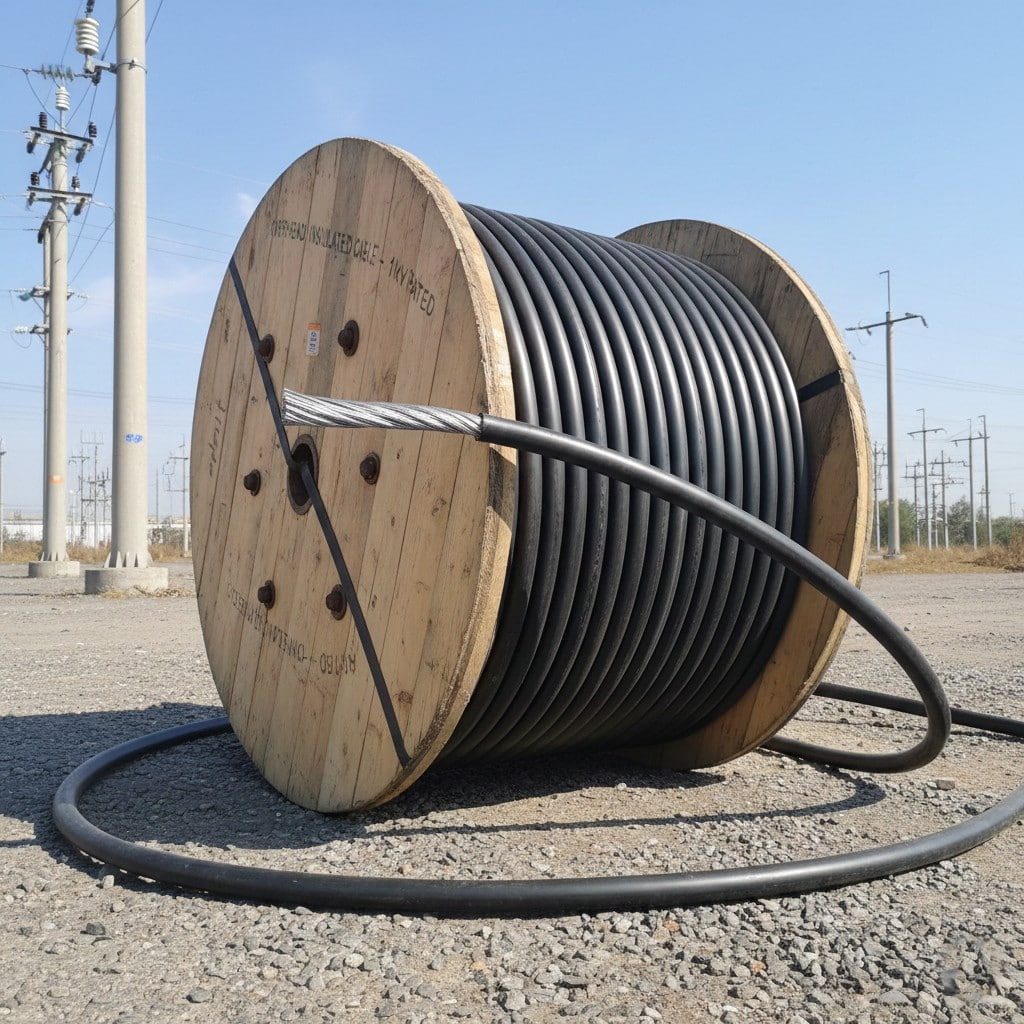
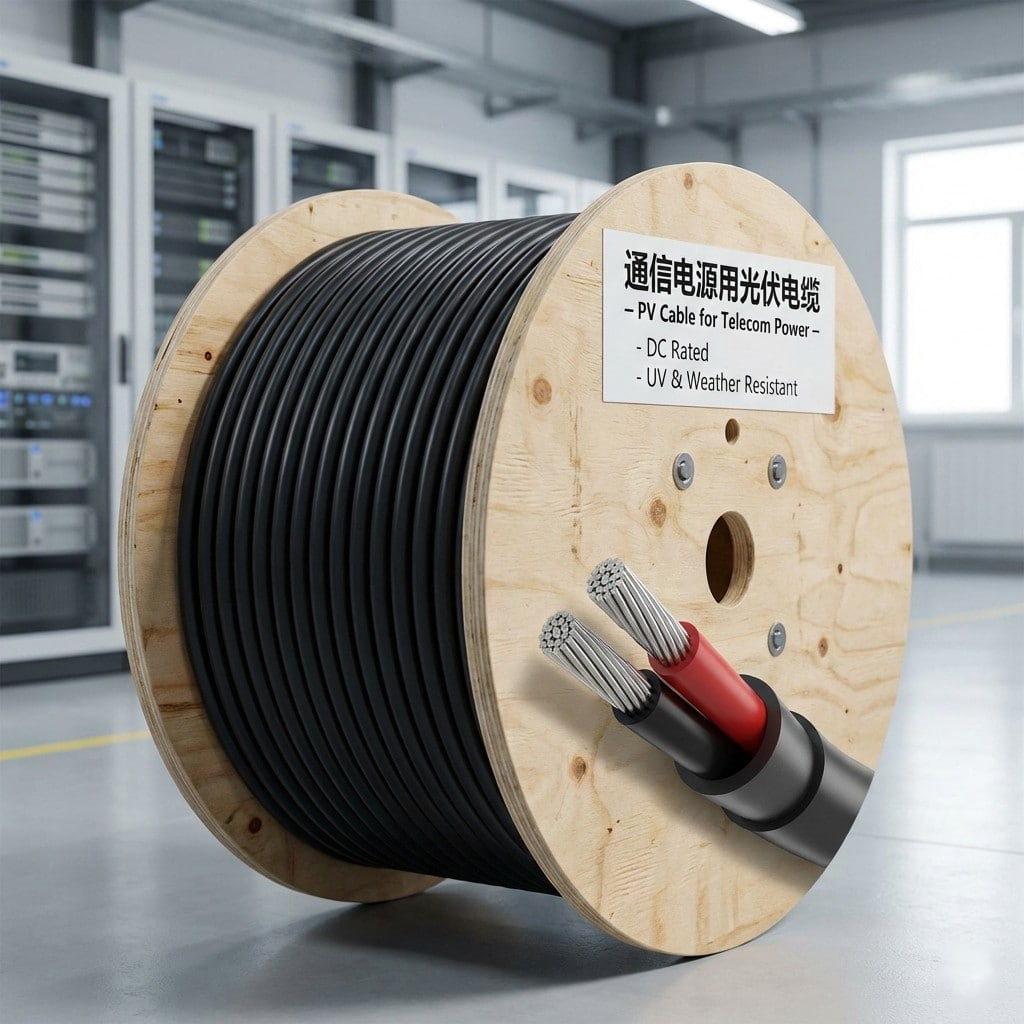
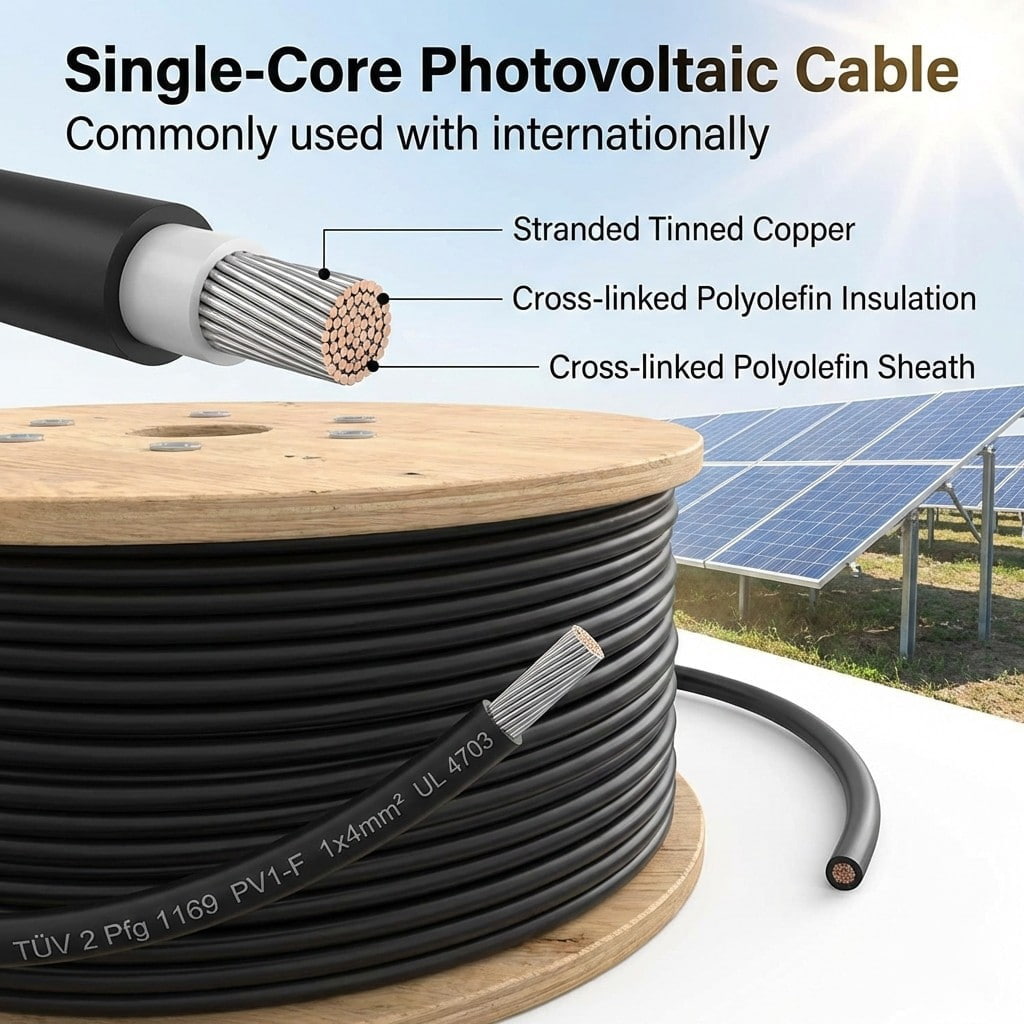
Energy storage system (ESS) interconnection cables connect battery racks, battery management systems, power conversion systems (PCS), and the grid interface in stationary storage installations. These circuits carry DC current at voltages commonly between 600 V and 1,500 V DC, with high continuous currents and frequent charge-discharge cycling. The cable must handle the thermal load of continuous operation, tolerate the ripple current from power electronics, and maintain insulation integrity under DC stress, which differs from AC stress in ways that affect insulation design and testing. Constructions typically use flexible stranded copper conductors for routing in racks and cabinets, XLPE or LSZH insulation, and halogen-free sheathing for indoor installations. Where cables run between containers or outdoor cabinets, UV-resistant and moisture-resistant sheathing is required. Our ESS cables are manufactured with DC-rated insulation and tested for insulation resistance and voltage withstand at DC voltages applicable to the system design.
02 Company Profile
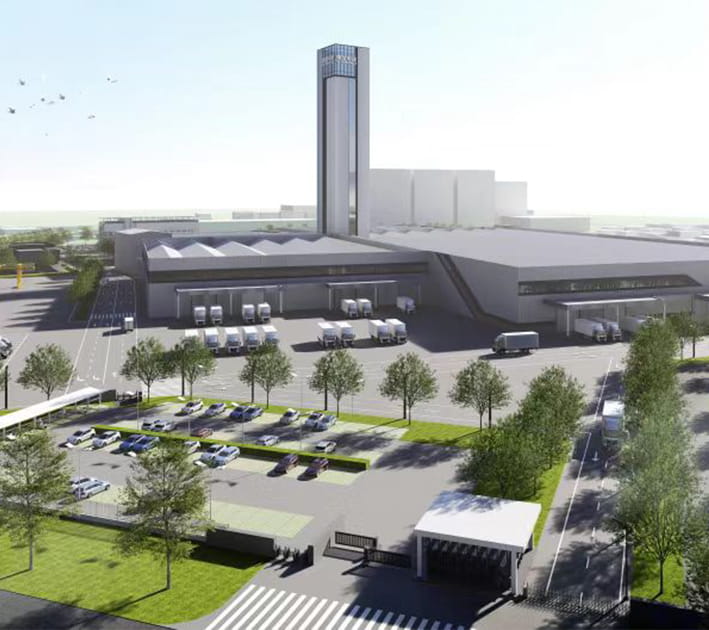
Jiangsu Qucheng Cable Technology Co., Ltd., established in 2018, operates a 40,000-square-meter factory in Yixing, Jiangsu, with production lines for new energy cables including energy storage interconnections. Our testing center performs insulation resistance, DC voltage withstand, conductor resistance, and thermal tests, and our 5G-based smart manufacturing system records extrusion parameters and material batches for each production run. We hold ISO9001, ISO14001, and ISO45001 certifications, along with CB and TÜV product qualifications. Our ESS interconnection cables are supplied to storage projects and renewable energy installations in Southeast Asia and the Middle East, with construction and test documentation matched to the project specification.
03 Application Fields
- Rack Battery rack interconnection - Series and parallel connections between battery modules and racks inside cabinets and containers.
- PCS Power conversion system connection - DC links between battery banks and inverters or bidirectional converters.
- Grid Grid interface - AC connections from the PCS to transformers and switchgear in storage plants.
- Hybrid Solar-plus-storage projects - DC circuits linking PV arrays, storage, and conversion equipment in hybrid plants.
- Container Containerized storage - Inter-cabinet and inter-container DC routes exposed to outdoor conditions.
04 Technical Specifications
| Rated Voltage DC | 0.6/1 kV DC, 1.5 kV DC, 1.8 kV DC |
| Rated Voltage AC | 0.6/1 kV AC |
| Conductor Material | Tinned or plain annealed copper, Class 5 flexible per IEC 60228 |
| Conductor Size | 6 mm² to 240 mm² |
| Insulation Material | XLPE or LSZH polyolefin compound |
| Sheath Material | LSZH compound; UV-stabilized grade for outdoor routes |
| Screening | Copper braid or tape available for EMC-sensitive DC links |
| Operating Temperature | -40°C to +90°C (XLPE); up to +120°C short circuit |
| Halogen Content | pH ≥ 4.3, conductivity ≤ 10 µS/mm per IEC 60754-2 |
| Flame Retardance | IEC 60332-1-2 (single cable); IEC 60332-3-24 (bunched) |
| Standards | IEC 60502-1, IEC 62930 (where applicable), EN 50618 (PV-linked circuits) |
05 Key Features & Core Characteristics
- DC Insulation is rated and tested for DC voltage stress, which differs from AC stress in the dielectric and requires DC withstand verification.
- Cycle Construction accommodates the thermal cycling of charge-discharge operation without loss of insulation properties.
- Flex Class 5 stranded conductors allow routing in rack channels, cabinet interiors, and tight container spaces.
- Halogen LSZH sheathing limits smoke and halogen release in enclosed battery rooms and containers.
- Outdoor UV-stabilized sheath grades support inter-container routes and outdoor cabinet connections.
- EMC Screened constructions are available for DC links where power electronics create interference affecting control or measurement circuits.
06 Technical Notes
DC cable insulation experiences a different stress distribution than AC cable insulation. Under DC voltage, the field distribution depends on insulation resistivity rather than permittivity, and space charge can accumulate in the insulation under sustained DC stress, particularly with temperature gradients across the insulation wall. This is why DC-rated cables are tested with DC voltage withstand rather than only AC, and why insulation compound selection for DC links should be confirmed against the system voltage and expected duty cycle. ESS circuits also carry ripple current from power electronics, which adds a high-frequency component to the thermal load. Cable sizing should account for the continuous current, the ripple component, and the ambient temperature inside containers or cabinets, which is often higher than outdoor ambient. Where cables run between containers, movement joints and UV exposure should be considered in the routing design. Our production records include insulation resistance and DC withstand test results for each production run, which can be included in the delivery documentation.
07 Frequently Asked Questions
Furthermore, the company has integrated a 5G-based smart manufacturing system, enabling digital monitoring of the production process and full quality traceability, thereby enhancing efficiency and product consistency. Qucheng Cable is committed to providing safe, reliable, and high-performance cable solutions for global customers.