English
  中文简体
中文简体 


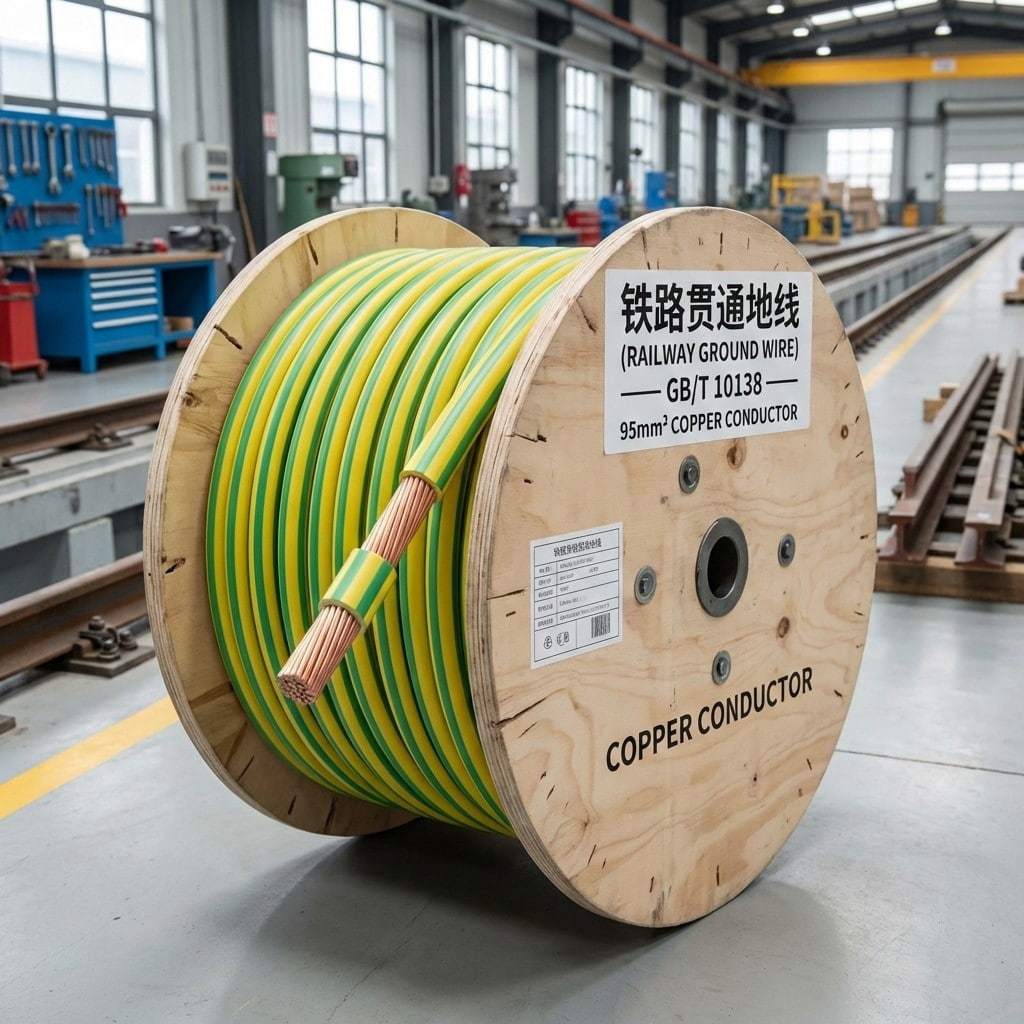
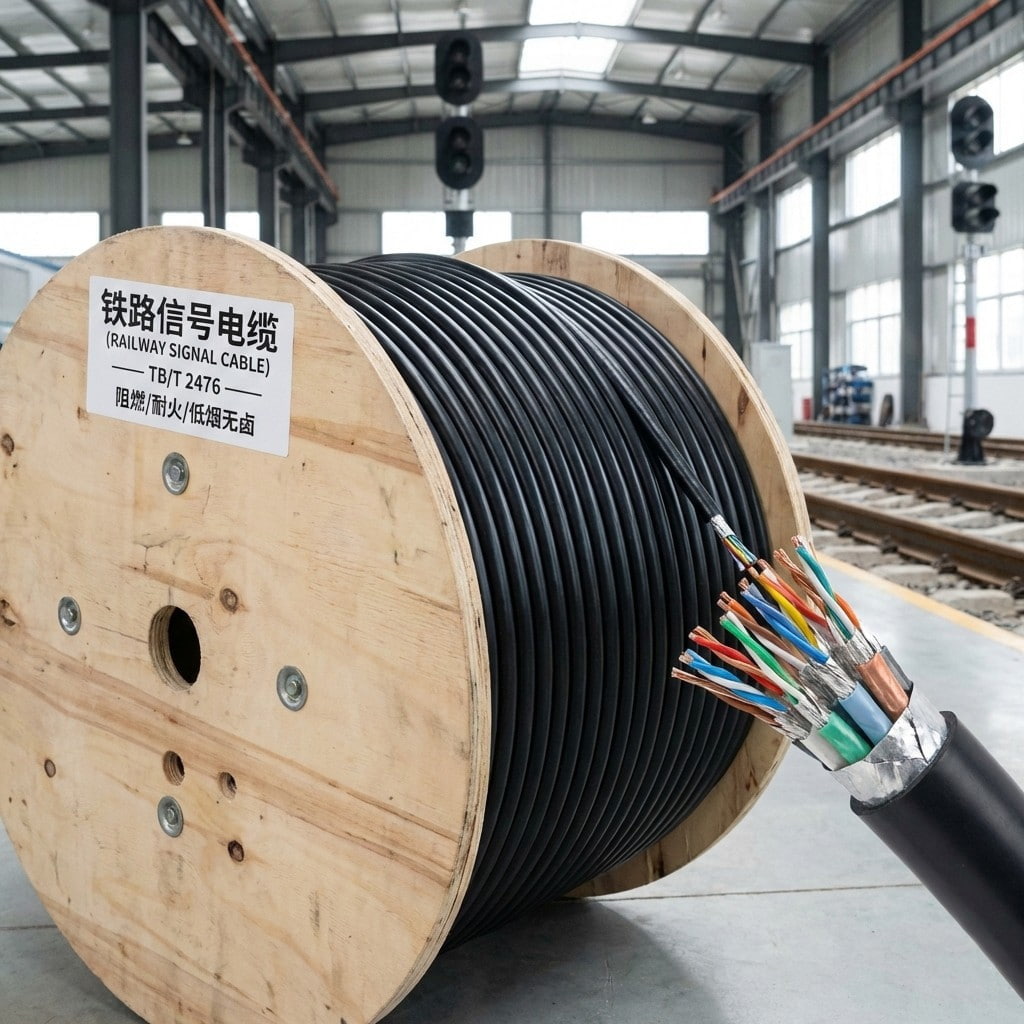
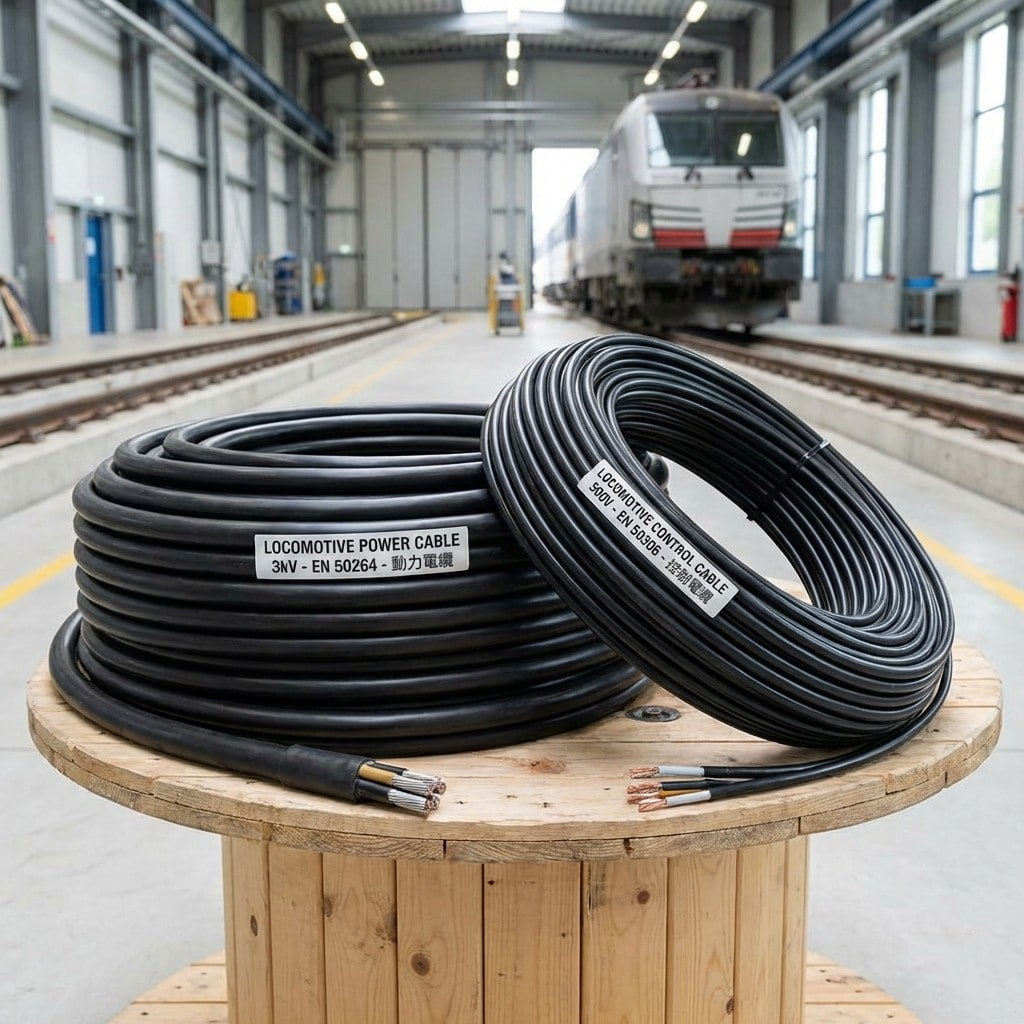
What pivotal role do railway signaling cables play in modern rail transit?
As high-speed rail, intercity rail, and urban metro networks continue to expand, the safety and operational efficiency of rail transit systems increasingly rely on a crucial yet often overlooked fundamental component: the railway signaling cable. These cables serve not merely as conduits for signal transmission but as the “invisible bridges” enabling train dispatching, safety control, and system-wide coordination.
I. The Neural Network of Signaling Systems: Why Cables Matter
In a rail transit system, the signaling control system acts as the “brain” of the entire operational network, while railway signaling cables form the neural network that transmits information. From track occupancy detection and train operation commands to switch control and emergency braking feedback, every link depends on stable, low-interference signal transmission.
Issues such as signal attenuation or electromagnetic interference can lead to data misinterpretation or system latency. Consequently, these cables require not only high-purity, stable conductors but also structural designs offering superior shielding and anti-interference capabilities to ensure precise signal transmission in complex environments.
II. Rigorous Reliability Challenges in Complex Operating Environments
Railway systems are constantly exposed to variable conditions, including extreme temperatures, humidity, vibration, and areas with complex electromagnetic environments. Particularly in tunnels, on bridges, and within high-density urban rail networks, cables must withstand both mechanical stress and environmental degradation.
Railway signaling cables typically feature a multi-layer design—combining flame-retardant sheathing, weather-resistant materials, and shielding layers—to enhance overall stability. Furthermore, they must meet requirements for long-term, low-maintenance operation to minimize the rail system's operating costs and safety risks.
In this field, material selection and the consistency of manufacturing processes are the decisive factors determining the cable's service life.
III. How Manufacturing Processes Define Safety Standards
Manufacturing high-quality railway signaling cables is not merely a matter of combining materials; it is a complex system engineering process. Factors such as conductor drawing precision, insulation uniformity, shielding structural integrity, and the stability of the cabling process directly impact final performance.
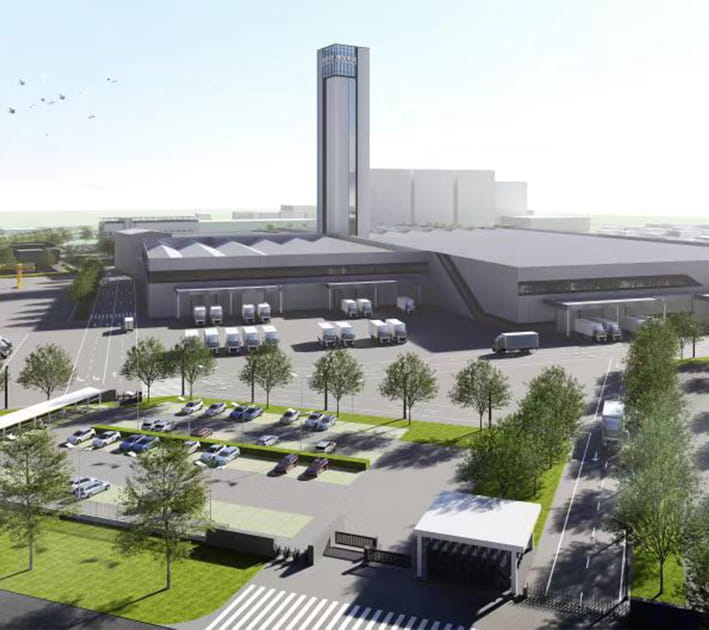
Jiangsu Qucheng Cable Technology Co., Ltd. has established a mature production system in this field. Established in 2018 and located in Yixing, Jiangsu—a major hub for cable manufacturing in China—the company operates a 40,000-square-meter modern factory and a comprehensive testing center. It implements end-to-end quality control, spanning everything from raw material inspection to finished product verification.
The company holds ISO9001, ISO14001, and ISO45001 system certifications, as well as industry qualifications such as CB and TÜV, ensuring its products meet the standards of various countries and regions. These systems guarantee that every meter of railway signaling cable undergoes rigorous verification before leaving the factory.
IV. Smart Manufacturing Drives Upgrades in Railway Cables
As rail transit evolves toward digitalization and intelligence, cable manufacturing is undergoing profound changes. Qucheng Cable has introduced a 5G-based smart manufacturing system that enables real-time production monitoring and data traceability, significantly enhancing product consistency and production efficiency.
Digital control allows the company to precisely manage every step of the process, thereby reducing human error and improving batch-to-batch stability. This smart manufacturing capability makes the company's railway signaling cables highly competitive for demanding, high-standard rail projects.
Currently, the company's products are widely used in power grids, new energy projects, and industrial systems. They are also exported to regions such as Southeast Asia and the Middle East, providing reliable support for global rail transit infrastructure.
FAQ
Q1: What distinguishes railway signaling cables from standard cables?
They require superior shielding performance, interference resistance, and structural safety, as they are primarily used for signal transmission rather than simple power supply.
Q2: Why is the reliability of signal cables so critical in rail transit?
Because signaling systems are directly linked to train operational safety, any transmission error could disrupt dispatching or even pose safety risks.
Q3: What factors primarily determine the service life of the cables?
Material quality, structural design, and the stability of the manufacturing process are the key factors influencing service life.
Q4: What are Qucheng Cable's key strengths?
The company boasts a modern factory, international certification systems, and 5G smart manufacturing capabilities, enabling it to provide highly consistent and reliable cable solutions.