English
 中文简体



-- Steady & Reliable Manufacturer --
01 Product Overview
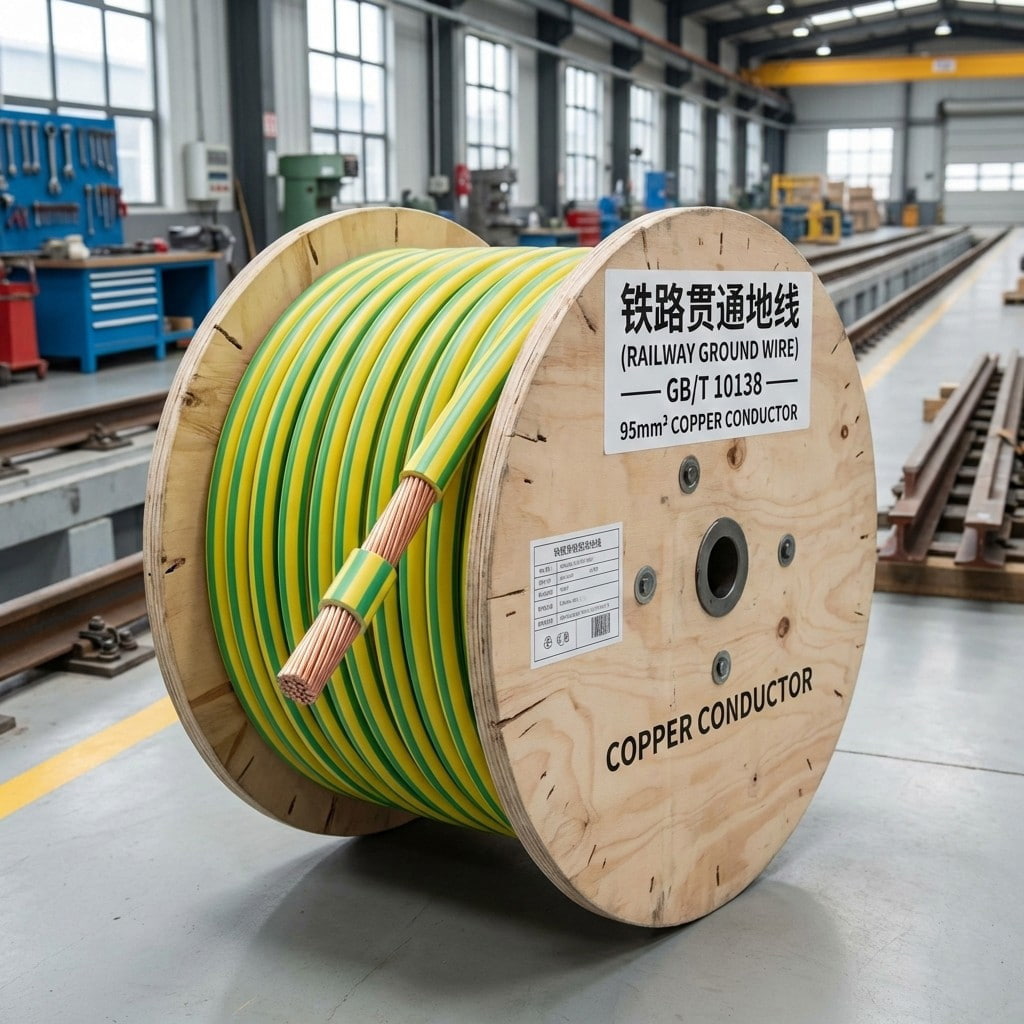
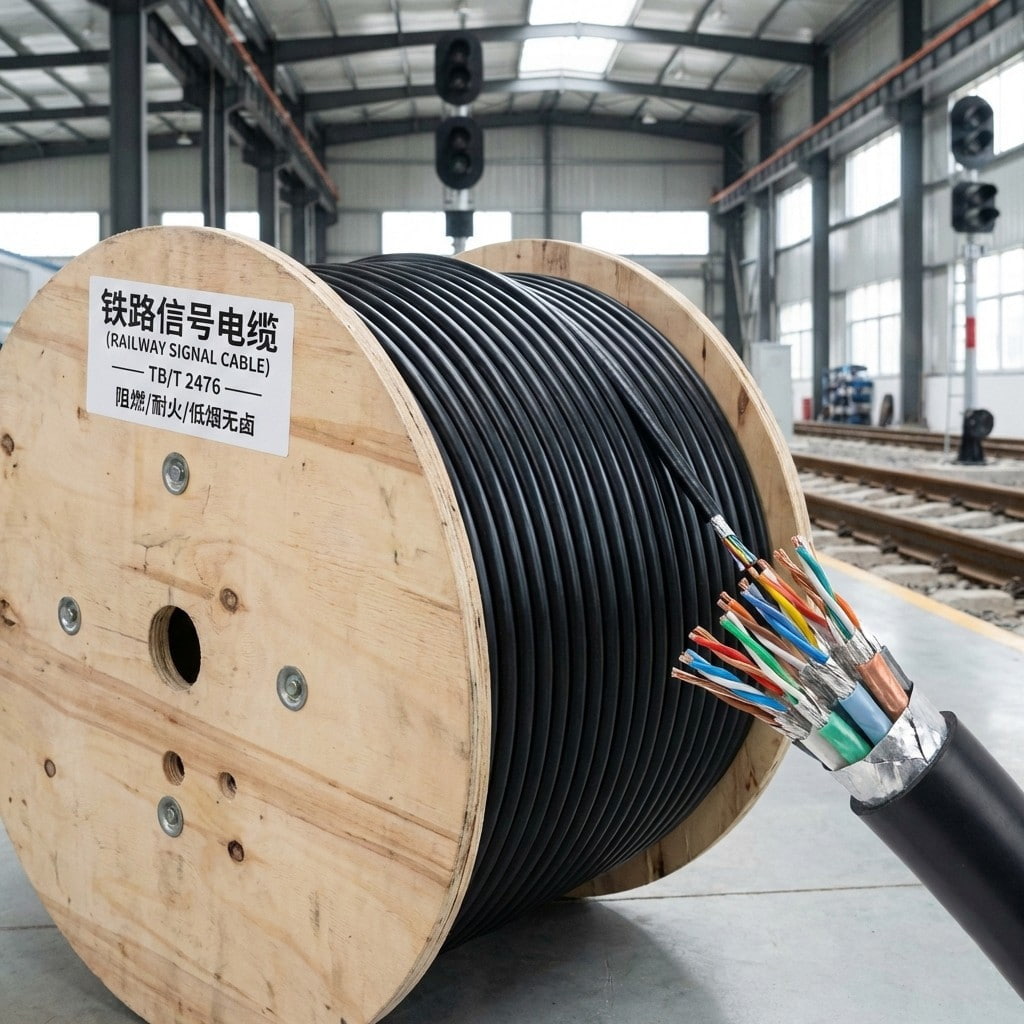
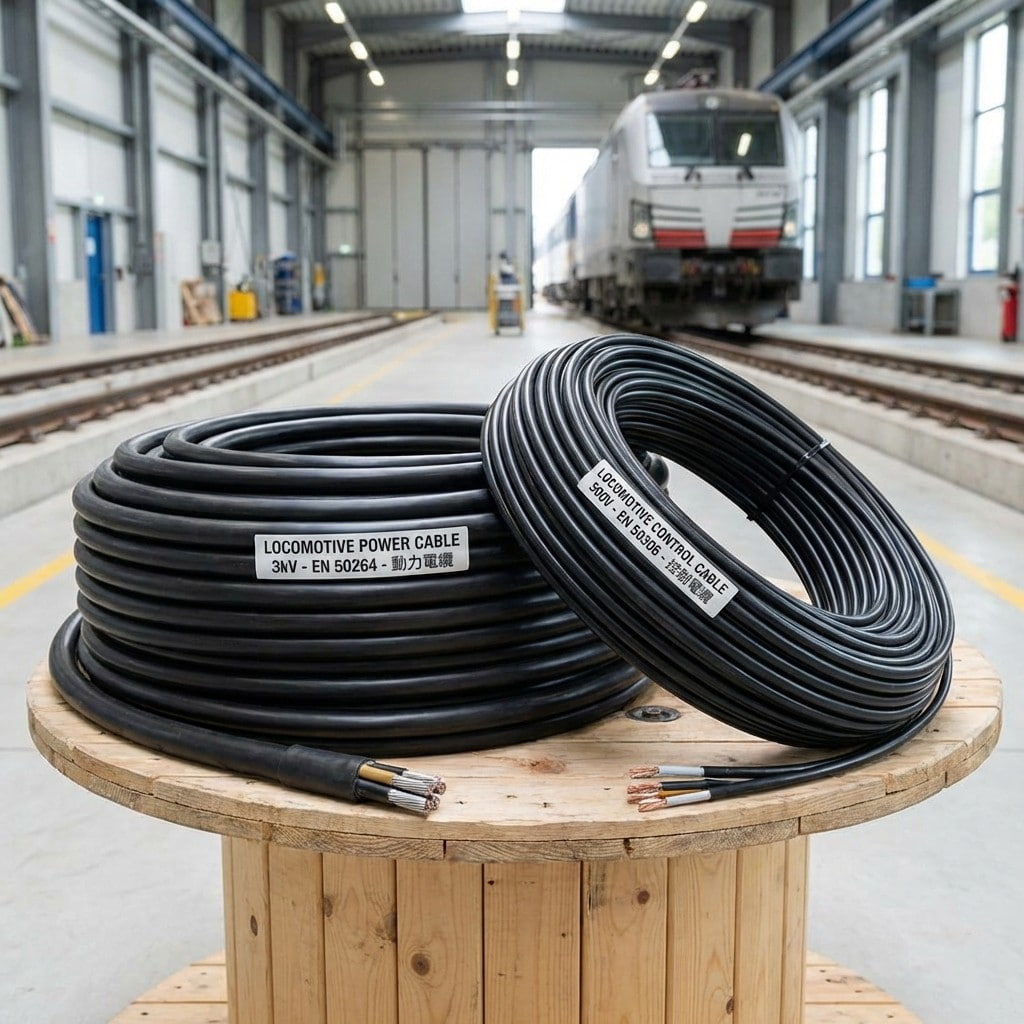
Subway and transit cable solutions cover the power, control, signaling, and communication cables required in underground and surface rail transit systems. These installations present specific challenges: confined tunnels with limited ventilation, high passenger density, continuous vibration from rolling stock, and strict fire safety regulations. Cables for subway projects are typically low smoke zero halogen (LSZH), flame retardant to IEC 60332-3-24, and in certain circuits fire resistant to IEC 60331 to maintain circuit integrity for emergency lighting, ventilation, and evacuation systems. Construction options include XLPE or LSZH insulation, copper tape or braid screens for electromagnetic compatibility with signaling equipment, and steel wire or tape armouring where mechanical protection is required. Our transit cables are manufactured to project specifications referencing IEC, BS, and EN standards, and are supplied with test documentation suitable for rail infrastructure acceptance.
02 Company Profile
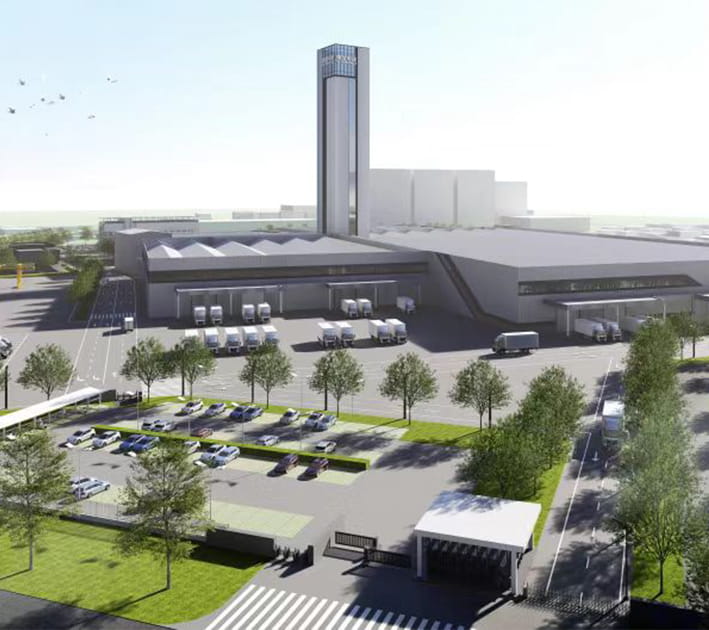
Jiangsu Qucheng Cable Technology Co., Ltd., established in 2018, operates a 40,000-square-meter factory in Yixing, Jiangsu, with production lines for power, control, and specialty cables. Our testing center supports flame spread, smoke density, halogen content, and electrical testing, allowing verification of the performance characteristics required for transit projects. We hold ISO9001, ISO14001, and ISO45001 management system certifications, along with CB and TÜV product qualifications. Our 5G-based smart manufacturing system records production parameters and supports full quality traceability from raw material to finished cable. We supply transit and infrastructure projects in Southeast Asia and the Middle East, working from project specifications and bill of materials documentation.
03 Application Fields
- Tunnel Subway tunnel power distribution - Feeder and distribution cables for traction power substations, ventilation fans, and pumping equipment.
- Station Station building services - Power and control cabling for lighting, escalators, HVAC, and building management systems.
- Emergency Emergency systems - Fire-resistant circuits for emergency lighting, smoke extraction, fire alarm, and evacuation signage.
- Signaling Signaling and communication - Screened cables for train control, interlocking, CCTV, and public address systems.
- Depot Depots and maintenance facilities - Workshop power, inspection pit lighting, and equipment connections.
04 Technical Specifications
| Rated Voltage | 300/500V, 450/750V, 0.6/1 kV |
| Conductor Material | Plain annealed copper, Class 2 or Class 5 per IEC 60228 |
| Conductor Size | 1.5 mm² to 300 mm² (power); 0.5 mm² to 2.5 mm² (control and signaling) |
| Insulation Material | XLPE or LSZH polyolefin compound |
| Sheath Material | LSZH compound (standard); PVC available for non-tunnel areas |
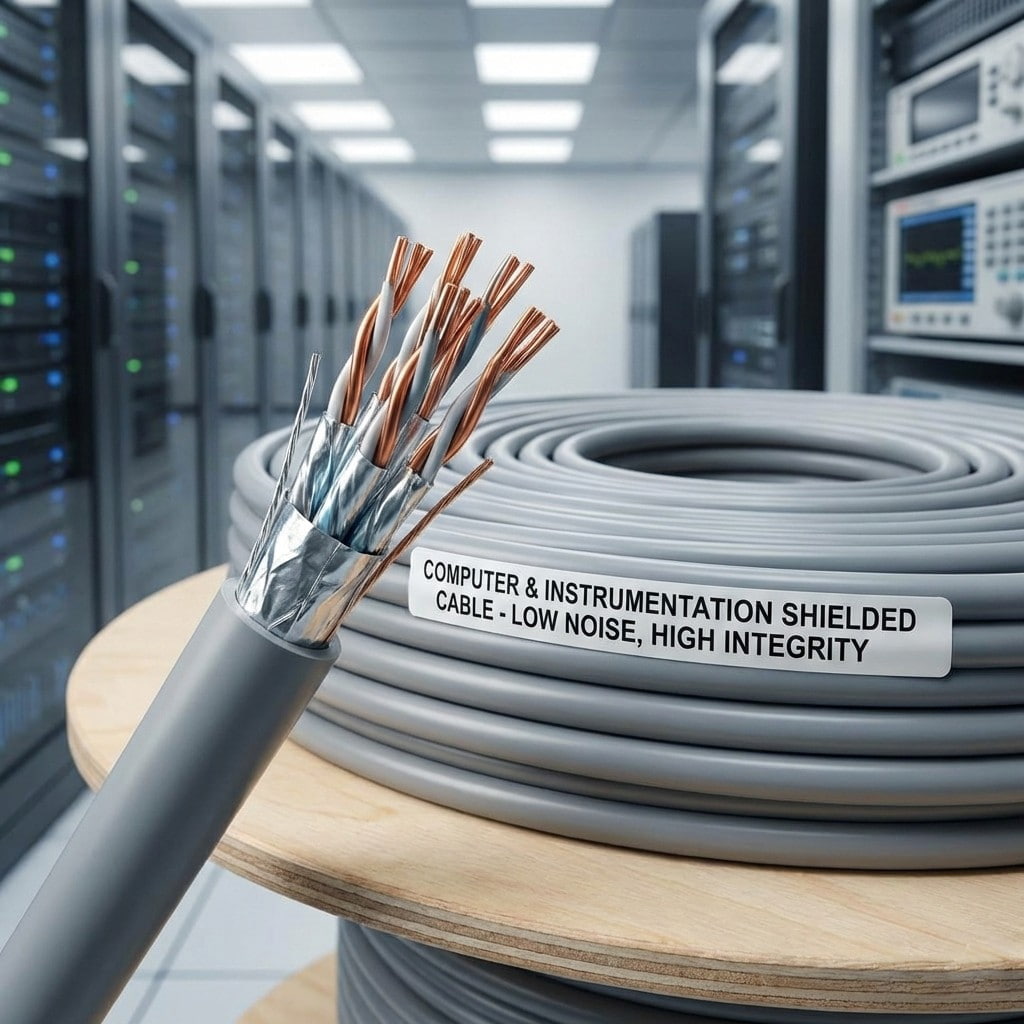
| Screen / Shield | Copper tape or copper braid for signaling and control cables |
| Armour | SWA or STA where mechanical protection is specified |
| Smoke Density | Light transmittance ≥ 60% per IEC 61034 |
| Halogen Content | pH ≥ 4.3, conductivity ≤ 10 µS/mm per IEC 60754-2 |
| Flame Spread | IEC 60332-3-24 (bunched cables); IEC 60332-1-2 (single cable) |
| Circuit Integrity | IEC 60331 for designated emergency circuits |
| Operating Temperature | -40°C to +90°C |
05 Key Features & Core Characteristics
- Smoke LSZH construction limits smoke emission and releases no halogen gases, supporting evacuation in enclosed tunnels and stations.
- Flame Bunched cable flame spread is controlled to IEC 60332-3-24, limiting fire propagation along cable trays.
- Integrity Fire-resistant variants maintain circuit integrity for emergency lighting and ventilation circuits under IEC 60331 test conditions.
- EMC Copper tape or braid screens on signaling and control cables reduce interference with track circuits and communication systems.
- Vibration Stranded conductors and flexible constructions accommodate the vibration and movement present in tunnel and track-side installations.
- Trace Digital production records link each cable length to material batches and test results for project documentation.
06 Technical Notes
Transit projects typically define cable requirements in a project specification that references multiple standards for different circuit categories. Power distribution cables generally require LSZH sheathing and flame spread compliance to IEC 60332-3-24, while emergency circuits add circuit integrity testing to IEC 60331. Signaling and communication cables require screening to protect low-voltage signals from traction current interference, with screen coverage and earthing arrangements defined in the signaling design. Installation in tunnels involves fixed routing on cable trays or brackets, and the cable construction should account for pulling tension and bending radius limits during installation. Where cables run in areas accessible to the public or subject to mechanical impact, armoured constructions may be specified. Our production records include extrusion parameters, material batch numbers, and routine test results, which can be compiled into documentation packages for project acceptance. We recommend confirming the circuit category, standard reference, and test documentation requirements at the quotation stage so that the cable construction matches the specification.
07 Frequently Asked Questions
Furthermore, the company has integrated a 5G-based smart manufacturing system, enabling digital monitoring of the production process and full quality traceability, thereby enhancing efficiency and product consistency. Qucheng Cable is committed to providing safe, reliable, and high-performance cable solutions for global customers.