
 English
 中文简体


Product Definition: Low-voltage extrusion-insulated power cable for 1kV and 3kV systems, made with high-conductivity copper or aluminum conductors and premium extrusion insulation.
See Details
Custom Energy Storage Cables: Sizing, Insulation and Specification Checklist
Oct 16,2026
Content
- 1 What Makes a Custom Energy Storage Cable Different From PV Cable
- 2 Which Voltage Class Do Energy Storage DC Cables Need?
- 3 How to Size Custom Energy Storage Cables for Real Container Heat
- 4 Insulation, Tray Ratings and Fire Performance Inside a Storage Cabinet
- 5 What to Specify Before You Request an Energy Storage Cable Quote
- 6 Frequently Asked Questions About Custom Energy Storage Cables
A 5 MWh battery container discharging at 0.5C pushes roughly 1,600 A into its DC collection bus at 1,500 V, and that bus sits inside a steel enclosure where the air above the racks can hold at 50°C for hours. Quotes on projects like this are rejected far more often over a voltage class, a temperature rating or a tray listing than over price, and those three lines are exactly where custom energy storage cables win or lose the order.
What follows is a practical breakdown: how storage DC cabling differs from photovoltaic string cable, how to size conductors against real container heat, and which lines belong on the specification sheet before a supplier quotes a single drum.
What Makes a Custom Energy Storage Cable Different From PV Cable
A photovoltaic string cable and an energy storage DC cable are both rated 1.5 kV DC, and that is about where the similarity ends. A string cable carries 10 to 20 A between modules. The cable linking battery racks to a combiner box or a power conversion system (PCS) inside a 5 MWh unit carries hundreds of amps continuously, which pushes conductor cross-sections from 4 to 6 mm² up to 35 to 240 mm². Every other design decision follows from that current.
Definition: custom energy storage cables are DC power cables engineered for continuous high-current duty between battery racks, combiner boxes and power conversion systems, specified by system voltage, continuous current, ambient temperature and routing environment rather than by one generic standard.
Three requirements follow from the higher current, and each one changes what a supplier has to quote:
- Conductor stranding. A flexible class 5 or class 6 stranded conductor bends to the radius a container needs. Rigid class 2 conductor, perfectly acceptable in a buried distribution run, is usually the wrong choice at a rack terminal.
- Insulation temperature rating. More copper in less space means more heat to remove, so a 90°C conductor rating is the working minimum and 105°C compounds appear where cables are bundled against a cabinet wall.
- Jacket toughness. Storage cables are pulled through trays, dragged over rack edges and tied every 300 to 400 mm, so abrasion resistance and a low-smoke, halogen-free formulation matter as much as electrical performance.
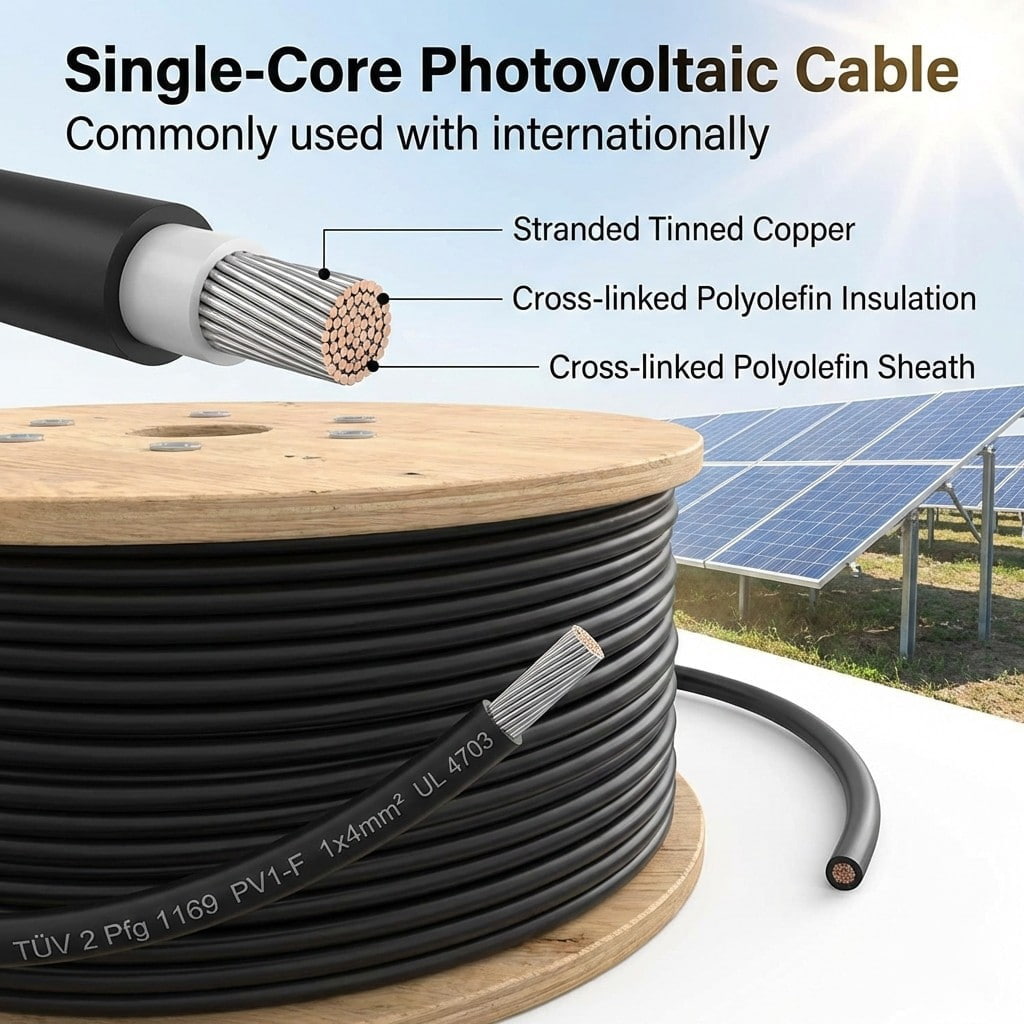 PV System Cable for Solar DC ConnectionsPhotovoltaic cable series for module, combiner box, and inverter connections, with weather-resistant insulation and flame-retardant sheath; check DC voltage rating.View Product →
Which Voltage Class Do Energy Storage DC Cables Need?
Storage DC cables must be rated above the highest voltage the battery system can reach, not the nominal figure printed on the drawing. For a nominal 1,500 V DC architecture, specify a 1.5 kV DC rated cable across the entire DC path and treat a 1,000 V DC cable as unsuitable, however heavy its insulation looks.
The margin exists because a fully charged string sits above nominal, and cell voltage tolerance plus balancing headroom pushes the bus toward 1,600 V. A 1,000 V rated cable has a thinner insulation wall by design: wall thickness follows the dielectric stress the compound is type-tested against, not how robust the cable feels in the hand.
1.5 kV DC Minimum rated voltage for a 1,500 V nominal storage architecture. A 1,000 V cable is not a substitute, whatever the wall thickness suggests.
Voltage class also changes once you cross the PCS. The DC side stops at the converter; beyond it everything is conventional AC, which means 0.6/1 kV cable from the PCS to the auxiliary transformer or LV busbar, then 6 kV, 10 kV or 35 kV XLPE insulated cable for the step-up run to the point of connection. A storage project therefore runs on two or three cable families at once, and buying them from one qualified manufacturer removes an interface risk from the schedule.
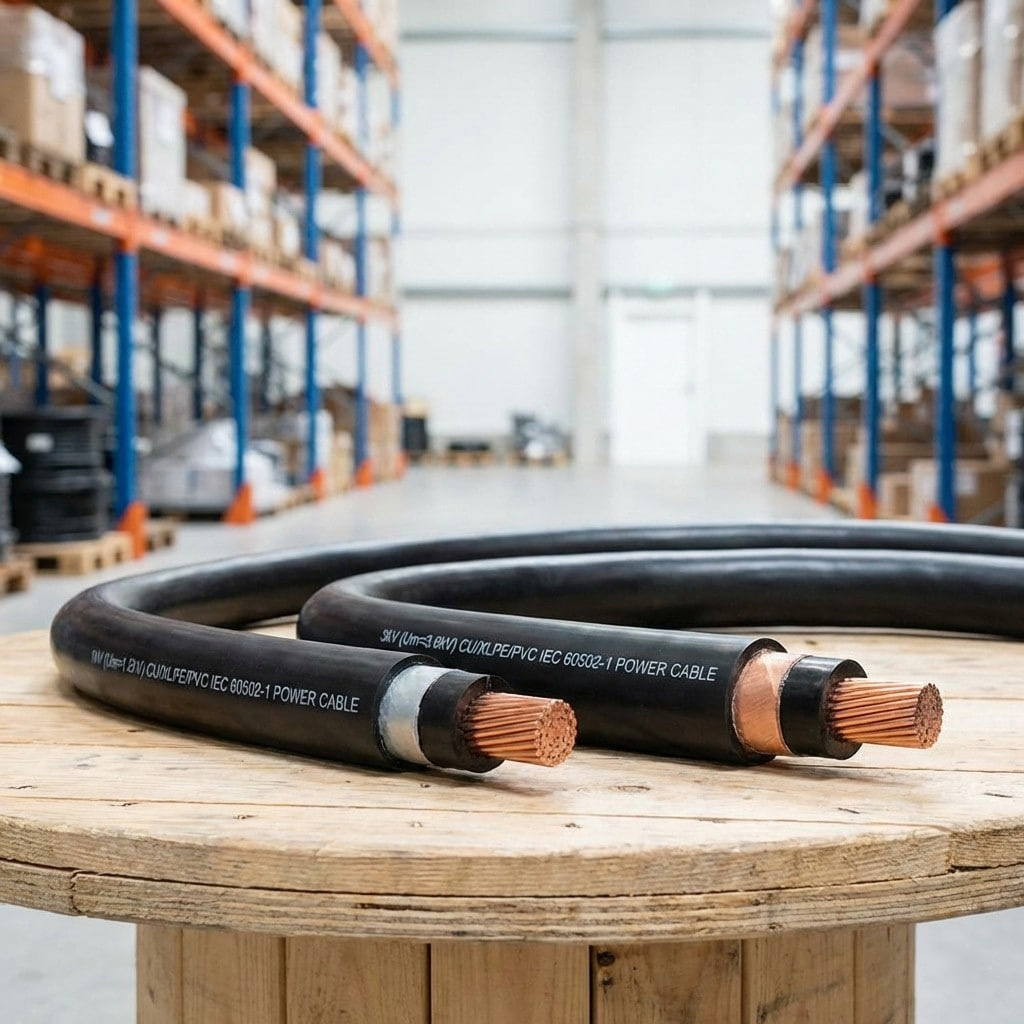 1 kV and 3 kV Extruded Insulated Power CableLow-voltage cable for 1 kV and 3 kV systems, with copper or aluminum conductors and extruded insulation; consider AC-side routing and derating.View Product →
How to Size Custom Energy Storage Cables for Real Container Heat
Size on continuous current at the worst ambient temperature inside the enclosure, then derate for grouping and routing. Catalogue ampacity assumes free air at 30°C, and a battery container in the Middle East or Southeast Asia does not hold that condition for long.
The gap is measurable. For a 90°C rated conductor in air, the ambient correction factor falls to 0.82 at 50°C and 0.76 at 55°C. Grouping four to six circuits in one tray typically removes another 15 to 35 percent. Take a 240 mm² DC cable listed at 630 A: at 55°C in a bundled tray it is realistically carrying about 380 A.
Indicative free-air ampacity, single-core copper DC cable, 90°C conductor
Values are indicative and assume single-layer free-air installation at 30°C ambient. Apply ambient and grouping correction factors before sizing.
0.76Ambient correction factor at 55°C for a 90°C cable
0.80Typical grouping factor, four to six DC circuits in one tray
380 ARealistic continuous rating of a derated 240 mm² DC cable
Two practical consequences follow. DC bus cross-sections on storage projects tend to land one or two sizes above what a simple current calculation suggests. And the supplier needs the real routing and bundling plan, not just the system voltage, because two identical 5 MWh units can end up with different conductor sizes depending on whether the DC runs sit in open air or in a closed, tightly packed tray.
Insulation, Tray Ratings and Fire Performance Inside a Storage Cabinet
The safe default for container DC cabling is a 90°C rated, cross-linked, halogen-free and low-smoke compound with a flame-retardant jacket, plus a tray or flame-test rating wherever the local authority having jurisdiction asks for one.
Beyond that default, selection narrows on three questions: how hot the conductor runs, how tight the bend has to be, and whether the installation is fixed or expected to move in service.
| Insulation and jacket system | Continuous conductor rating | Low-temperature flexibility | Halogen content | Where it fits |
| XLPE with PVC jacket | 90°C | Fair | Contains halogen | Fixed indoor runs where a halogen-free specification is not required |
| XLPE with halogen-free jacket | 90°C | Fair to good | None | Container DC bus in trays and other fixed routing |
| Irradiated cross-linked polyolefin | 90°C to 120°C | Good | None | Tight rack connections and high-ambient cabinets |
| EPR rubber | 90°C | Excellent | None | Flexible links at PCS terminals and runs that move in service |
Fixed runs in trays
A halogen-free, low-smoke jacket that releases little corrosive gas is the standard answer for cabinet and tray routes. Cables are secured every 300 to 400 mm so they cannot rub against each other or against the enclosure wall.
Flexible links and exposed runs
Short connections at rack terminals and PCS busbars want a higher strand count and a wider bend radius allowance. Outdoor sections add UV and ozone resistance, and cable ladder above the container usually needs a tray-listed product.
What to Specify Before You Request an Energy Storage Cable Quote
Five items decide whether two storage cable quotes can be compared at all: DC voltage class, conductor size and stranding, temperature rating, fire and environmental performance, and the documentation package that ships with the drums.
Fix the DC voltage class
State the highest voltage the battery can reach, then require a 1.5 kV DC rating across the DC path. This single line disqualifies more non-compliant offers than any other.
Give the real current and the real routing
Continuous current, ambient temperature, tray fill, and whether the run sits in open air or a closed cabinet. A supplier working from system voltage alone will size the cable too small.
Set the conductor temperature rating
90°C is the working minimum. Where cables are bundled and the cabinet has no active cooling, a 105°C compound is the practical answer.
Write fire requirements against a named standard
Halogen-free, low-smoke and flame-retardant claims mean little without the standard and test method behind them, and a tray rating only counts if the local authority recognises the listing.
Ask for the paperwork up front
Type test reports, routine batch test data, traceability from drum label back to production run, and verified environmental declarations. Product carbon footprint verification reports for individual cable types are now routinely requested by owners in Europe and the Middle East.
One cable family is easy to leave off the list. Battery management and monitoring circuits need shielded twisted pairs, and running them in the same tray as the DC bus without a drain wire and correct grounding practice turns a clean installation into a communications fault that is expensive to diagnose after energisation.
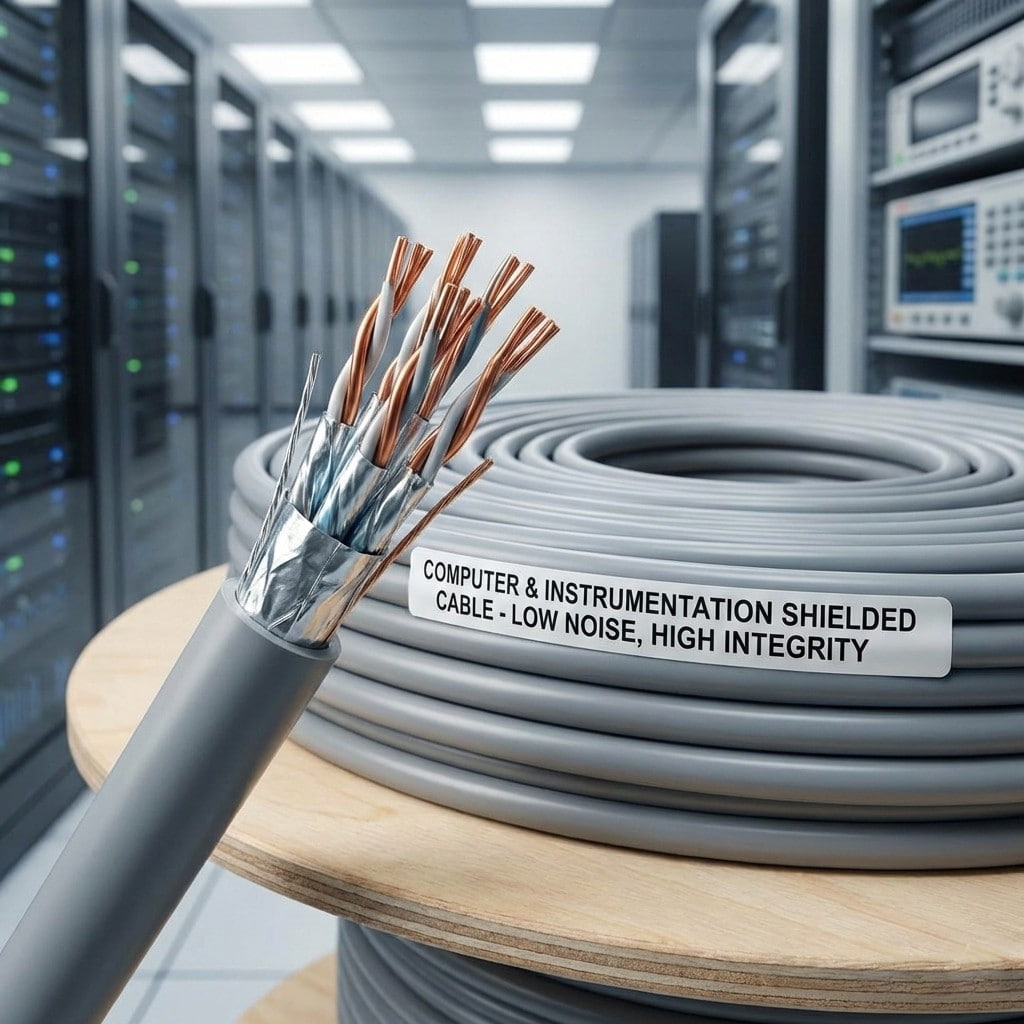 Computer and Instrument Shielded Cable for Signal TransmissionShielded cable for industrial control, instrument, and data signals; suitable where monitoring circuits need EMI-resistant twisted pairs separate from DC power runs.View Product →
Frequently Asked Questions About Custom Energy Storage Cables
Can a 1,000 V rated cable be used on a 1,500 V DC storage system?
No. The rated voltage of the cable must exceed the highest voltage the DC bus can reach, including charge headroom and cell voltage tolerance. On a 1,500 V nominal architecture that means a 1.5 kV DC rated cable on every DC run, from rack interconnect through to the PCS input.
What conductor size do container DC buses usually use?
Most 5 MWh containers land between 95 mm² and 240 mm² on the main DC bus, depending on C-rate, the ambient temperature inside the cabinet and how many circuits share a tray. Rack interconnect cables are typically smaller, in the 35 mm² to 70 mm² range.
Does an energy storage cable need a tray rating?
It depends on the installation. Cable installed in a recognised tray or cable ladder inside a container is frequently required to carry a tray or flame-test listing. Where the cable stays entirely inside an enclosure and outside any tray, the requirement is normally written around flame propagation and smoke instead.
How do you confirm a supplier can repeat the same cable?
Look for type test reports on file, routine batch testing on every drum, and a traceability path from the drum label back to the production run. Verified environmental documentation, such as product carbon footprint verification reports covering individual cable types, is a useful secondary signal that the process is under control.
Send the system voltage, current and routing plan
A technical review usually settles the sizing and insulation questions in one pass and is faster than a round of revised quotations. Contact the cable engineering team for a specification review and a quotation built around the real installation conditions.
Related products
-
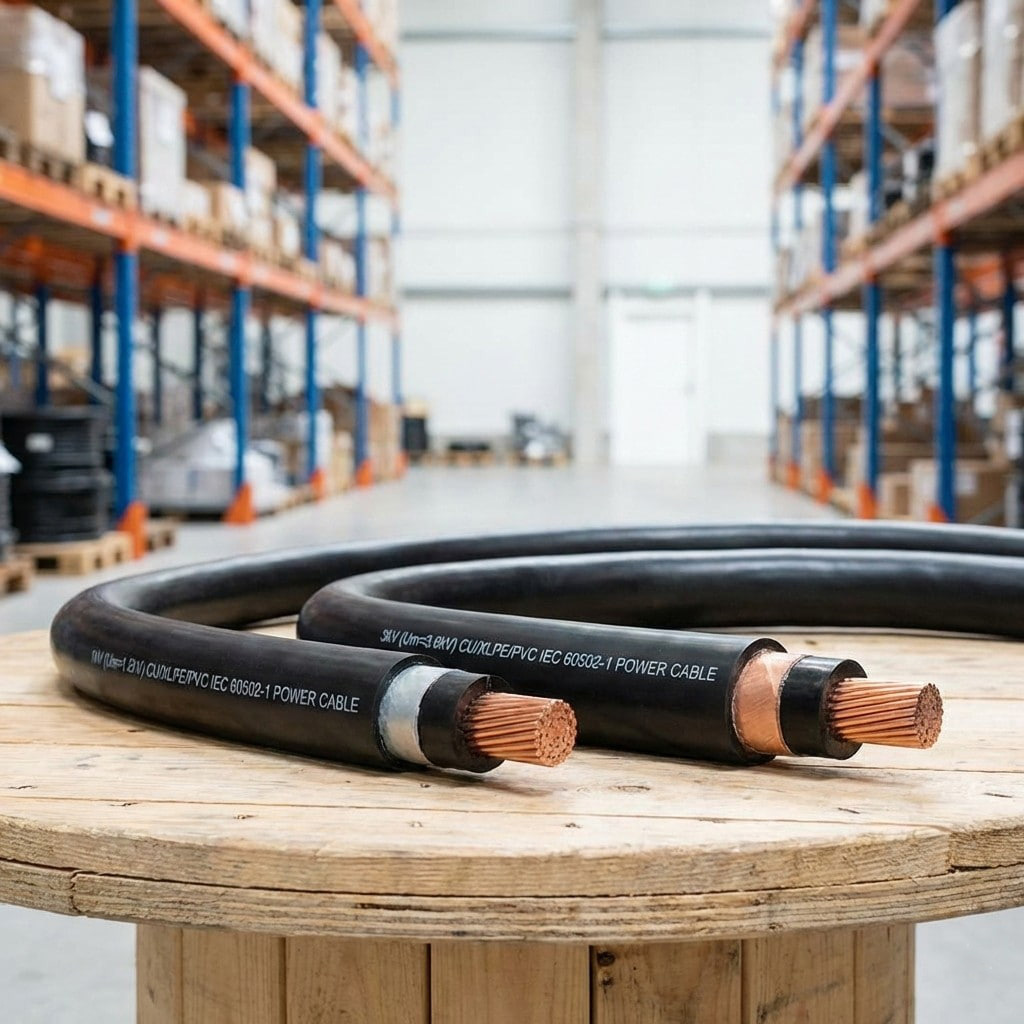
-
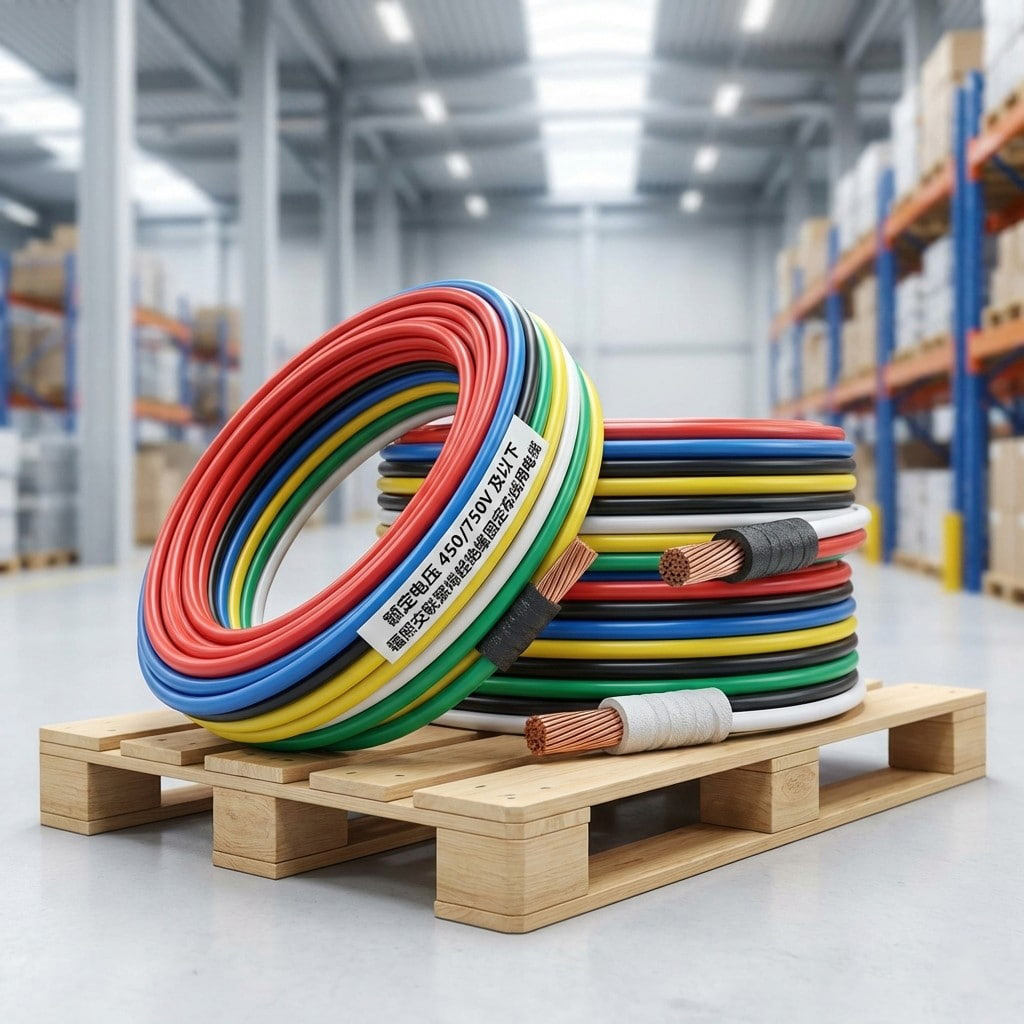
Product Overview:This product is made of high-quality polyolefin material through an electron irradiation cross-linking process. It is suitable for fixed installations with rated voltages of 450/750V ...
See Details -
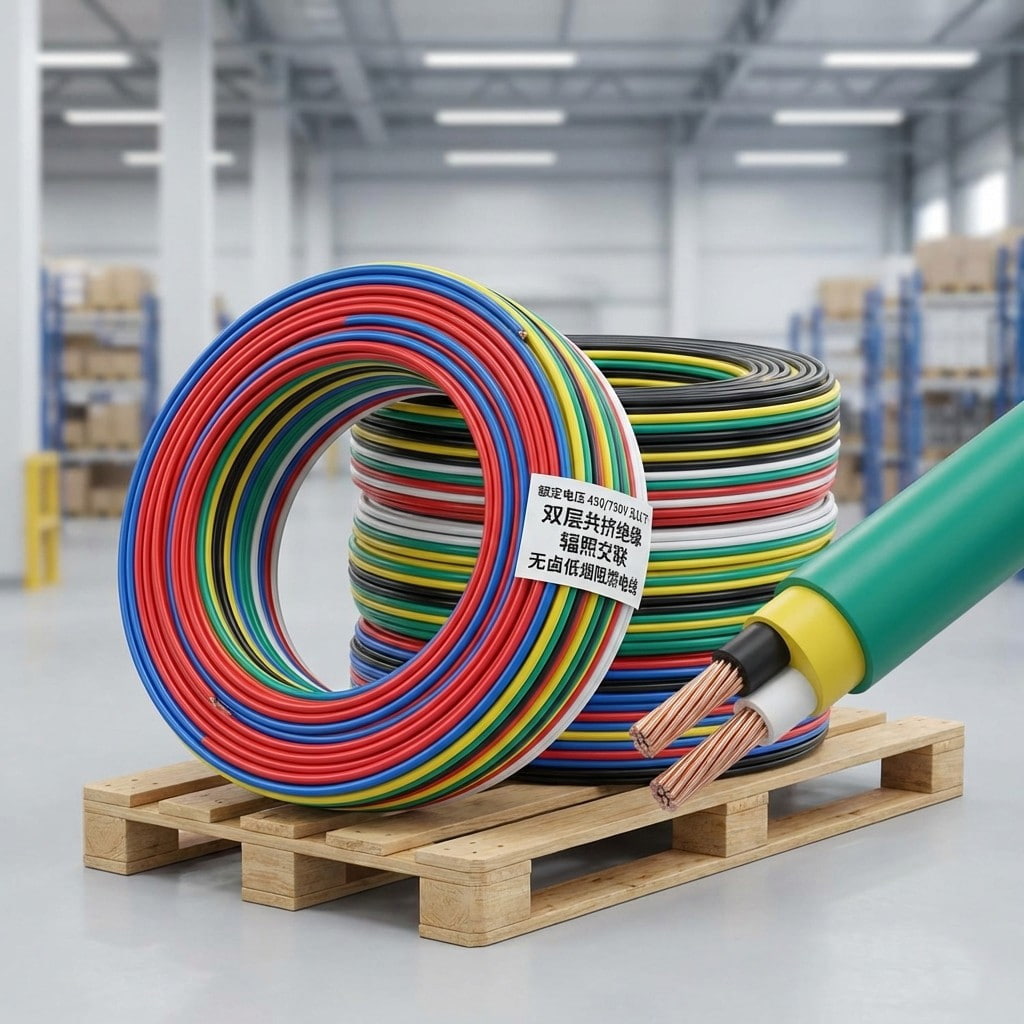
Product Overview: This product utilizes a double-layer co-extrusion insulation and electron irradiation cross-linking process, possessing halogen-free, low-smoke, and flame-retardant properties. It i...
See Details -
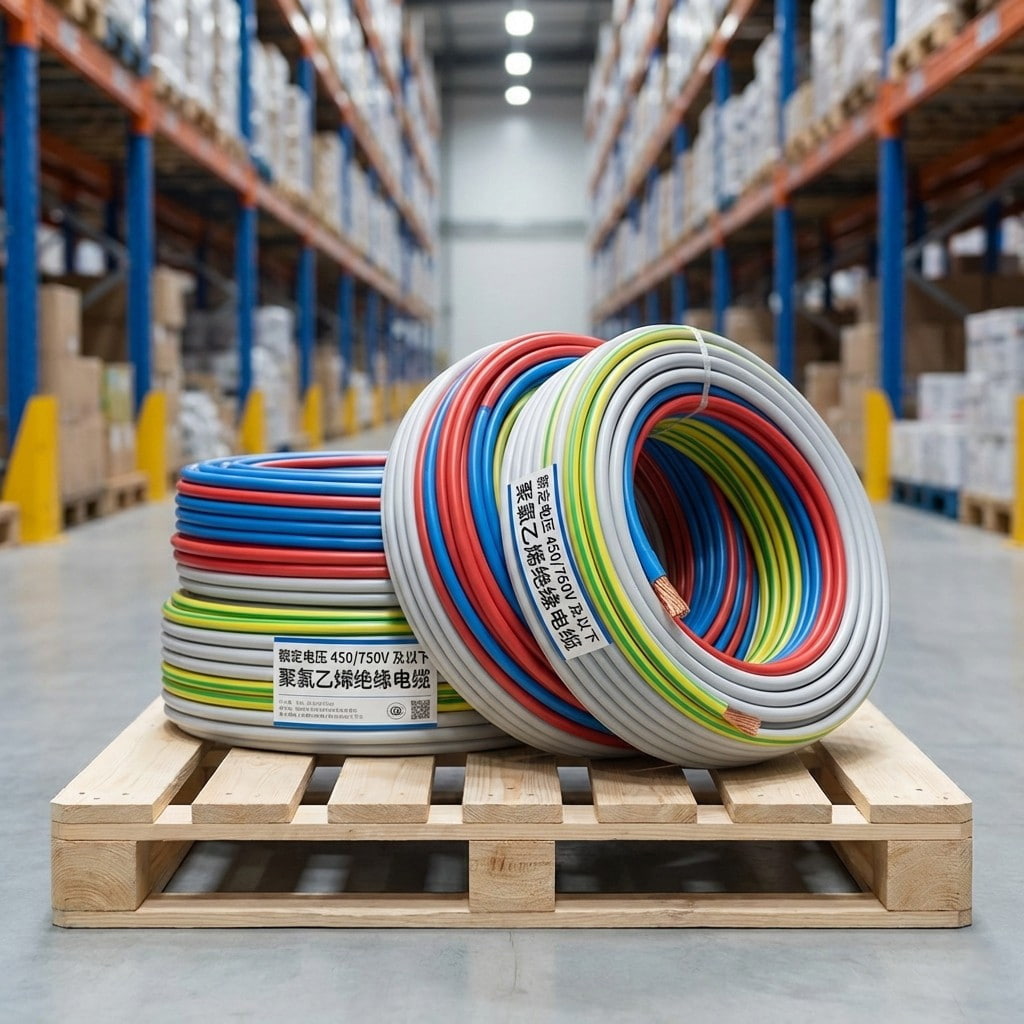
Product Overview: This series consists of general-purpose wires and cables with a rated voltage of 450/750V and below, using polyvinyl chloride (PVC) insulation and sheathing. Featuring mature technol...
See Details -
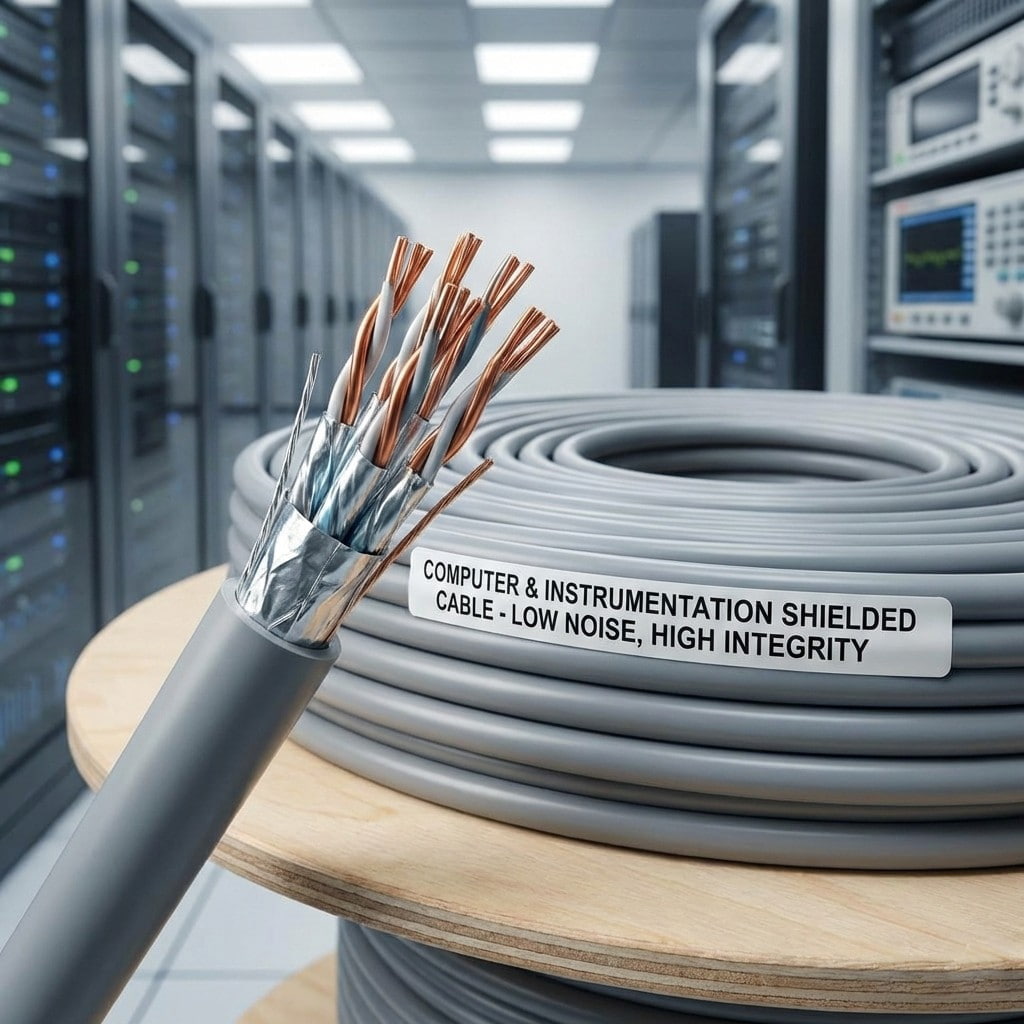
Product Overview: Computer and Instrumentation Shielded Cable is a high-performance shielded cable designed specifically for industrial automation control, instrument signal transmission, and sensitiv...
See Details -
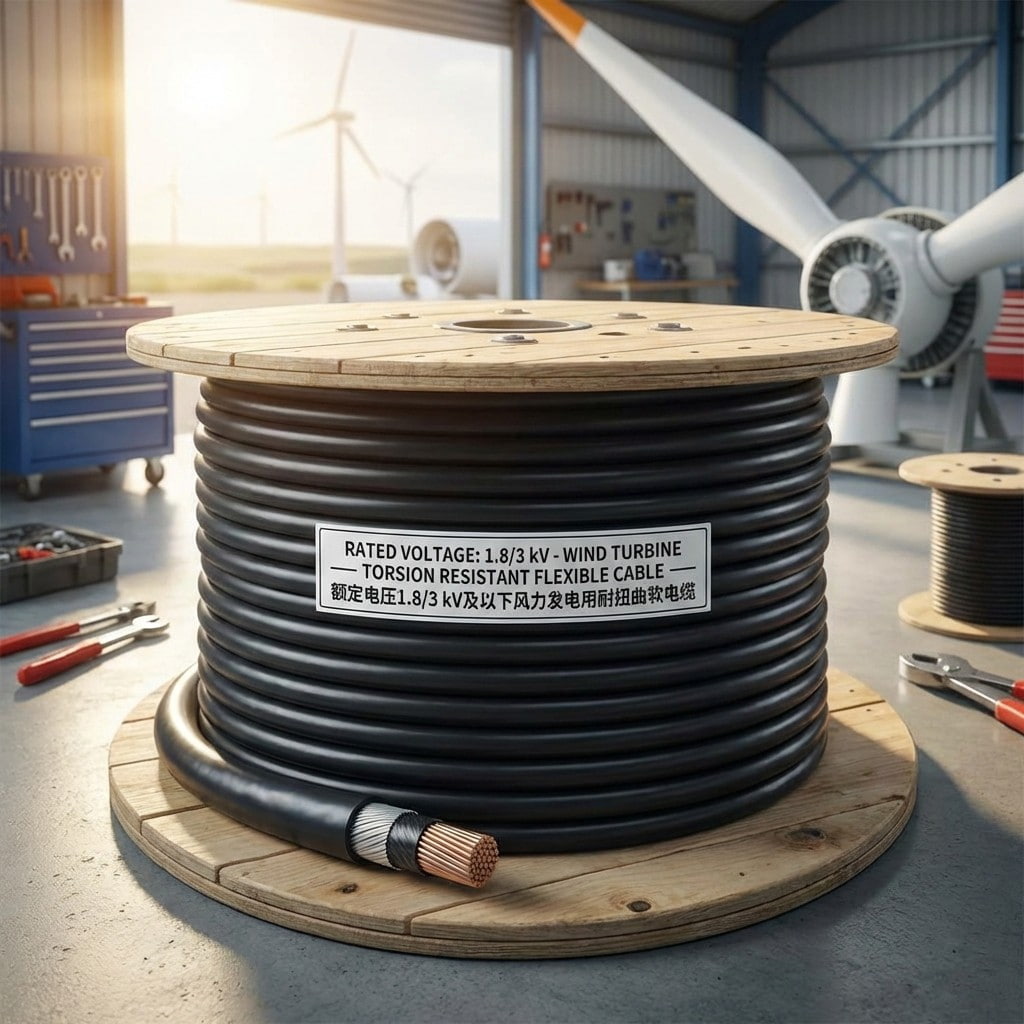
Product Introduction: Designed specifically for the harsh operating environment of wind power systems, meeting the requirements of continuous torsion and bending during mobile installation within the...
See Details
- About Us
- Company Profile
- History
- Smart Factory
- Resources
- Resources
- Technical Datasheets
- Product Catalogs
- Certificates & Compliance
- Industry Standards
- FAQs
- News
- Products
- Power Cables
- Electrical Equipment Cables
- Wind Power Cables
- Photovoltaic / Energy Storage Cables
- Overhead Cables
- Rail Transit
- Contact
- Contact
- Contact Meaia
-
Mobile QR code

Back to top

