
 English
 中文简体


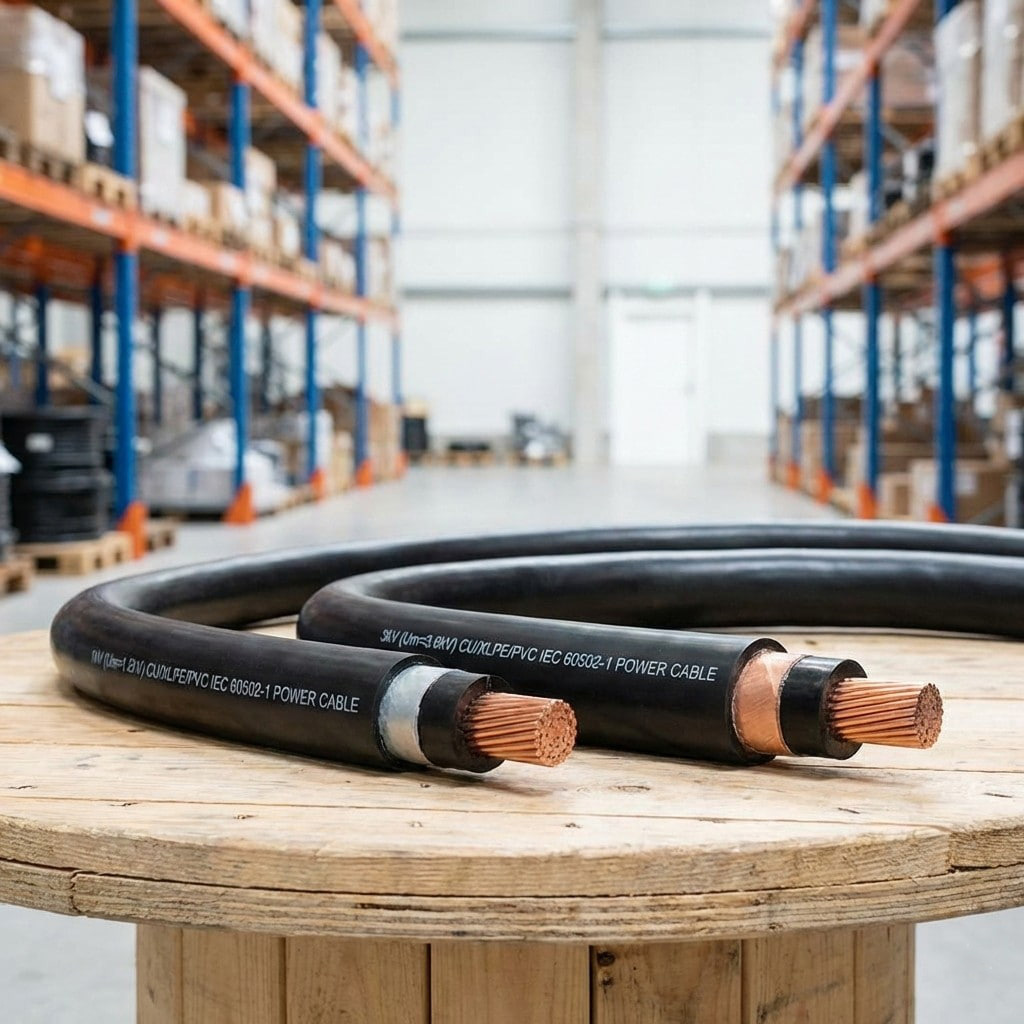
Product Definition: Low-voltage extrusion-insulated power cable for 1kV and 3kV systems, made with high-conductivity copper or aluminum conductors and premium extrusion insulation.
See Details
High Voltage Electric Wire: Complete Specifications, Design, and Selection Guide
Oct 08,2026
Content
- 1 What Counts as Electric Wire High Voltage?
- 2 Core Design Layers of a High Voltage Cable
- 3 Electric Wire High Voltage Specifications to Verify
- 4 Where Electric Wire High Voltage Is Used in Practice
- 5 How to Select a Reliable High Voltage Wire Supplier
- 6 Frequently Asked Questions About High Voltage Electric Wire
When a 35 kV electric wire high voltage cable fails in service, the immediate cost is not just the cable itself. A single fault in an industrial feeder can shut down an entire production line for hours, and a 110 kV substation fault can take out a district. That is why high voltage cable selection is treated as a specification decision, not a purchasing formality. This guide explains what defines high voltage, how the cable is built, which parameters matter most, and how to evaluate a manufacturer before placing an order.
What Counts as Electric Wire High Voltage?
Electric wire high voltage is any insulated cable rated above 1,000 volts, with practical sub-classes that dictate insulation thickness, testing protocol, and installation method.
Most electrical engineers work with 230/400 V wiring every day, and that familiarity does not transfer to high voltage. The IEC framework splits power cable into low voltage, up to 1 kV, medium voltage, from 1 kV to 36 kV, and high voltage, above 36 kV. The IEEE uses different boundaries, treating 35 kV as the transition point. For a manufacturer such as Qucheng Cable in Yixing, China, the relevant production range spans from 6 kV to 220 kV, with XLPE insulation dominating from about 6 kV upward. For a deeper look at material selection and standards, see the complete guide to insulated power cables.
1 kVHV starts here
36 kVIEC HV threshold
220 kVTop XLPE class
90 CContinuous conductor temp
| Classification | Voltage Range | Typical Insulation | Typical Application |
| Low Voltage | up to 1 kV | PVC, XLPE | Building wiring, control panels |
| Medium Voltage | 1-36 kV | XLPE, EPR | Distribution, industrial feeders |
| High Voltage | above 36-230 kV | XLPE, paper-oil | Substation feeds, transmission |
| Extra High Voltage | above 230 kV | Oil-filled, XLPE | Bulk grid transmission |
Core Design Layers of a High Voltage Cable
A high voltage cable is not one component. It is a five-layer composite where each layer handles a different electrical or mechanical duty.
The construction determines whether a 26/35 kV cable will run for decades or fail at the termination within two years. When you inspect a cable cross-section or read a datasheet, these are the layers you should be able to identify.
- Stranded conductor. Copper or aluminum. The cross-section sets ampacity, and the strand count affects flexibility. Aluminum is lighter; copper carries more current density.
- Conductor shield. A thin semi-conductive layer that equalizes the electric field at the conductor surface and prevents corona.
- Insulation. XLPE is the standard material for medium and high voltage. Its thickness is set by the rated voltage and the impulse withstand level.
- Insulation shield. A semi-conductive layer on the outside of the insulation, grounded at the termination. It keeps the electric field radial.
- Metallic screen. Copper wire or tape that carries fault current and shields the cable from external interference.
- Outer sheath. PVC, PE, or a low-smoke halogen-free compound that protects the inner structure from moisture, rodents, and abrasion.
The termination is the most common failure point in high voltage cable. A clean, well-prepared termination controls the electric field; a dirty one creates a field concentration that will fail within months.
Electric Wire High Voltage Specifications to Verify
Six specification values separate a high voltage cable that will run for decades from one that fails in the first year.
Do not accept a datasheet at face value. Verify each of these against your system conditions, and ask the manufacturer for routine test records for the batch.
- U0/U rated voltage. 8.7/15 kV means 8.7 kV phase-to-ground and 15 kV phase-to-phase. Choose a class above your maximum operating voltage.
- Conductor cross-section. From 25 mm2 to 1000 mm2. Sizing depends on ampacity, voltage drop, and short-circuit withstand.
- Conductor temperature. 90 C continuous and 250 C short-circuit is standard for XLPE. Sustained over-temperature degrades insulation.
- Partial discharge. The test result should be 10 pC or less at 1.73 U0 under IEC 60502. Higher PD indicates voids that will grow.
- Impulse withstand. For lightning-prone areas, check the BIL rating. A 12/20 kV cable typically needs 95 kV BIL.
- Product standard. Specify IEC 60502 for medium voltage, IEC 60840 for high voltage, or the relevant GB/T standard.
Key test to demand
Partial discharge is the single most useful diagnostic test for a high voltage cable. If a manufacturer cannot provide a PD test report for your batch, treat the quotation as unverified.
 35kV Extruded Insulated Power Cable for Transmission and Industrial UseThis cable is rated for 35kV transmission and urban power systems, featuring high-conductivity conductors and robust insulation for reliable operation. It supports overhead, underground, and tunnel installation, making it suitable for large industrial and grid projects.View Product →
Where Electric Wire High Voltage Is Used in Practice
High voltage electric wire is concentrated in four applications: grid transmission, renewable generation, industrial distribution, and rail traction.
Each application stresses the cable differently. That difference drives the material and construction choices.
- Grid transmission and substation. 110 kV and 220 kV XLPE cables connect transformers and switchgear inside substations, and link city grid nodes without overhead corridors.
- Renewable generation. Wind turbines use torsion-resistant cables from 1.8 kV to 66 kV because the cable rotates with the nacelle. Solar farms use 35 kV feeders for collection.
- Industrial distribution. 35 kV feeders supply large plants, steel mills, and data campuses. Direct-buried routes require armor, while tray installation may need a low-smoke sheath.
- Rail traction. Locomotives and rolling stock need cables rated for vibration, temperature variation, and fire performance. Station power runs at 10 kV or 35 kV.
66 kV is now a standard cable class for onshore wind turbines
Rated voltage class versus common application. Higher bars represent higher voltage levels.
 66kV Torsion-Resistant Flexible Wind Power CableDesigned for wind turbines up to 20MW, this 66kV cable withstands repeated torsion and bending in nacelle and yaw systems. Its flexible structure and oil, salt, and UV-resistant sheath ensure long-term service in onshore and offshore wind farms.View Product →
How to Select a Reliable High Voltage Wire Supplier
Supplier selection for electric wire high voltage should be based on verified test capability, material traceability, and certification, not on lowest unit price.
When you compare quotations, request three documents before discussing price: the type test report, the routine test report for your batch, and the quality management system certificate. A supplier that cannot produce these has no documented performance.
Qualified supplier
- In-house partial discharge, impulse, and thermal cycling test equipment.
- Batch routine test reports traceable to the production lot.
- ISO 9001, ISO 14001, ISO 45001 plus CB and TUV certifications.
- Published product carbon footprint and ESG data.
Questionable supplier
- No documented test facility or outsources critical tests.
- Cannot provide batch-level test records.
- Only a basic certificate or none at all.
- No environmental or traceability documentation.
Request the technical datasheet and batch test report from the manufacturer before you shortlist a supplier.
contact the manufacturer 220kV XLPE Insulated Power Cable for High-Voltage GridsThis 220kV XLPE cable offers superior electrical performance with ultra-clean insulation and low partial discharge. Its metal sheath and flame-retardant outer sheath provide robust protection for long service life in urban grids and power plant connections.View Product →
Frequently Asked Questions About High Voltage Electric Wire
What voltage is considered high voltage for electric wire?
In the IEC framework, high voltage starts above 36 kV. Medium voltage covers 1-36 kV, and low voltage is up to 1 kV. The IEEE uses different cut-offs, so always confirm which standard applies to your project.
How do I choose between medium and high voltage cable?
Match the cable class to the system maximum operating voltage plus a margin for switching surges. If your network operates at 33 kV, use a 26/35 kV cable. If it operates at 110 kV, specify 64/110 kV.
What causes partial discharge in high voltage cables?
Microscopic voids, contaminants, or sharp points in the insulation create localized electrical stress. Over time, the discharge erodes the insulation and leads to breakdown. Factory PD testing at 1.73 U0 catches most defects before delivery.
Does Qucheng Cable manufacture high voltage wire for export projects?
Yes. Qucheng Cable uses an in-house partial discharge test line and supplies cables to project buyers in Southeast Asia and the Middle East. You can request a technical datasheet and batch test report through the contact page.
Related products
-
-
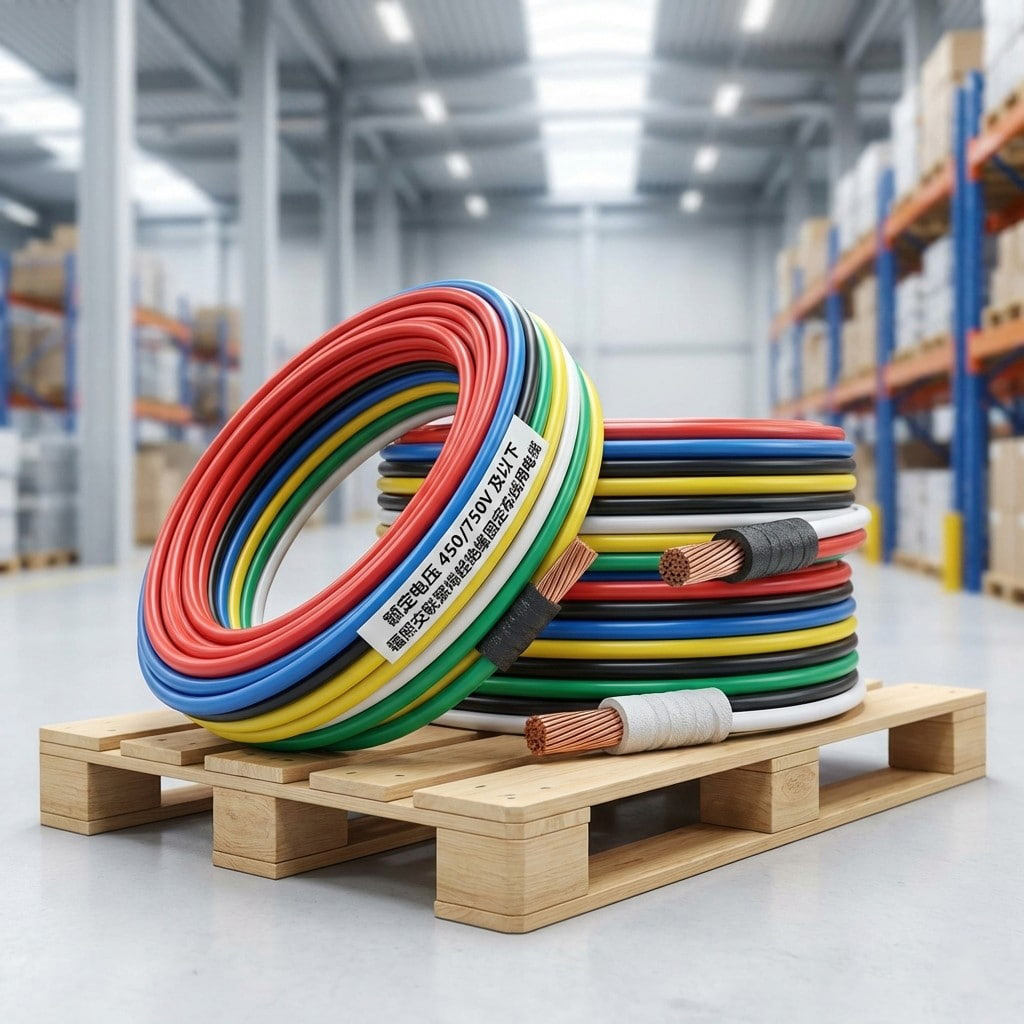
Product Overview:This product is made of high-quality polyolefin material through an electron irradiation cross-linking process. It is suitable for fixed installations with rated voltages of 450/750V ...
See Details -
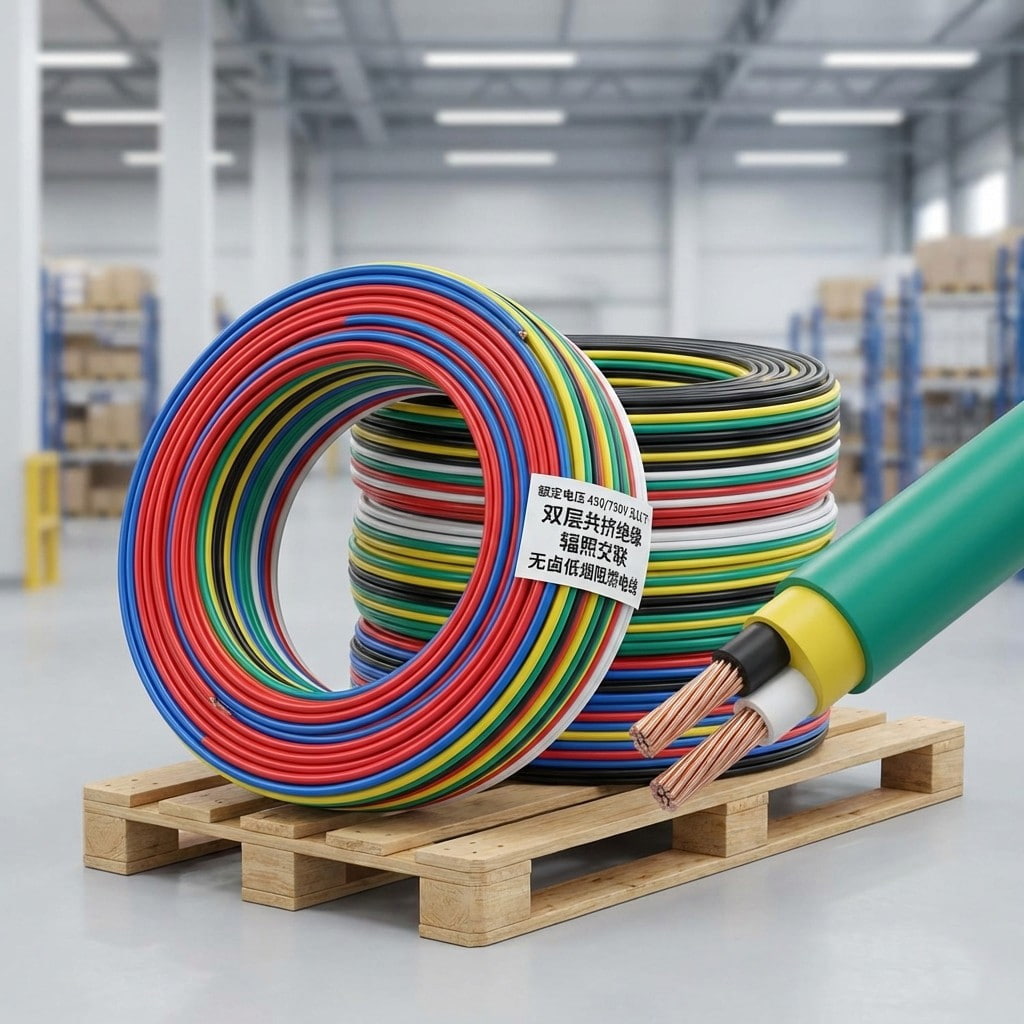
Product Overview: This product utilizes a double-layer co-extrusion insulation and electron irradiation cross-linking process, possessing halogen-free, low-smoke, and flame-retardant properties. It i...
See Details -
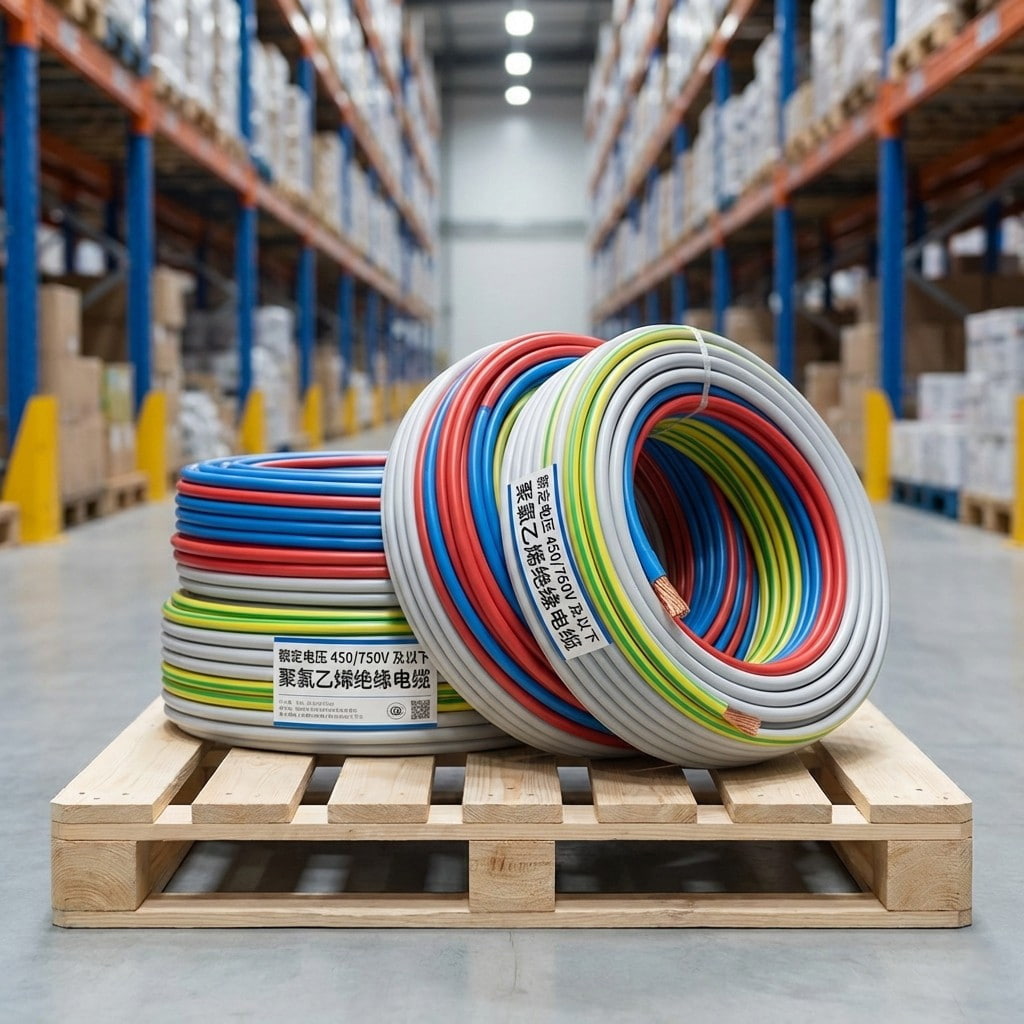
Product Overview: This series consists of general-purpose wires and cables with a rated voltage of 450/750V and below, using polyvinyl chloride (PVC) insulation and sheathing. Featuring mature technol...
See Details -
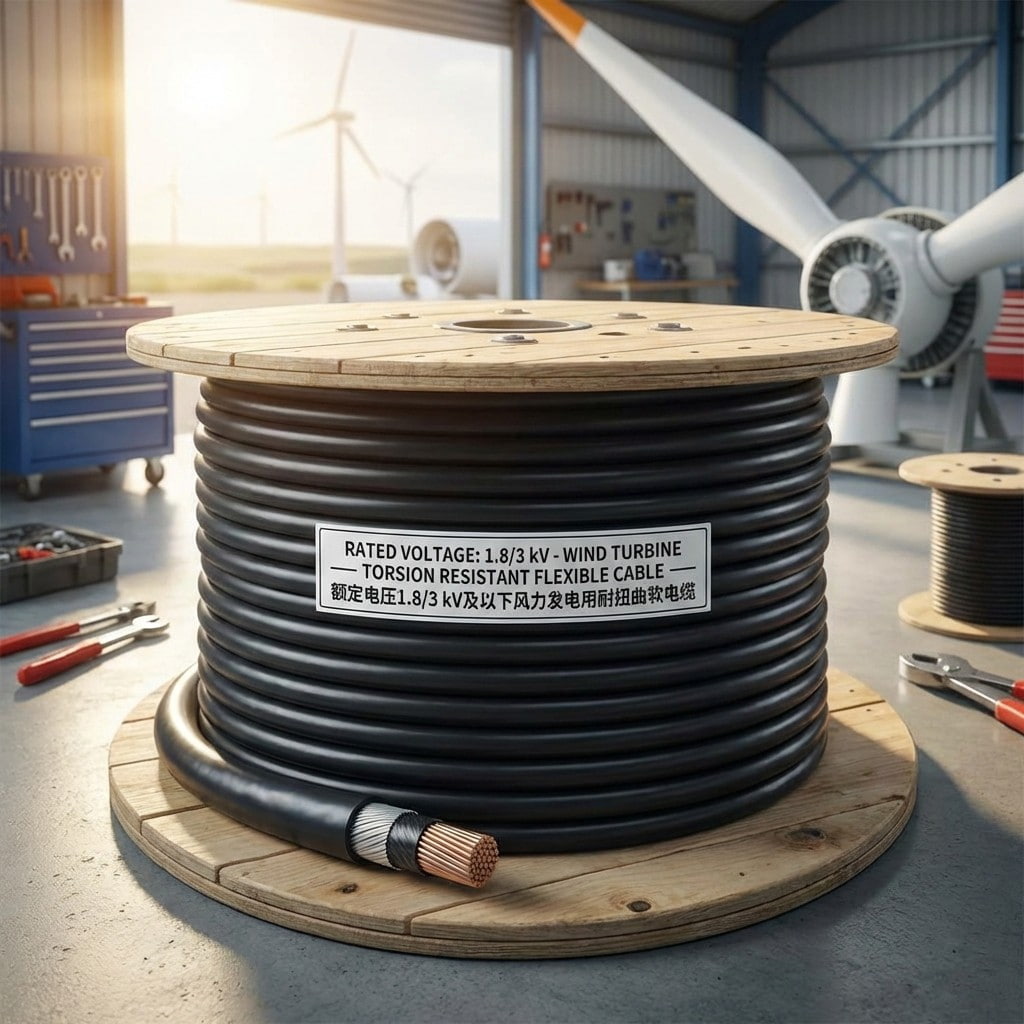
Product Introduction: Designed specifically for the harsh operating environment of wind power systems, meeting the requirements of continuous torsion and bending during mobile installation within the...
See Details -
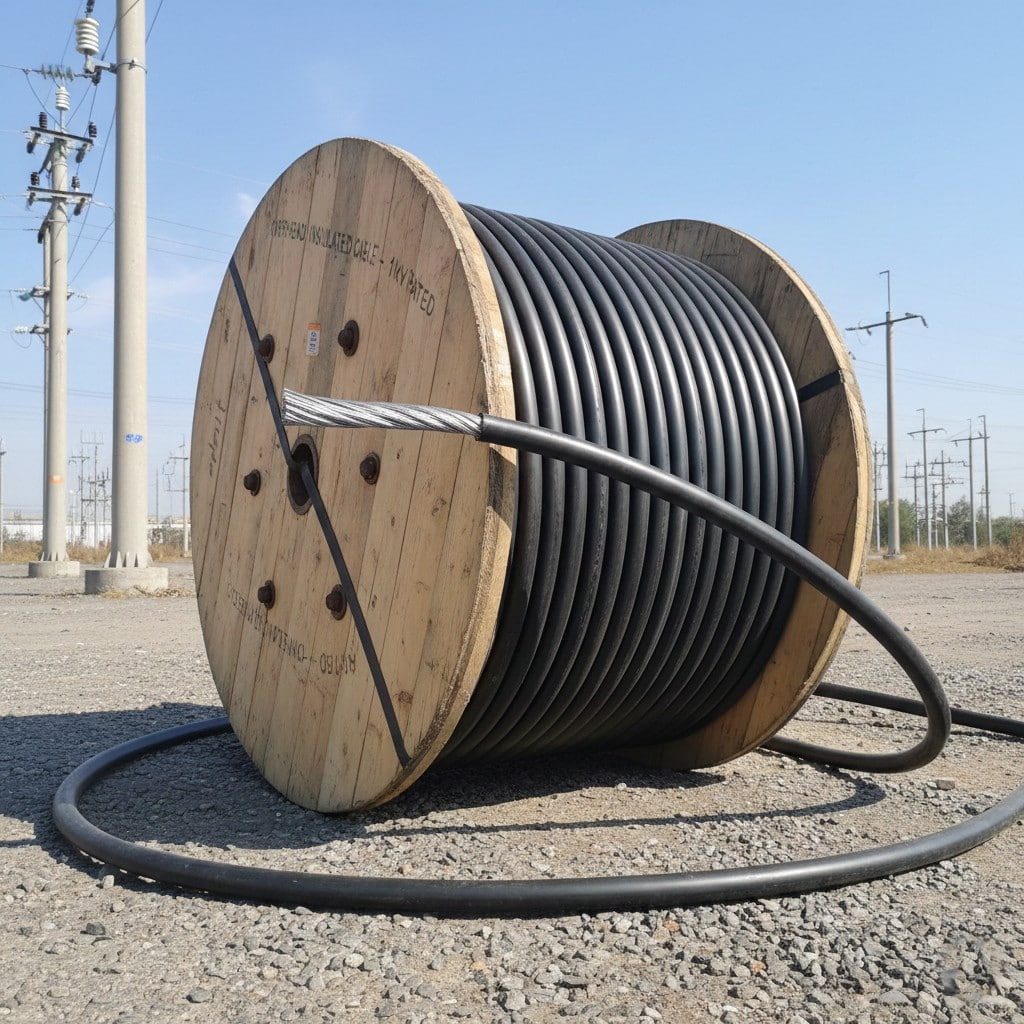
Product Overview: Designed specifically for overhead power line installation, this product is suitable for distribution lines with a rated voltage of 1kV and below, making it an ideal choice for urban...
See Details
- About Us
- Company Profile
- History
- Smart Factory
- Resources
- Resources
- Technical Datasheets
- Product Catalogs
- Certificates & Compliance
- Industry Standards
- FAQs
- News
- Products
- Power Cables
- Electrical Equipment Cables
- Wind Power Cables
- Photovoltaic / Energy Storage Cables
- Overhead Cables
- Rail Transit
- Contact
- Contact
- Contact Meaia
-
Mobile QR code

Back to top

