
 English
 中文简体


Product Overview: This product is an overhead insulated cable specifically designed for 10kV distribution networks, using cross-linked polyethylene (XLPE) as the insulation layer. It upgrades traditio...
See Details
Custom Overhead Insulated Cable: Specification Guide for Distribution Networks
Sep 17,2026
Content
- 1 Custom Overhead Insulated Cable Construction and Customizable Parameters
- 2 How to Specify Custom Overhead Insulated Cable for Distribution Networks
- 3 Custom Overhead Insulated Cable vs Bare Conductor: Practical Circuit Benefits
- 4 Testing, Standards, and Delivery Risks for Custom Overhead Insulated Cable
- 5 Three Specification Mistakes That Break Overhead Insulated Cable Projects
- 6 Frequently Asked Questions
Jiangsu Qucheng Cable Technology Co., Ltd. receives specification inquiries from distribution engineers who are replacing bare conductors in dense urban corridors, where right-of-way clearance is tight and weather-related outages are no longer acceptable. The requirement is not a standard catalogue part; it is a Custom Overhead Insulated Cable built around a specific voltage class, conductor cross-section, and environmental exposure profile. The difference between accepting a stock cable and requesting a tailored one often shows up as fewer outage hours and lower lifetime maintenance cost.
1kV / 10kVVoltage classes available
XLPEWeather-resistant insulation
Al / Al-alloyConductor material options
GB/TDesign reference standards
Custom Overhead Insulated Cable Construction and Customizable Parameters
Custom overhead insulated cable lets you specify conductor material, cross-section, insulation thickness, and voltage rating to match a specific route, rather than accepting an off-the-shelf build.
Definition A custom overhead insulated cable is an overhead conductor covered with weather-resistant XLPE insulation, engineered to a buyer's specification for voltage, cross-section, and environmental exposure, produced for a defined distribution route instead of a stock configuration.
The construction starts from the conductor. Aluminum is the default for overhead use because it balances current capacity against weight and cost; aluminum alloys such as AA-8000 are used where the route demands higher mechanical strength or where the cable will be installed in areas with significant cyclic loading. The insulation layer is extrusion-applied cross-linked polyethylene (XLPE), which resists UV radiation, moisture, and temperature cycling. Insulation thickness is tied to the rated voltage, so a 10kV cable carries a thicker wall than a 1kV cable with the same conductor size.
| Parameter | Common options | What it affects |
| Voltage class | 1kV and below, 10kV | Insulation thickness, system design, clearance |
| Conductor material | Aluminum, aluminum alloy | Current capacity, sag, corrosion resistance |
| Insulation compound | XLPE, UV-stabilized XLPE | Weather resistance, service life |
| Configuration | Single-core, bundled | Installation method, voltage drop |
| Cross-section | 16-240 sq mm typical range | Load capacity, voltage drop |
 10kV XLPE Insulated Overhead Cable for Medium-Voltage DistributionThis 10kV overhead insulated cable uses XLPE insulation to prevent short circuits and enhance grid safety, making it suitable for narrow corridors and complex environments in urban and rural distribution upgrades.View Product →
Qucheng produces the 10kV version for medium-voltage distribution feeders and the 1kV version for low-voltage aerial bundled networks. Both are available as custom builds, with reel length, marking, and color coding set per project.
Weather-resistant XLPE insulation reduces line-to-line faults and allows tighter phase spacing than bare conductor, which is the main reason utilities specify insulated overhead cable in urban and tree-lined corridors.
How to Specify Custom Overhead Insulated Cable for Distribution Networks
A professional specification starts with voltage class, then conductor cross-section, then the route environment, because these three choices determine cable cost, sag, and long-term reliability.
- Define the voltage class and system configuration, whether 1kV low-voltage distribution or 10kV medium-voltage feeder.
- Calculate the continuous load current and future growth, then choose the conductor cross-section from the manufacturer's ampacity table.
- Select the insulation system for the local UV index, ambient temperature range, and humidity level.
- Choose between single-core and bundled configuration based on pole availability and installation contractor capability.
- Specify routine and type tests, plus the standards the cable must satisfy.
- Confirm reel length, marking, and color coding for the specific project.
Single-core
- Individual phase conductors on separate poles or brackets
- Easier termination for medium-voltage circuits
- Lower conductor temperature in high-load feeders
Bundled aerial bundled cable
- Compact arrangement with a neutral support wire
- Reduced right-of-way in LV urban networks
- Lower voltage drop for long rural feeders
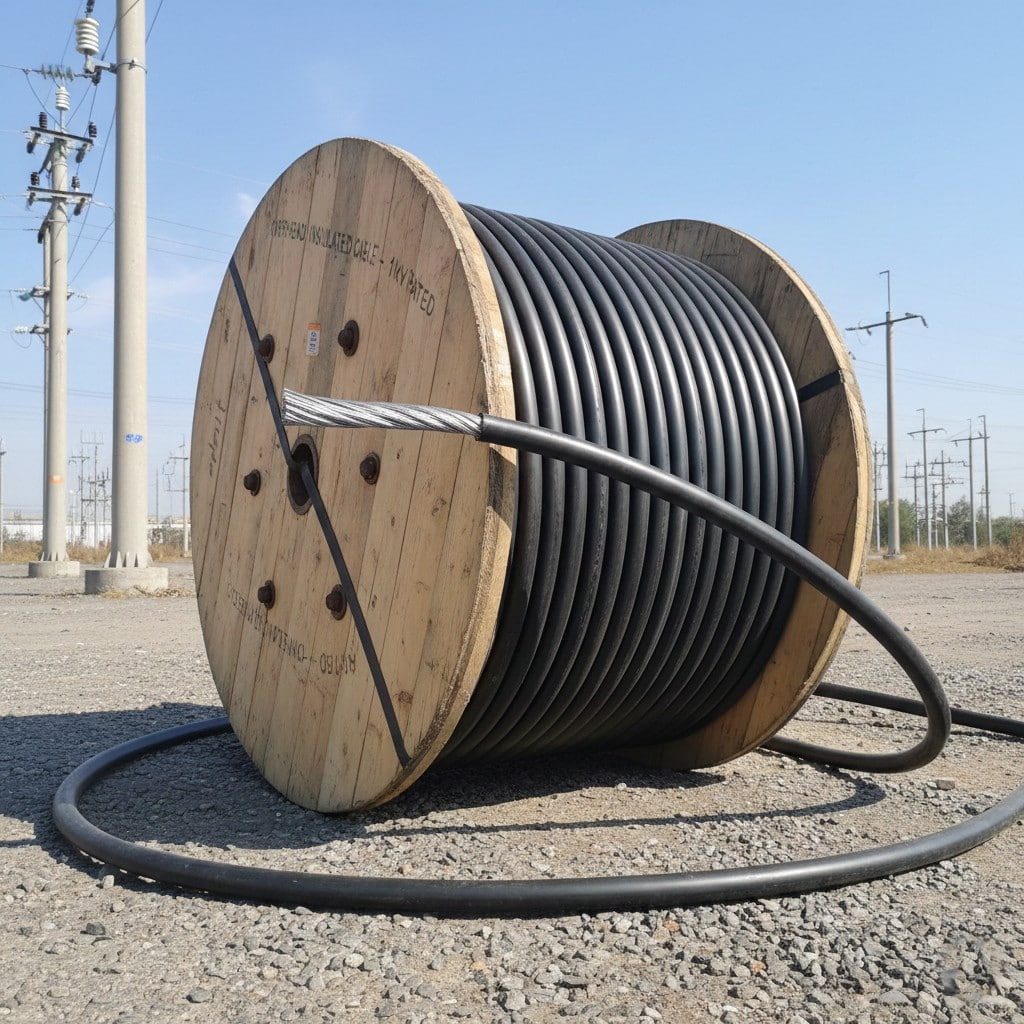 1kV Aerial Bundled Cable for Low-Voltage Distribution NetworksDesigned for overhead lines up to 1kV, this weather-resistant insulated cable is ideal for rural electrification and low-voltage distribution in export projects, offering easy installation and reduced maintenance.View Product →
Qucheng manufactures both configurations. The 1kV aerial bundled cable is a common choice for rural electrification and low-voltage distribution in Southeast Asia and the Middle East, where the factory has supplied projects through its export channel.
The single most common specification error is choosing a conductor based only on ampacity. For bundled LV circuits, route length and reactance can dictate a larger cross-section than the load current alone would suggest.
Custom Overhead Insulated Cable vs Bare Conductor: Practical Circuit Benefits
Insulated overhead conductors reduce weather-related faults, allow tighter clearances, and cut maintenance labor compared with bare conductors, which is why they dominate new urban distribution routes.
Typical maintenance effort, hours per 10 km of line per year
Illustrative comparison from utility maintenance records
| Attribute | Bare conductor | Custom overhead insulated cable |
| Clearance requirement | Large phase spacing | Tighter spacing, reduced right-of-way |
| Vegetation contact risk | High fault probability | Insulated layer reduces fault risk |
| Weather resilience | Exposed to moisture, pollution | XLPE jacket resists UV and moisture |
| Maintenance burden | Frequent tree trimming and inspection | Reduced inspection frequency |
| Initial material cost | Lower | Higher, offset by lower lifetime cost |
Testing, Standards, and Delivery Risks for Custom Overhead Insulated Cable
A custom cable is only as reliable as the tests it passes, so specify routine and type tests before ordering and require test reports with the batch.
Chinese standards GB/T 12527 and GB/T 14049 set the requirements for 1kV and 10kV aerial insulated cables respectively, including insulation thickness, tensile strength, and aging tests. Qucheng operates under ISO9001, ISO14001, and ISO45001 management systems, and holds CB and TÜV certifications for export markets. The factory covers 40,000 square meters and runs a 5G smart manufacturing line with MES, digital monitoring, and automated equipment, enabling full material traceability from conductor rod to finished reel.
- Routine tests - measured on every batch: conductor resistance, insulation resistance, voltage withstand.
- Type tests - validated once per design: aging, UV resistance, mechanical strength.
- Traceability - batch-linked records that tie each reel to raw material and production parameters.
- Carbon footprint - product carbon footprint verification reports are available for models such as JKLYJ-10kV.
40,000 sqmFactory footprint in Yixing, Jiangsu
ISO 9001Quality management system
5G MESDigital manufacturing traceability
CB / TÜVExport certification
Ask for routine and type test reports before mass production; a sample-run approval gate prevents a non-conforming insulation fault from being repeated across an entire project reel order.
Three Specification Mistakes That Break Overhead Insulated Cable Projects
The most costly mistakes are under-specifying UV resistance, ignoring voltage drop in bundled cables, and skipping a sample-run approval gate.
- Under-specifying UV resistance - standard XLPE is not enough for tropical or high-altitude routes; a UV-stabilized compound delays surface cracking that leads to insulation failure.
- Ignoring voltage drop in bundled circuits - the bundled arrangement increases reactance, so a calculation based on bare conductor ampacity can understate voltage drop on a 500-meter feeder.
- Skipping a sample-run approval gate - without a production sample on a pilot line, insulation thickness and concentricity can drift once the full reel order starts.
When you are ready to lock a specification, contact our team with the route parameters and fault history. Qucheng will return a data sheet ready for review.
Frequently Asked Questions
The answers below cover the four questions distribution engineers ask most often when sourcing a custom overhead insulated cable.
What is a custom overhead insulated cable?
A custom overhead insulated cable is an overhead conductor with weather-resistant XLPE insulation engineered to a buyer's specification for voltage, cross-section, and environmental exposure, produced for a specific distribution route rather than as a stock product.
What voltage classes are available for overhead insulated cables?
Qucheng supplies overhead insulated cables rated at 1kV and below and 10kV. The 10kV range covers medium-voltage distribution feeders, while the 1kV range serves low-voltage aerial bundled networks.
How do I choose the conductor cross-section for a custom overhead insulated cable?
Calculate the continuous load current and allow for future growth, then verify voltage drop over the route length. For bundled LV circuits, add a voltage-drop check because conductor arrangement affects reactance.
Can Qucheng export custom overhead insulated cables?
Yes. The company exports power and overhead cable products to Southeast Asia and the Middle East, and holds ISO9001, ISO14001, ISO45001, CB, and TÜV certifications to support international project compliance.
Write the specification so a third-party inspector can verify it. Clear voltage, cross-section, configuration, and test requirements are what turn a custom cable order into a repeatable procurement process.
Related products
-
-

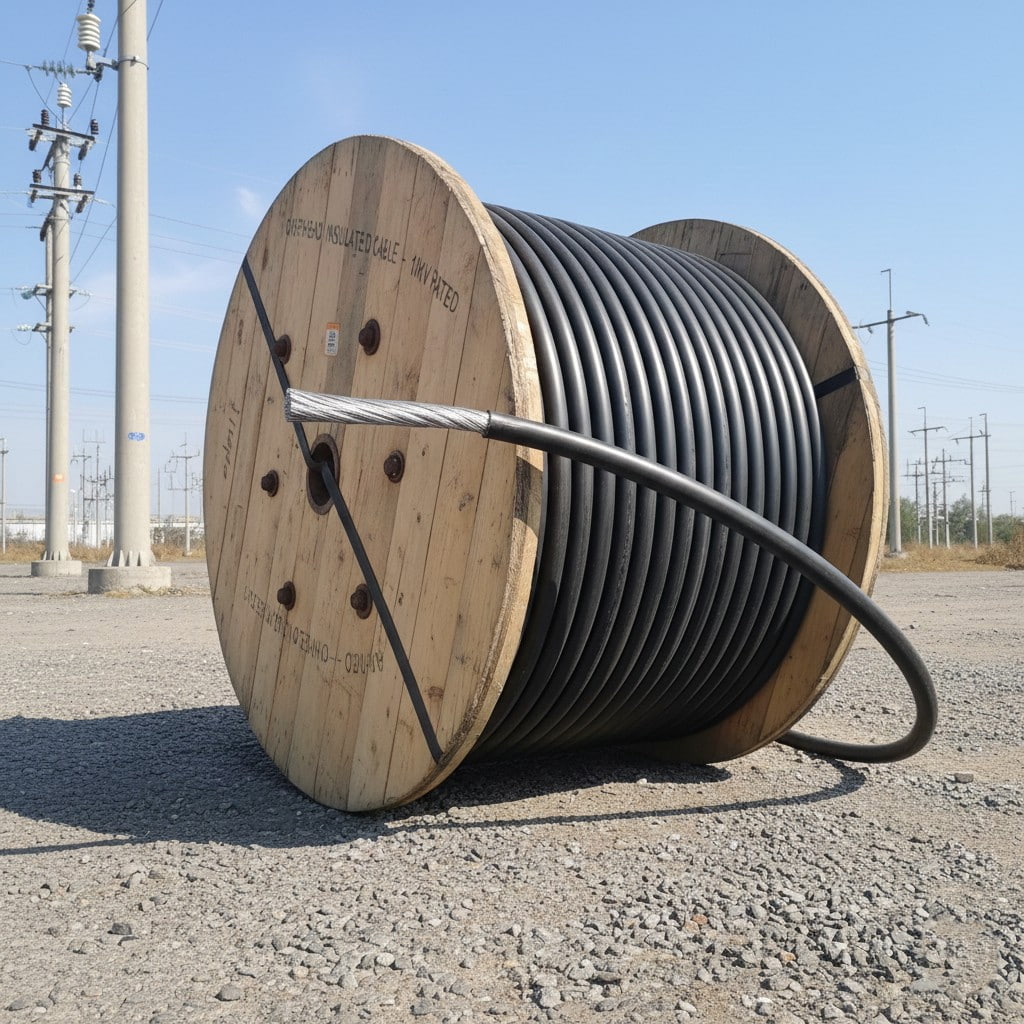
Product Overview: Designed specifically for overhead power line installation, this product is suitable for distribution lines with a rated voltage of 1kV and below, making it an ideal choice for urban...
See Details -
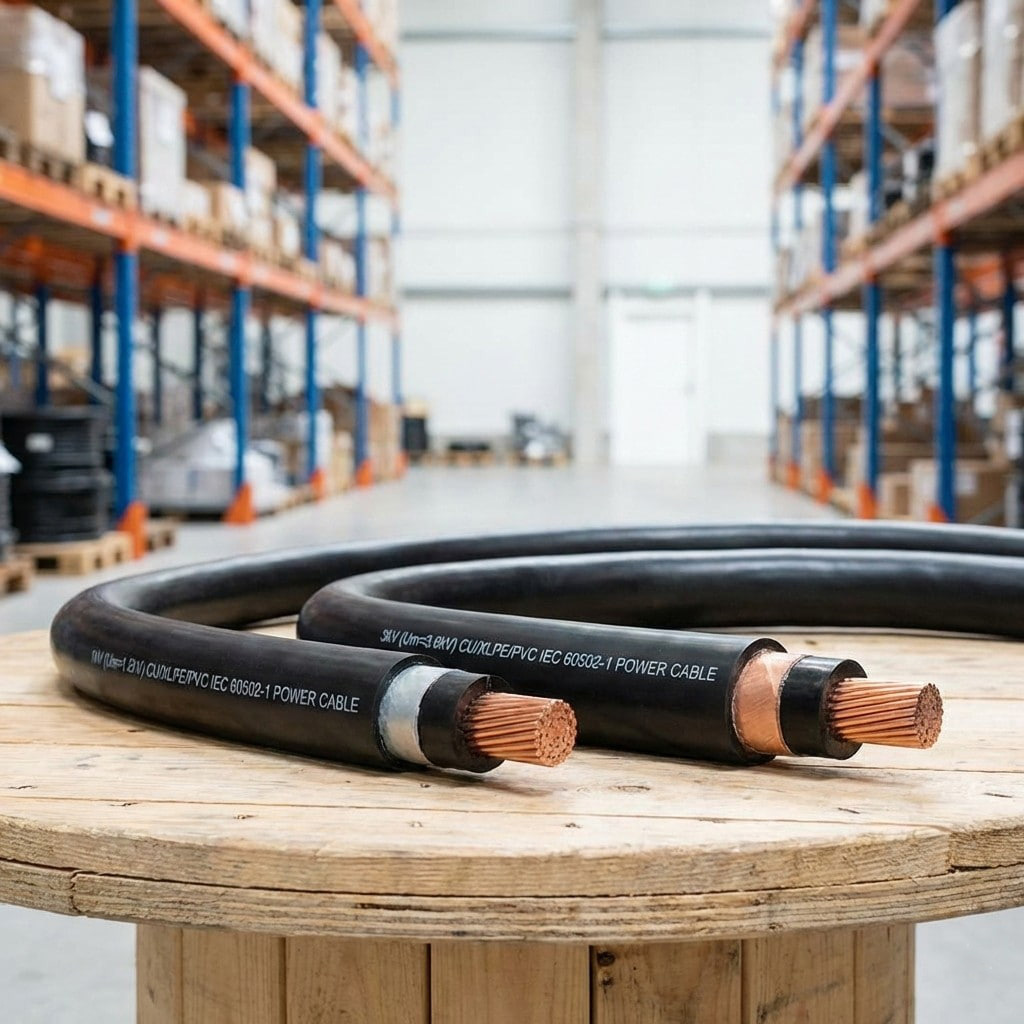
Product Definition: Low-voltage extrusion-insulated power cable for 1kV and 3kV systems, made with high-conductivity copper or aluminum conductors and premium extrusion insulation.
See Details -
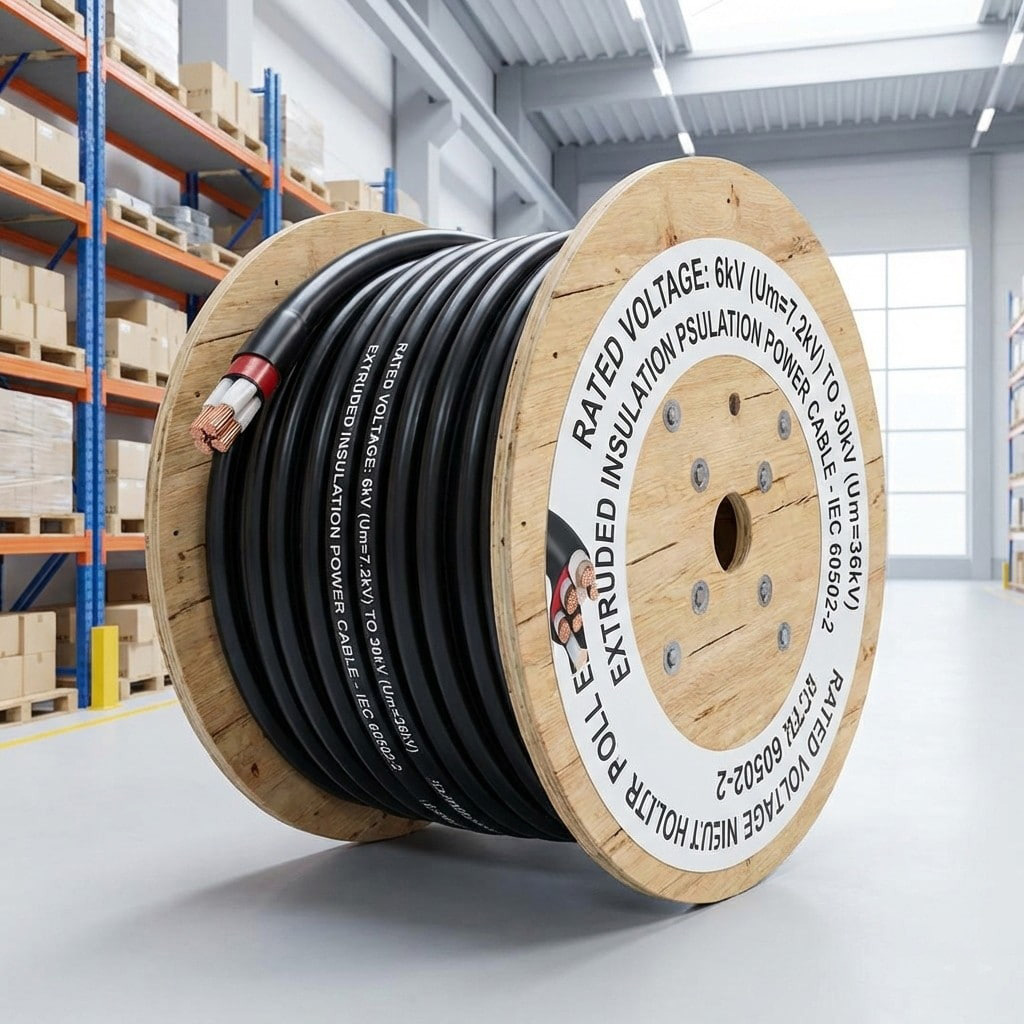
Product Definition: Medium-voltage extrusion-insulated power cable for 6kV to 30kV systems, using high-quality copper or aluminum conductors and premium insulation materials, designed for medium-volta...
See Details -
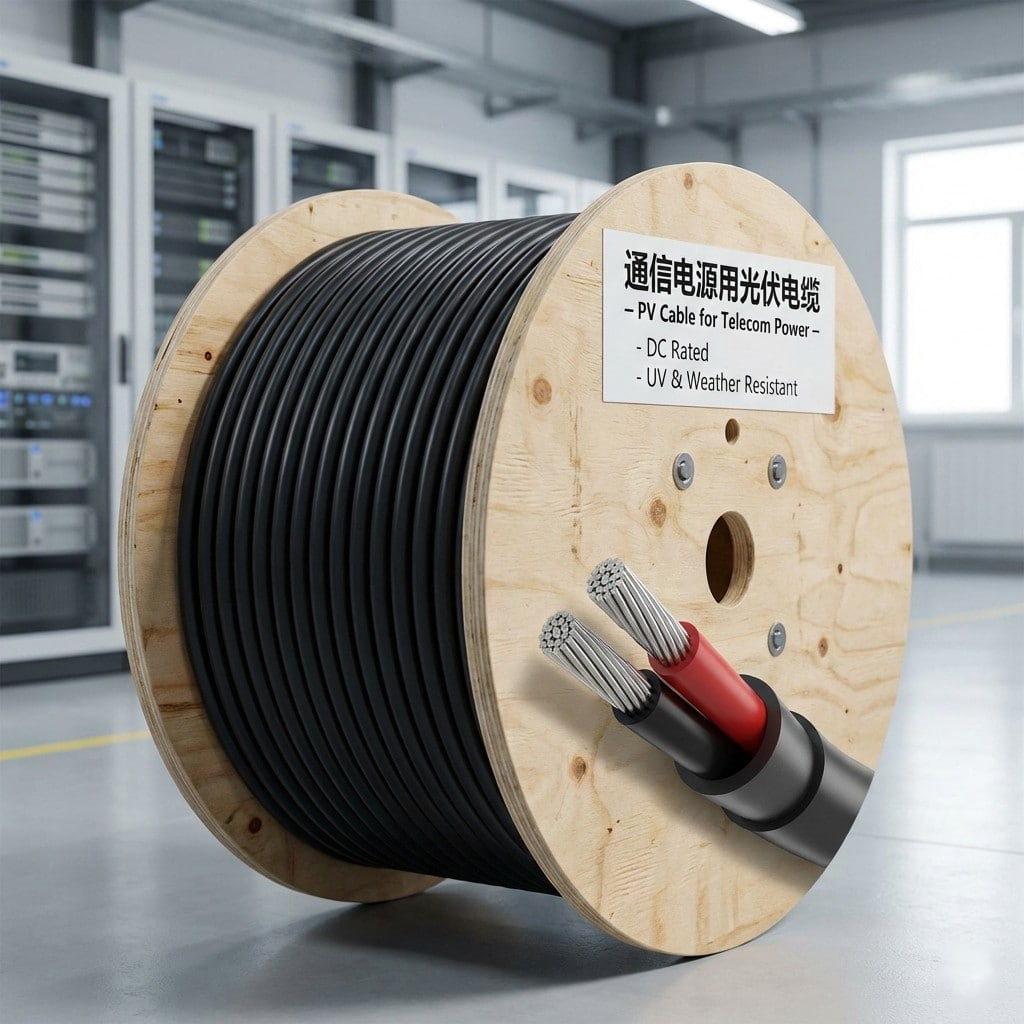
Product Overview: Designed specifically for photovoltaic power supply systems in communication base stations, data centers, etc., this product transmits DC power from photovoltaic modules to communica...
See Details -
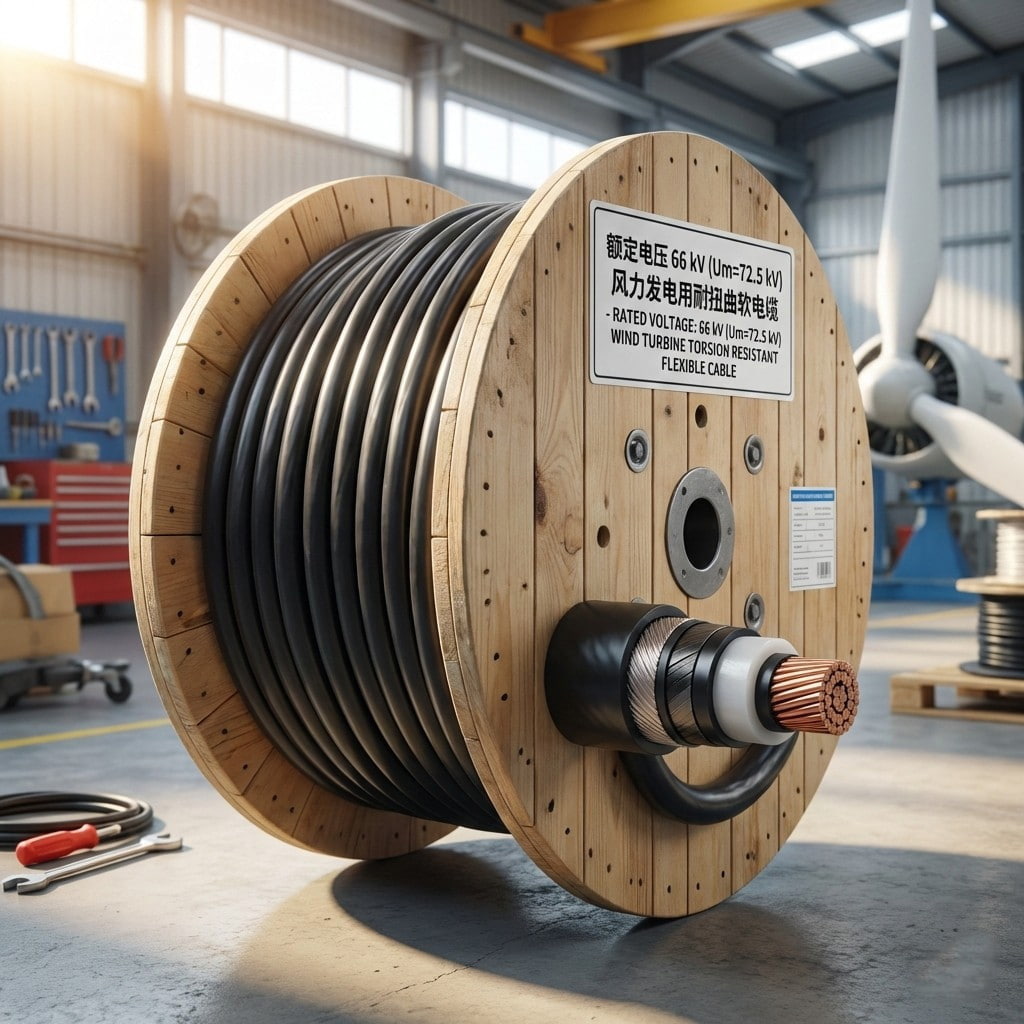
Product Introduction: This cable is specifically designed for medium- and high-voltage wind power generation equipment, with a rated voltage of 66 kV. It is suitable for high-reliability power transmi...
See Details
- About Us
- Company Profile
- History
- Smart Factory
- Resources
- Resources
- Technical Datasheets
- Product Catalogs
- Certificates & Compliance
- Industry Standards
- FAQs
- News
- Products
- Power Cables
- Electrical Equipment Cables
- Wind Power Cables
- Photovoltaic / Energy Storage Cables
- Overhead Cables
- Rail Transit
- Contact
- Contact
- Contact Meaia
-
Mobile QR code

Back to top

