English
 中文简体



-- Steady & Reliable Manufacturer --
01 Product Overview
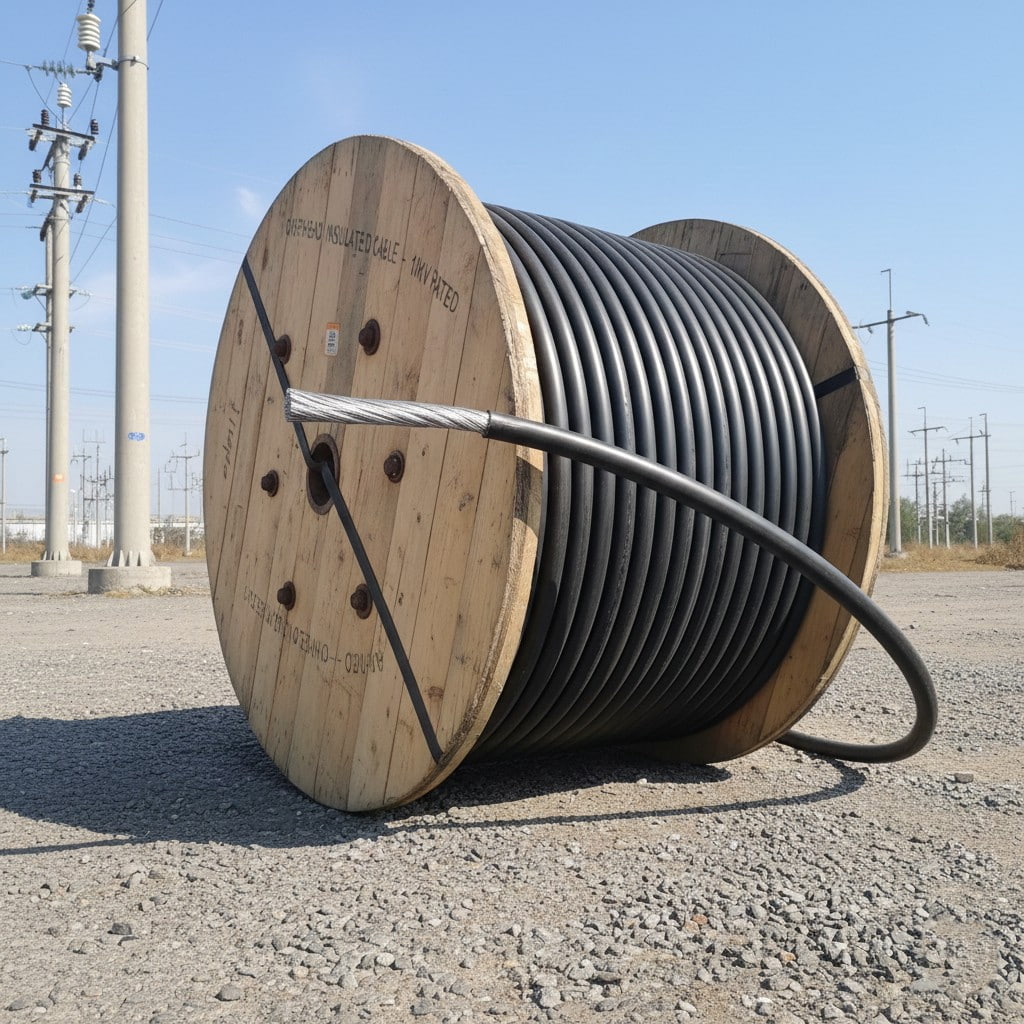
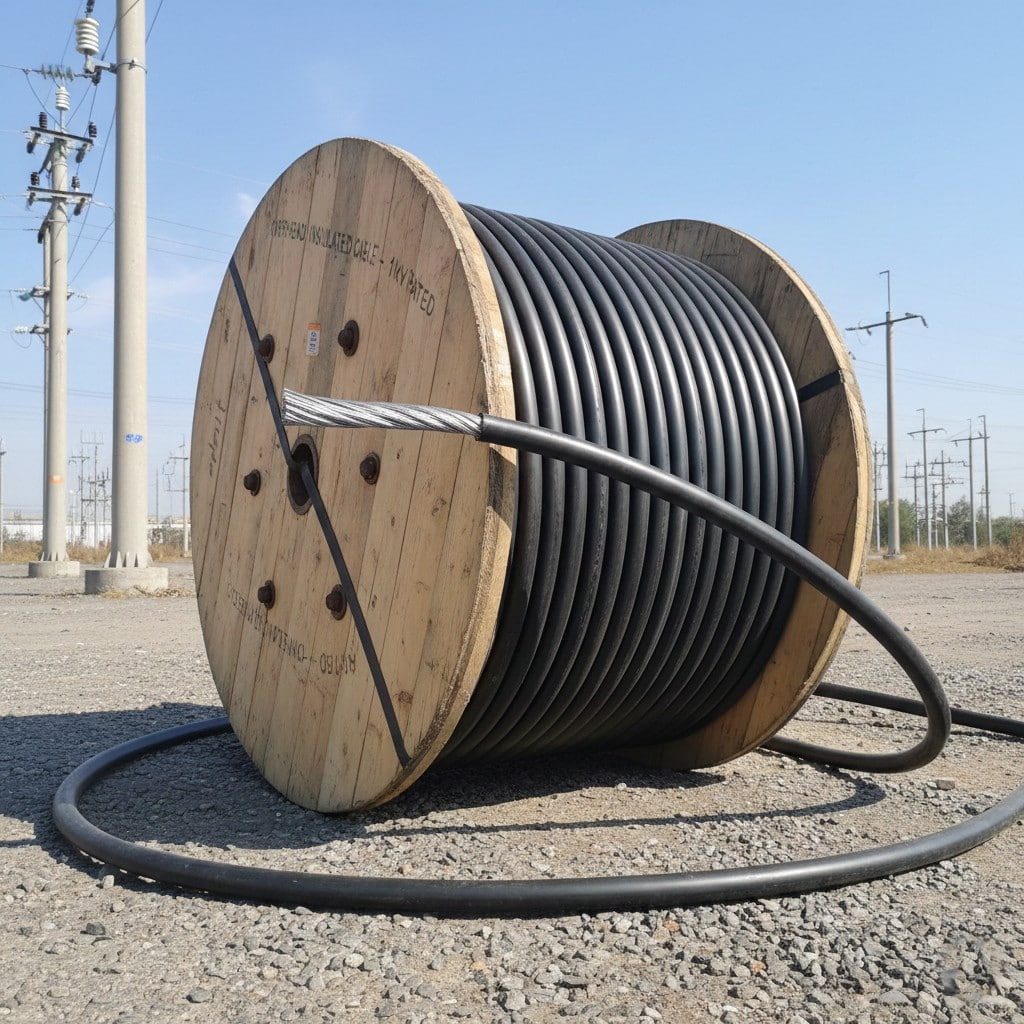
Overhead insulated cables are used for overhead power distribution lines where conductors are covered with an insulating layer rather than left bare. The insulated construction reduces the risk of contact with vegetation, buildings, and birds, and allows closer spacing between phase conductors than bare wire systems. These cables are commonly used in rural electrification, urban distribution where overhead lines pass close to structures, and in areas with high lightning or pollution exposure. The standard construction consists of a compacted stranded aluminum conductor, XLPE or HDPE insulation, and in some designs an outer layer for tracking resistance and UV protection. Some configurations include a bare messenger conductor or a supporting neutral for mechanical tensioning. Our overhead insulated cables are manufactured to IEC 61089 conductor requirements and relevant insulation standards, with designs matched to the voltage class and mechanical load conditions of the line.
02 Company Profile
Jiangsu Qucheng Cable Technology Co., Ltd., established in 2018, operates a 40,000-square-meter factory in Yixing, Jiangsu. Our production range includes overhead insulated cables for distribution networks, produced on dedicated extrusion lines with inline dimensional and spark testing. We hold ISO9001, ISO14001, and ISO45001 certifications and maintain a testing center for electrical, mechanical, and aging tests. Our 5G-based smart manufacturing system records production parameters and supports traceability of each cable length. Overhead distribution cables from our factory are supplied to grid projects and rural electrification programs in Southeast Asia and the Middle East.
03 Application Fields
- Rural Rural electrification - Distribution lines in areas where vegetation contact with bare conductors is a concern.
- Urban Urban distribution - Overhead lines passing close to buildings where insulated conductors reduce contact risk.
- Coastal Coastal and polluted areas - Lines exposed to salt spray or industrial pollution where tracking-resistant insulation is required.
- Branch Service drops and branches - Connections from main distribution lines to individual consumers.
- Retrofit Bare wire replacement - Upgrading existing overhead lines to insulated construction without changing pole spacing.
04 Technical Specifications
| Rated Voltage | 0.6/1 kV, 10 kV, 20 kV, 35 kV |
| Conductor Material | Aluminum (compacted stranded) or aluminum alloy; copper on request |
| Conductor Size | 25 mm² to 240 mm² (aluminum) |
| Insulation Material | XLPE or HDPE; tracking-resistant XLPE for polluted areas |
| Insulation Thickness | 1.0 mm to 3.4 mm depending on voltage class |
| Construction Types | Single-core, duplex, triplex, quadruplex; with or without messenger |
| Messenger Conductor | Aluminum alloy or galvanized steel, sized to line tension |
| UV Resistance | Insulation compound stabilized for continuous outdoor exposure |
| Operating Temperature | -40°C to +90°C (XLPE); +80°C (HDPE) |
| Standards | IEC 61089, IEC 60502-2, BS 7870 (as applicable) |
05 Key Features & Core Characteristics
- Contact Insulated conductors reduce the risk of contact with trees, structures, and birds compared with bare wire lines.
- Spacing Insulated construction allows reduced phase spacing and tighter clearances, which can simplify pole design.
- Tracking Tracking-resistant insulation grades are available for coastal, industrial, and humid environments.
- UV Insulation compounds are stabilized against UV degradation for continuous outdoor service.
- Tension Messenger-supported constructions carry mechanical tension separately from the insulated phase conductors.
- Weight Aluminum conductors reduce line weight compared with copper, allowing longer spans at the same pole strength.
06 Technical Notes
Overhead insulated cable design starts from the mechanical load case of the line: span length, wind and ice loading, and sag limits determine the messenger and conductor cross-section. The insulation thickness is set by the voltage class and by the pollution level of the route, with tracking-resistant compounds specified where salt or industrial deposits accumulate on the surface. For 10 kV to 35 kV classes, insulation thickness and end treatment follow the relevant standard for covered overhead conductors. Joints and terminations require fittings matched to the insulation type, and installation crews should use tools that do not damage the insulation surface. Our production lines apply inline spark testing to detect insulation faults, and dimensional checks are recorded for each production run. For projects specifying a particular standard or utility type test, we confirm the referenced standard at the quotation stage and provide test reports for the delivered construction.
07 Frequently Asked Questions
Furthermore, the company has integrated a 5G-based smart manufacturing system, enabling digital monitoring of the production process and full quality traceability, thereby enhancing efficiency and product consistency. Qucheng Cable is committed to providing safe, reliable, and high-performance cable solutions for global customers.