English
 中文简体



-- Steady & Reliable Manufacturer --
01 Product Overview
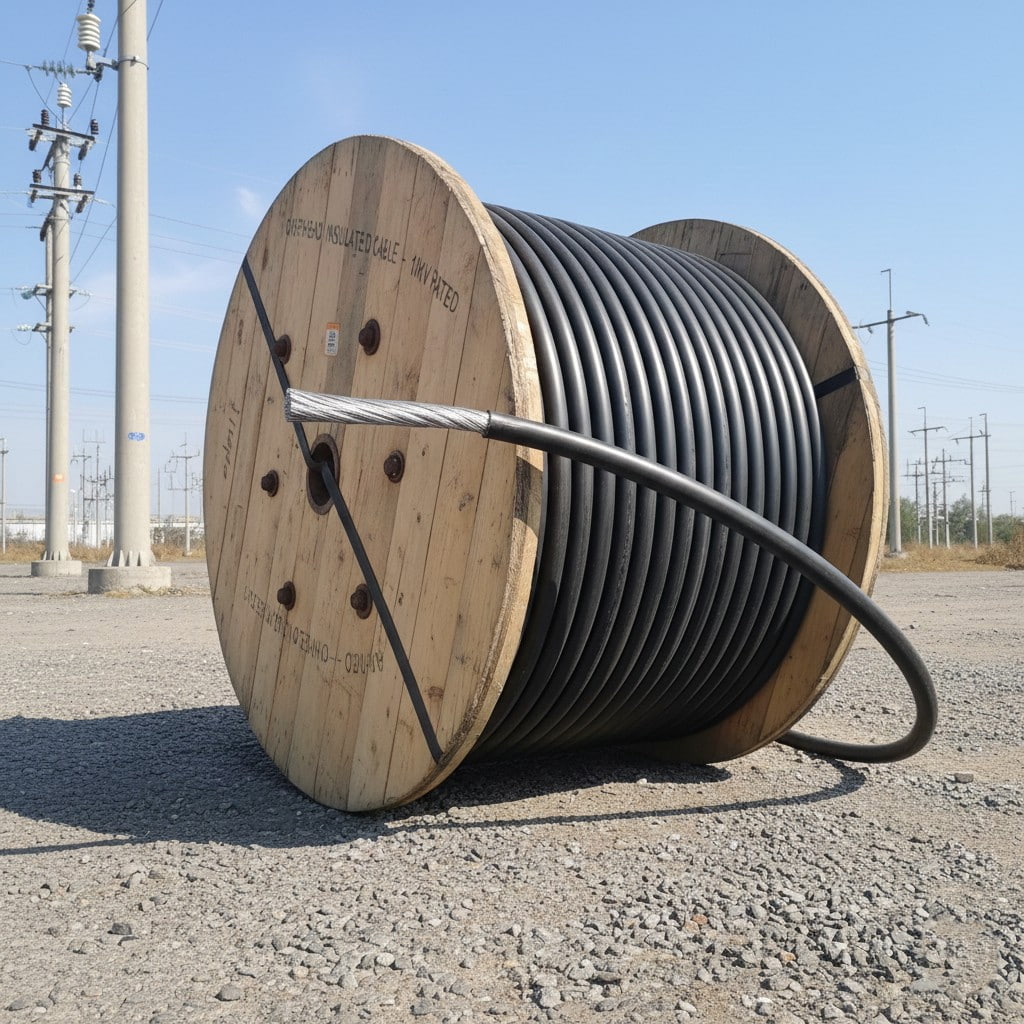
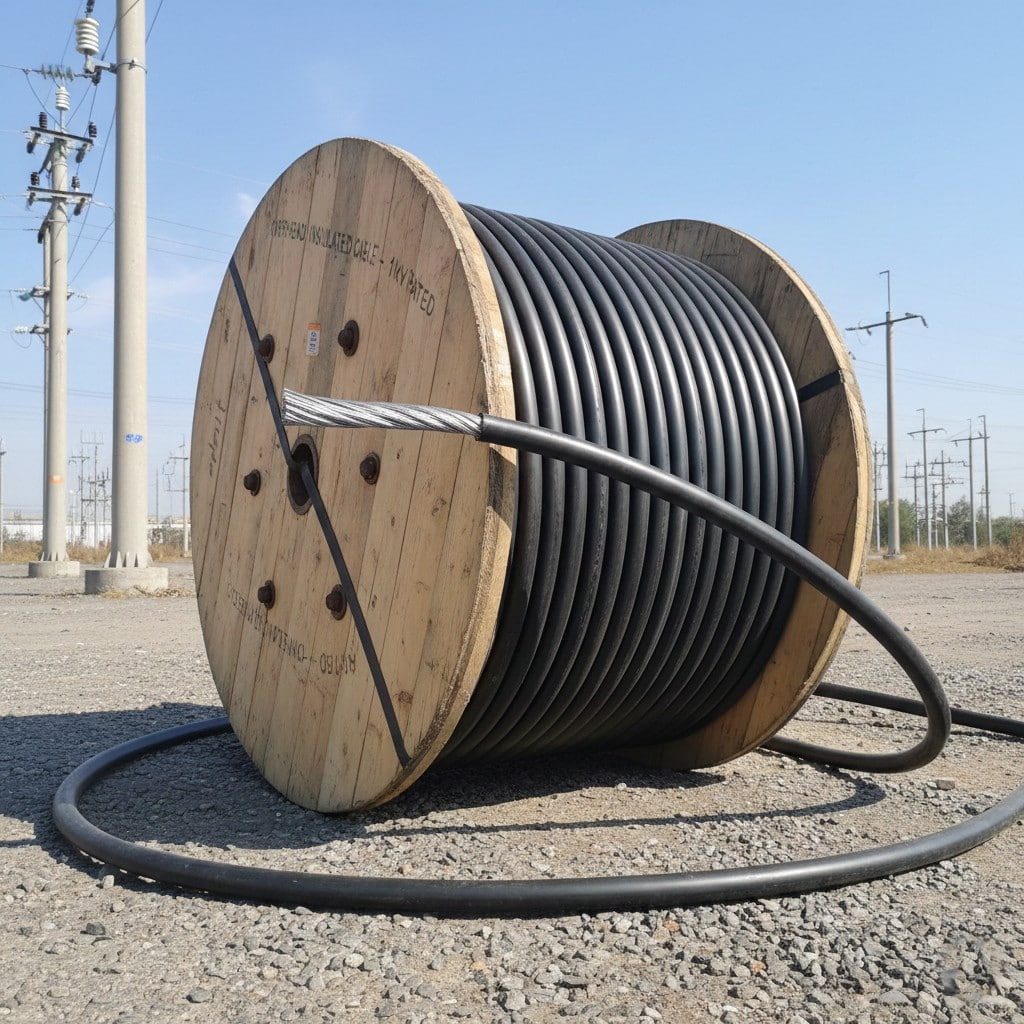
Cable supply for Middle East projects must account for the region's environmental conditions and project approval frameworks. Ambient temperatures in Gulf countries routinely exceed 45°C in summer, and cables installed in exposed routes, outdoor substations, or non-conditioned buildings operate at higher conductor temperatures than the standard reference conditions used for current rating tables. Solar radiation, sand and dust exposure, and in coastal areas salt-laden air also affect cable selection. Project approval in the region commonly references IEC standards, with additional requirements from national utilities and project consultants, and documentation expectations are typically detailed. Constructions for the region usually require XLPE insulation for thermal margin, LSZH or PVC sheathing depending on the location, UV-stabilized compounds for exposed routes, and where specified, tracking-resistant insulation for outdoor terminations. Our cables are manufactured to IEC standards with test documentation suitable for the region's project acceptance processes.
02 Company Profile
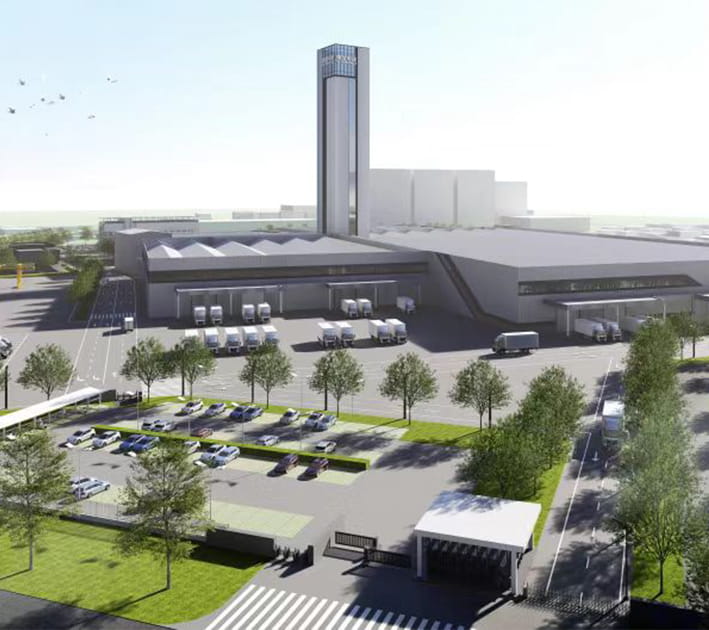
Jiangsu Qucheng Cable Technology Co., Ltd., established in 2018, operates a 40,000-square-meter factory in Yixing, Jiangsu, with production lines for power, control, and new energy cables. Our management systems are certified to ISO9001, ISO14001, and ISO45001, and our product range includes CB-certified and TÜV-certified cable types. Our 5G-based smart manufacturing system records production parameters and material batches for traceability, and our testing center supports the routine and sample tests required for project documentation. We supply cable to grid, industrial, and infrastructure projects in the Middle East, with documentation prepared against the project specification and consultant requirements.
03 Application Fields
- Grid Substation and distribution projects - Medium- and low-voltage cables for utility substations and distribution networks.
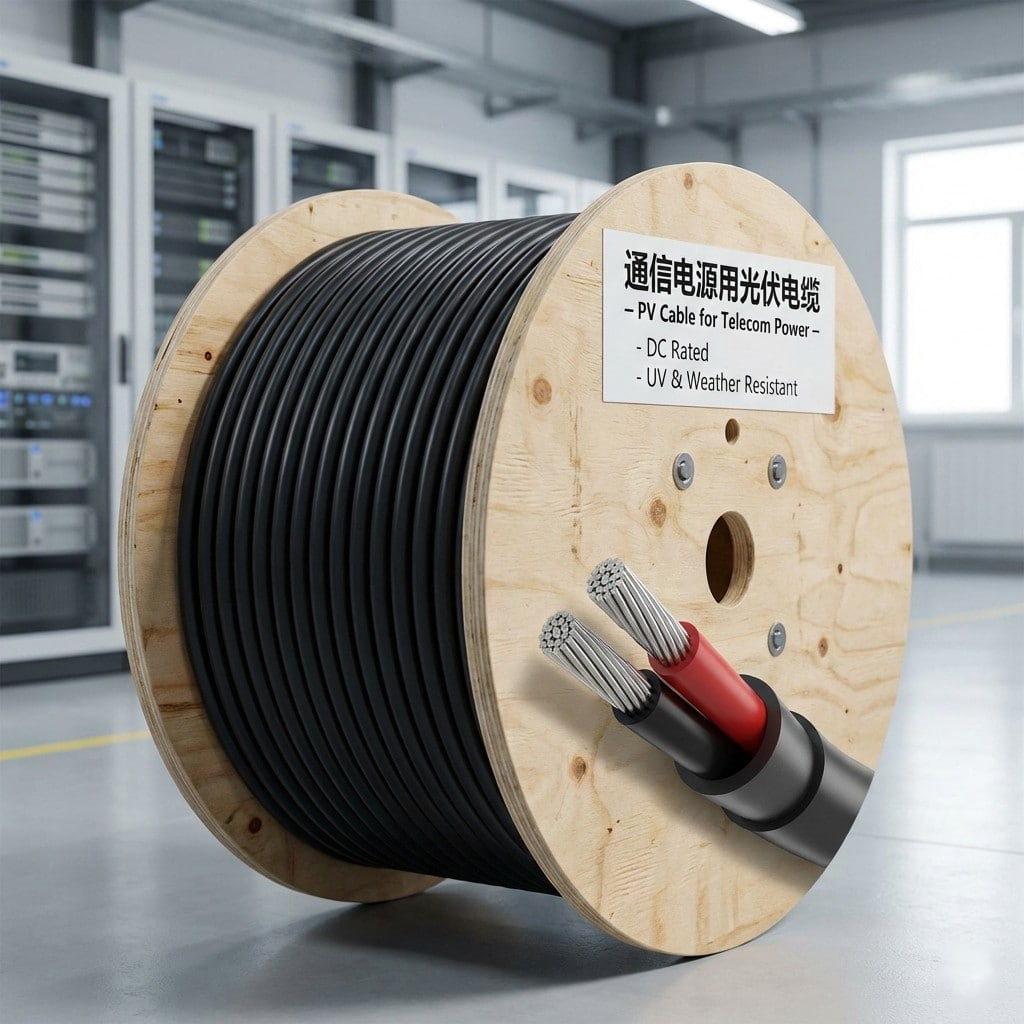
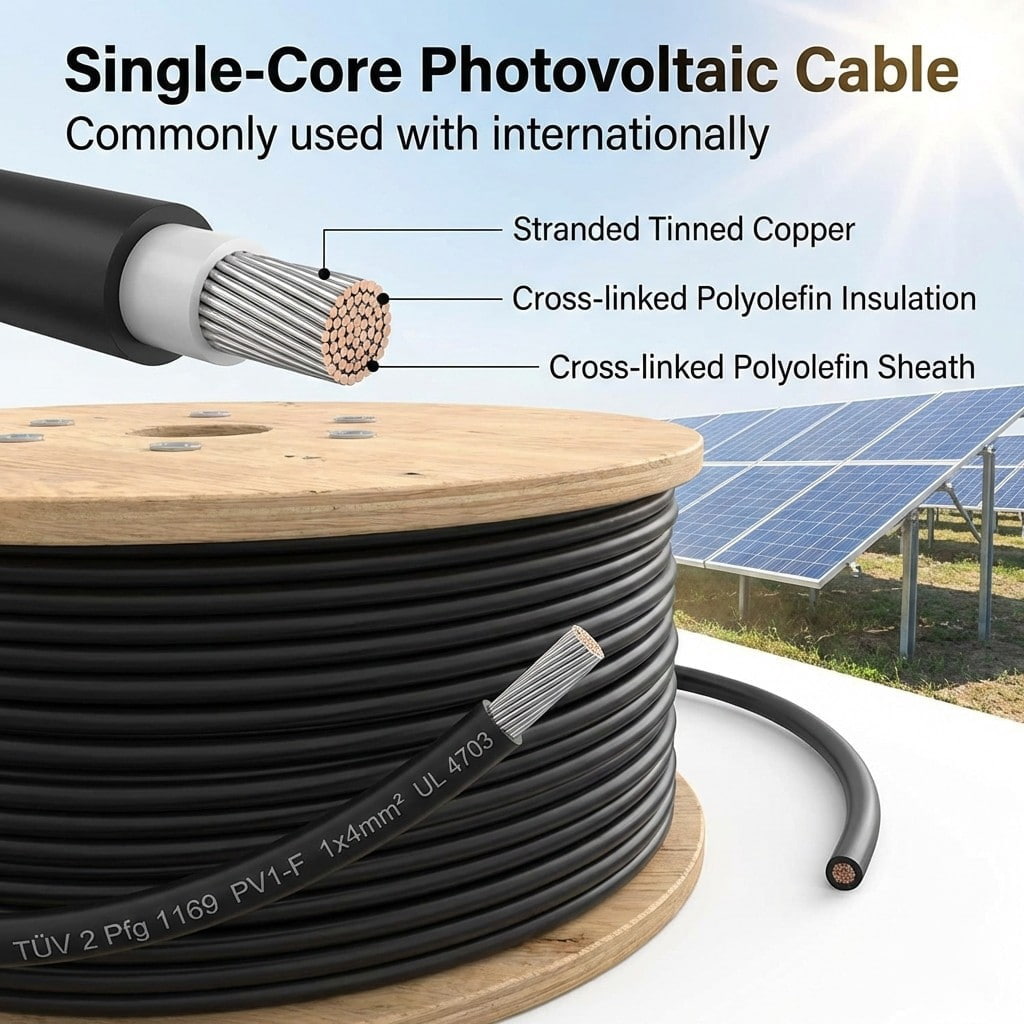
- Solar Utility-scale solar plants - PV and collector cables for the region's large solar installations, where high temperature and UV exposure dominate.
- Industrial Oil, gas, and petrochemical facilities - Power and control cables for process plants where flame retardance and chemical resistance are specified.
- Building Commercial and infrastructure construction - Building service cables for airports, hospitals, and large developments.
- Coastal Coastal and desalination projects - Cables exposed to salt-laden air and humidity, requiring tracking-resistant and moisture-resistant construction.
04 Technical Specifications
| Applicable Standards | IEC 60502-1, IEC 60502-2, IEC 60227, IEC 62930 (PV) |
| Voltage Classes | 300/500V, 450/750V, 0.6/1 kV, 6/10 kV to 26/35 kV |
| Conductor Material | Copper or aluminum, Class 1, 2, or 5 per IEC 60228 |
| Insulation Material | XLPE (standard for thermal margin); PVC for lower-temperature applications |
| Sheath Material | LSZH or PVC; UV-stabilized grade for exposed routes |
| Ambient Design Temperature | Current ratings calculated for 45°C to 55°C ambient where specified |
| UV Resistance | UV-stabilized compounds for outdoor and exposed installations |
| Certification Support | CB test certificate and test reports for project approval |
05 Key Features & Core Characteristics
- Thermal XLPE insulation provides the thermal margin needed where ambient temperatures reduce current capacity.
- UV UV-stabilized sheathing grades resist solar degradation on exposed routes and outdoor installations.
- Salt Tracking-resistant insulation grades are available for coastal and desalination projects exposed to salt-laden air.
- Rating Current ratings are calculated for the actual ambient and installation conditions of the project, not generic reference tables.
- Docs Test reports and certificates are organized for project consultant and utility acceptance.
- Trace Batch marking links delivered cable to production records and material certificates.
06 Technical Notes
Cable selection for Middle East projects begins with the ambient temperature and installation conditions. Gulf summer temperatures above 45°C reduce the current capacity of cables installed in air, and the difference is significant enough that using generic rating tables can result in undersized cable. Current ratings should be calculated for the actual ambient temperature, installation method, and grouping conditions of the project. Solar exposure degrades standard sheathing compounds, so UV-stabilized grades are specified for outdoor routes. In coastal areas, salt deposits on insulation surfaces can cause tracking, so tracking-resistant compounds are used for outdoor terminations and overhead routes. Project approval in the region commonly references IEC standards with additional utility and consultant requirements, and documentation expectations are detailed, so the specification should be reviewed item by item at the quotation stage.
07 Frequently Asked Questions
Furthermore, the company has integrated a 5G-based smart manufacturing system, enabling digital monitoring of the production process and full quality traceability, thereby enhancing efficiency and product consistency. Qucheng Cable is committed to providing safe, reliable, and high-performance cable solutions for global customers.