English
 中文简体



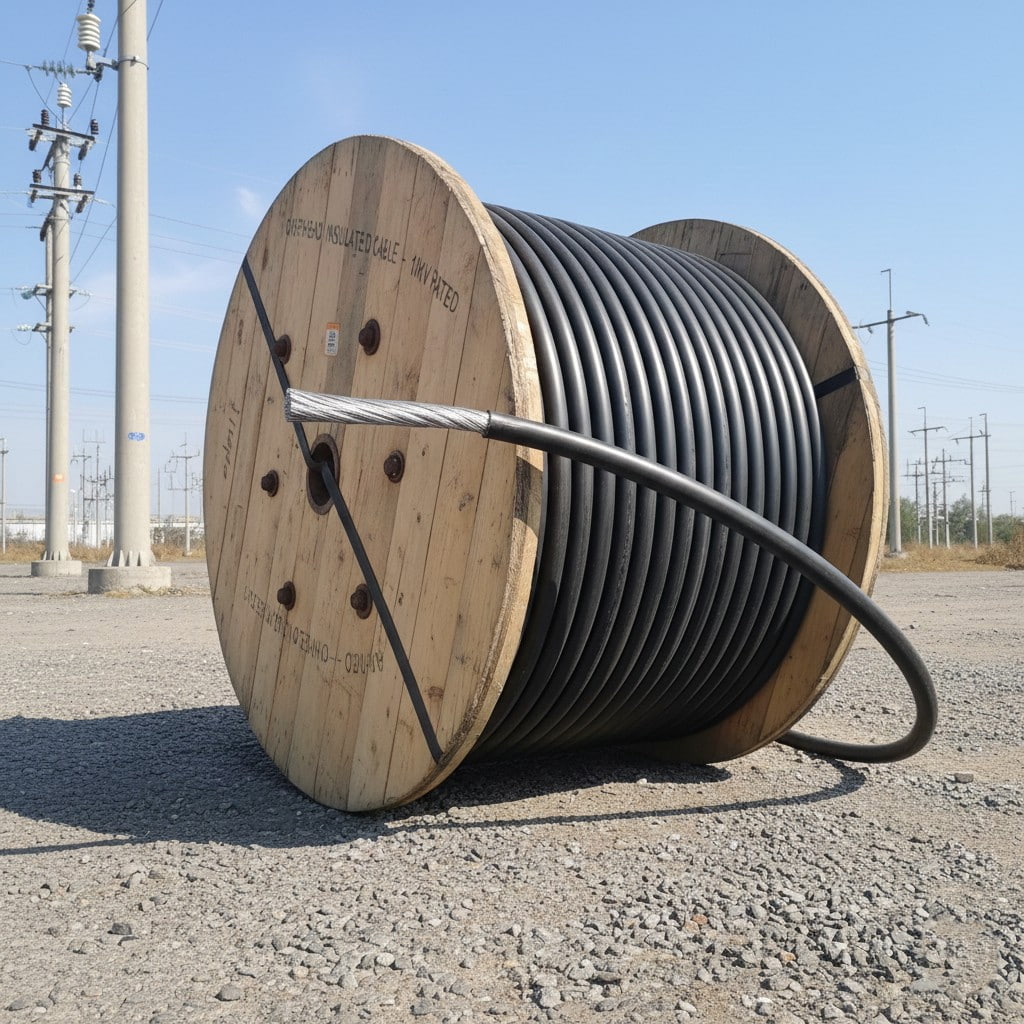
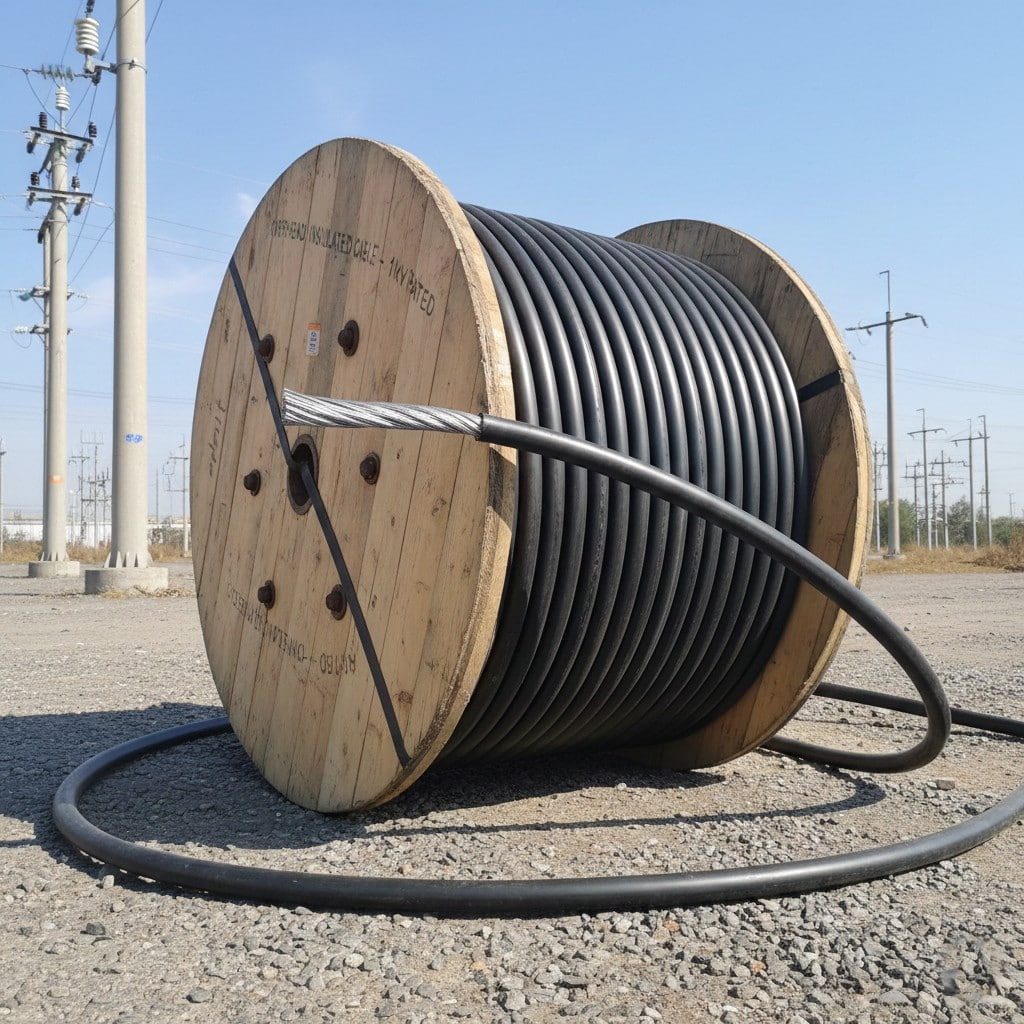
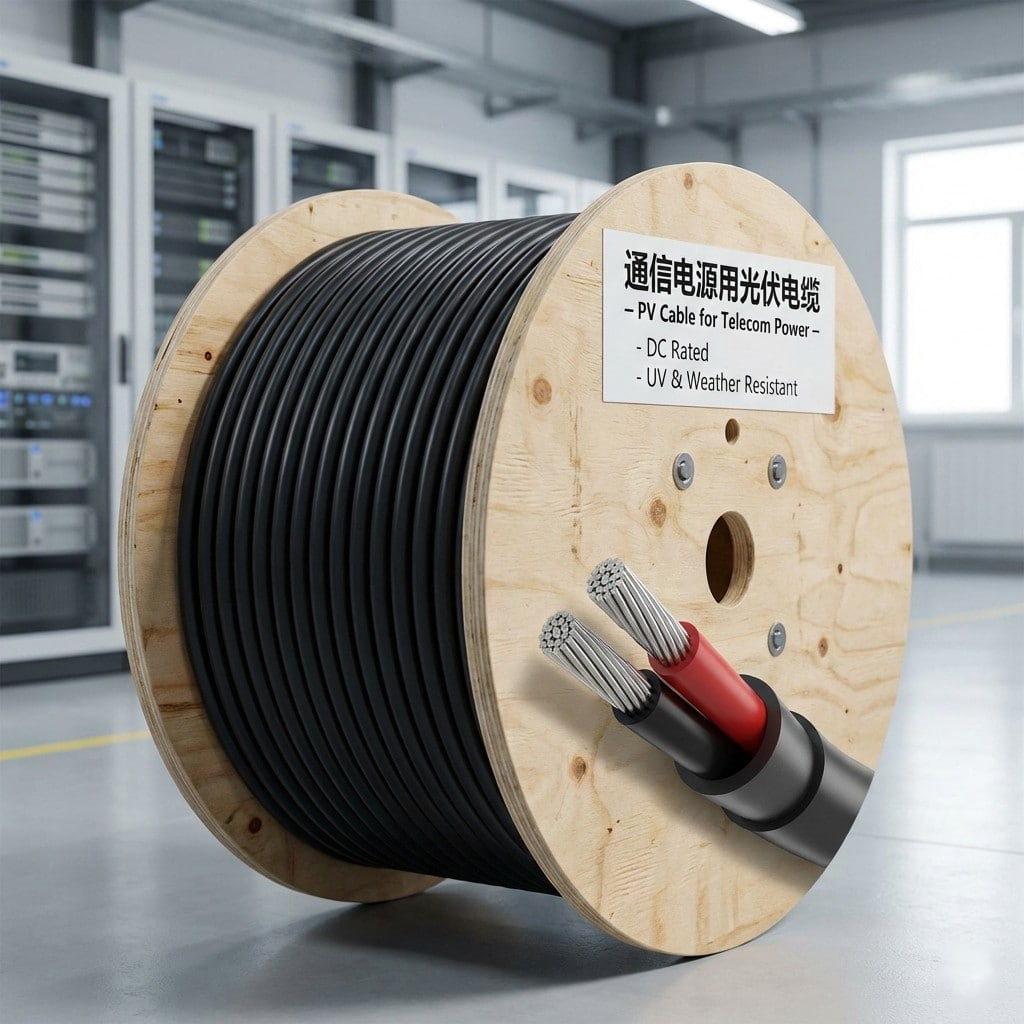
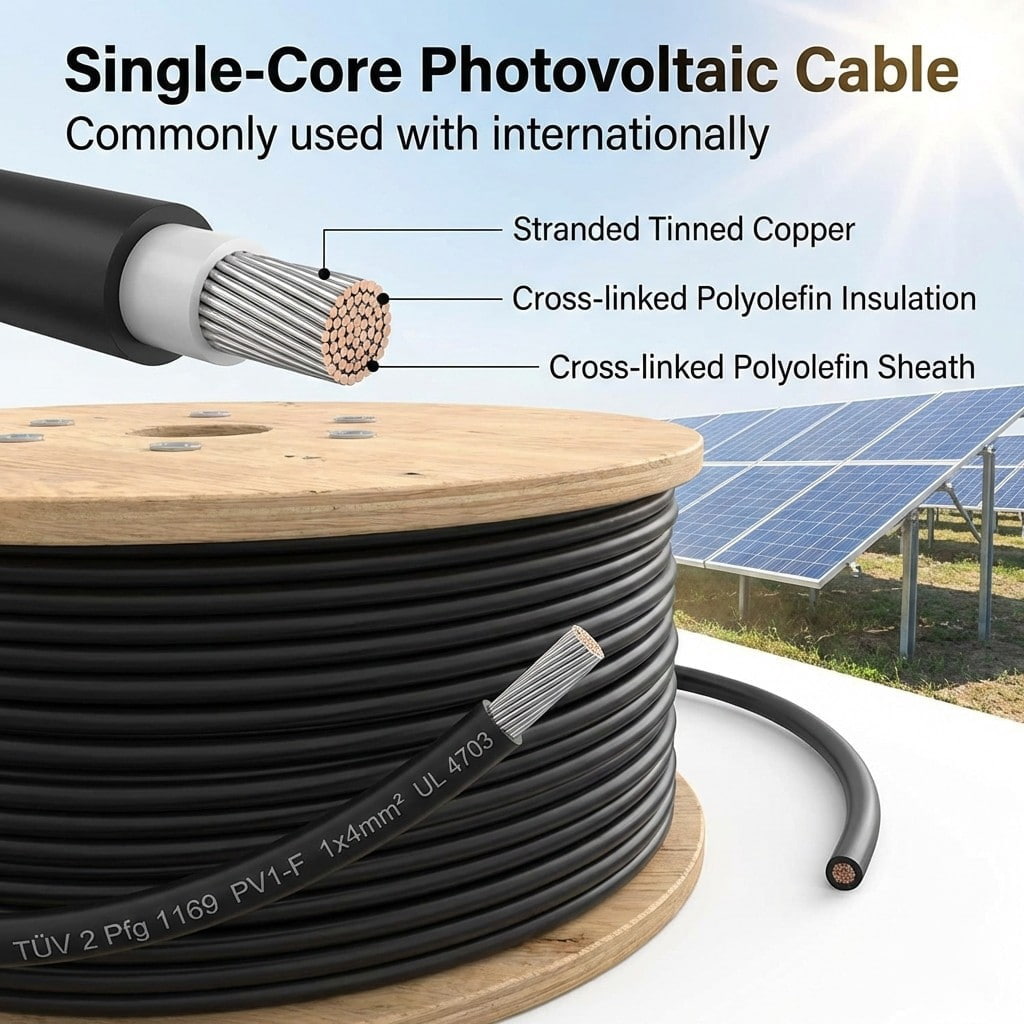
-- Steady & Reliable Manufacturer --
01 Product Overview
Solar PV system cabling covers the DC circuits from module to module, module to string combiner, combiner to inverter, and the AC circuits from inverter to grid connection. The DC side is the more specialized part: cables are exposed to continuous outdoor conditions, operate at 1.5 kV or 1.8 kV DC, and carry current under high ambient temperatures on rooftops where module-level temperatures can exceed 70°C. PV cable construction uses tinned copper conductors for corrosion resistance, cross-linked polyolefin or XLPE insulation, and UV-stabilized halogen-free sheathing rated for at least 25 years of outdoor service. Connectors for module and string connections must match the cable type and be rated for the system voltage and current, with IP68 sealing for outdoor exposure. Our PV cables are manufactured to EN 50618 and IEC 62930, and we supply matching connector sets and accessories for complete DC string assemblies.
02 Company Profile
Jiangsu Qucheng Cable Technology Co., Ltd., established in 2018, operates a 40,000-square-meter factory in Yixing, Jiangsu, with dedicated production lines for PV and new energy cables. Our testing center performs insulation resistance, voltage withstand, UV exposure, and flame retardance testing, and our 5G-based smart manufacturing system records production parameters and material batches for traceability. We hold ISO9001, ISO14001, and ISO45001 certifications, along with TÜV and CB product qualifications. Our PV cables comply with EN 50618, IEC 62930, and TÜV 2 Pfg 1169/08.2021, and are supplied to solar projects in Southeast Asia and the Middle East with matching connectors and accessories where required.
03 Application Fields
- String Module-to-module string wiring - Short DC jumpers between panels on rooftops and ground mounts.
- Combiner String-to-combiner connections - DC home runs from strings to combiner boxes in utility-scale plants.
- Inverter Combiner-to-inverter DC links - Main DC cables carrying combined string current to the inverter.
- AC Inverter-to-grid AC circuits - AC output cables from inverters to transformers and switchgear.
- Rooftop Commercial and residential rooftop systems - Installations where cable routing follows roof structures and high ambient temperatures apply.
04 Technical Specifications
| Rated Voltage DC | 1.5 kV DC (EN 50618); 1.8 kV DC (IEC 62930) |
| Rated Voltage AC | 0.6/1 kV AC |
| Conductor Material | Tinned annealed copper, Class 5 per IEC 60228 |
| Conductor Size | 2.5 mm² to 35 mm² (AWG 14 to AWG 2) |
| Insulation Material | Cross-linked polyolefin or XLPE |
| Sheath Material | UV-stabilized halogen-free cross-linked polyolefin |
| Sheath Color | Black (standard); red for positive conductors on request |
| Temperature Range | -40°C to +90°C; +120°C short circuit (5 seconds) |
| UV Resistance | 1,000 hours UV exposure per UL 4703 or EN 50618 |
| Connector Rating | 1,500 V DC, 30 A to 45 A, IP68, TÜV or UL listed |
| Standards | EN 50618, IEC 62930, TÜV 2 Pfg 1169/08.2021 |
05 Key Features & Core Characteristics
- UV Sheath compound is stabilized for continuous outdoor exposure, maintaining flexibility and surface integrity over the service life.
- Corrosion Tinned copper conductors resist oxidation at connection points and in coastal installations where untreated copper corrodes.
- Heat Cross-linked insulation maintains electrical properties at rooftop temperatures that exceed the limits of thermoplastic insulation.
- Halogen Halogen-free construction meets IEC 60754-2, relevant where cables run inside buildings before reaching the inverter.
- Connector Matching connector sets are rated for the same DC voltage and current as the cable, with IP68 sealing for outdoor mating.
- Life Cable and connectors are specified for a service life matching the 25-year design life of the PV modules.
06 Technical Notes
PV DC circuits are not simply low-voltage power circuits. The array operates at maximum power voltage under load and at open-circuit voltage when unloaded, and the open-circuit voltage rises as module temperature falls, so string voltage at the coldest expected temperature must stay below the cable and connector rating. Cable sizing on the DC side is driven by current carrying capacity at the actual rooftop or ground-mount temperature, and by voltage drop, which affects yield on long home runs. Connectors are a common failure point in PV systems: mismatched connector brands, improper crimping, and water ingress at the mating interface cause resistance heating and, in some cases, arc faults. We recommend using connectors from a single matched system, crimped with the tool specified by the connector manufacturer, and torqued to the specified value. Where cables enter buildings or run in cable trays indoors, the halogen-free and flame retardant properties of the cable become relevant to code compliance. Our production records include UV exposure and electrical test results for each production run, which can be supplied with delivery documentation.
07 Frequently Asked Questions
Furthermore, the company has integrated a 5G-based smart manufacturing system, enabling digital monitoring of the production process and full quality traceability, thereby enhancing efficiency and product consistency. Qucheng Cable is committed to providing safe, reliable, and high-performance cable solutions for global customers.