
 English
  中文简体
中文简体 

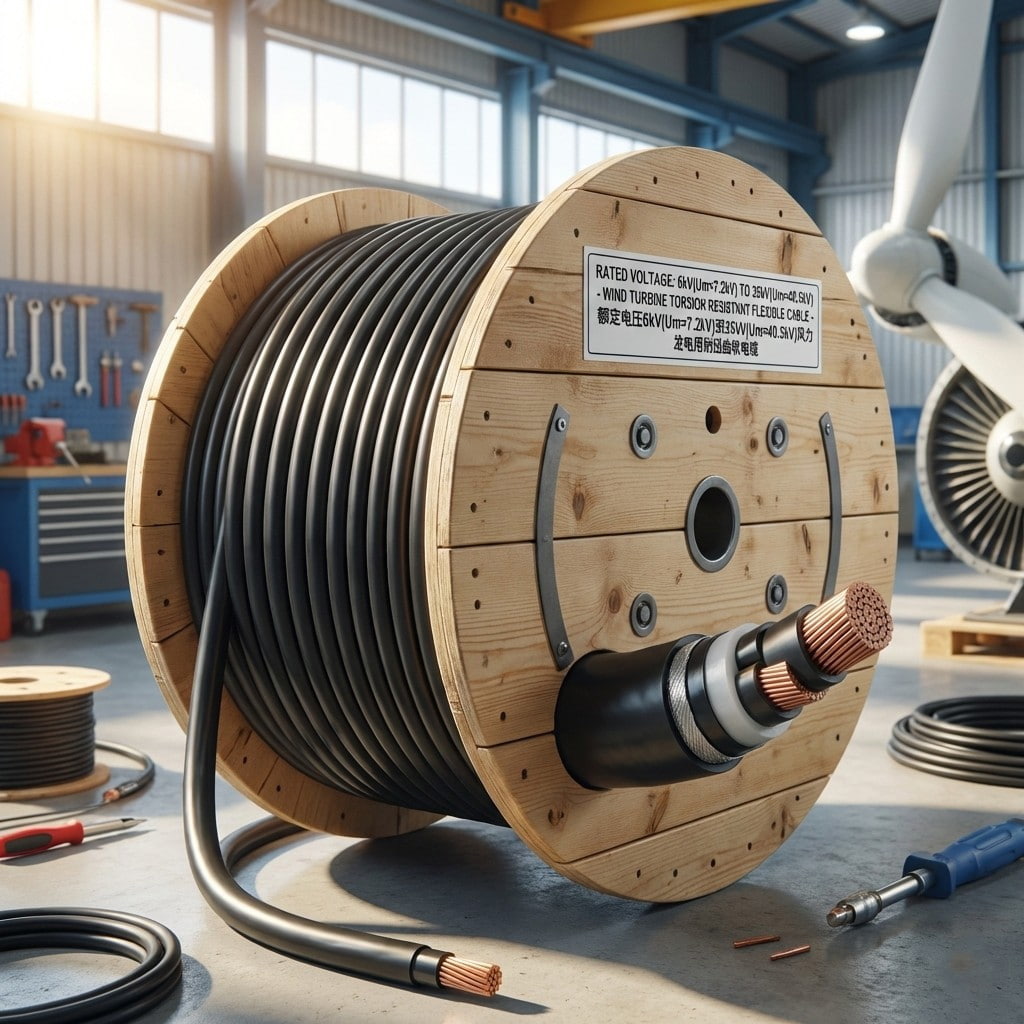
Product Overview: This series of products consists of high-performance, torsion-resistant flexible cables specifically designed for the harsh environments of wind turbine generators. Rated voltages ra...
See Details
Wind Power Cables: Types, Specs & Selection Guide
Jul 10,2026
Content
- 1 01What Are Wind Power Cables?
- 2 02How Wind Power Cables Work Inside a Turbine
- 3 03Types of Wires and Cables for Wind Power
- 4 04Technical Specifications and Key Performance Factors
- 5 05Onshore and Offshore Windfarm Conditions: Differences
- 6 06Application Scenarios Across a Wind Farm
- 7 07What to Consider When Choosing the Proper Cable for Renewable Energy Sources
- 8 08Installation and Maintenance Recommendations
- 9 09Common Mistakes and Overlooked Considerations
- 10 10Can Wind Cables Be Repaired?
- 11 Conclusion
- 12 Frequently Asked Questions
Wind Energy Components
Wind turbines convert mechanical rotation into electricity, but none of that energy reaches the grid without a dedicated network of conductors. Wind power cables carry current from the generator inside the nacelle, down the tower, through the array, and out to the substation, while withstanding torsion, vibration, temperature swings, and in many cases decades of outdoor or underwater exposure.
01What Are Wind Power Cables?
Wind power cables are purpose-built electrical conductors designed to transmit power and signals within a wind energy system. Unlike standard industrial cable, they are engineered to handle continuous torsional movement from the yaw and pitch mechanisms of a turbine, repeated flexing, wide temperature ranges, and prolonged outdoor exposure to UV radiation, moisture, and in offshore settings, salt water.
A wind cable is typically built from several layers: a stranded copper conductor for flexibility and conductivity, an inner insulation layer such as cross-linked polyethylene or ethylene propylene rubber, a screening layer for electromagnetic compatibility, and an outer sheath resistant to abrasion, ozone, and chemical exposure. This layered construction is what separates wind power cable from generic power cable used in static installations.
02How Wind Power Cables Work Inside a Turbine
Inside a turbine, power cables perform three core functions: transmitting generated electricity, carrying control and signal data between components, and in some designs, connecting the pitch and yaw drive motors. The generator produces alternating current, which travels through cables down the tower to a transformer, either located at the base of the tower or in an external substation, before being stepped up for transmission.
Because the nacelle continuously rotates to face the wind, a section of cable known as the tower or torsion cable must accommodate repeated twisting without conductor fatigue or insulation cracking. This is why torsion-rated wind power cable is engineered differently from cable used in fixed installations, with tighter stranding, reinforced insulation, and construction that tolerates repeated rotational stress over the turbine's operating life.
03Types of Wires and Cables for Wind Power
A wind energy system uses several distinct categories of cable, each serving a different function and location within the installation.
Tower
Torsion Cables
Connect the generator in the nacelle to the base of the tower, tolerating rotational movement as the nacelle turns.
Array
Array Cables
Link individual turbines together and route collected power to a central point, buried onshore or laid on the seabed offshore.
Export
Export Cables
Carry aggregated power from the collection point to the grid connection, rated for higher voltage and longer distances.
Control
Instrumentation Cables
Carry low-voltage signals for sensors and communication between the turbine control system and operations network.
Safety
Earthing Cables
Divert lightning strikes safely to ground, protecting the turbine's electrical and mechanical systems.
5 Core cable categories in a typical wind system
20+ Years expected service life for quality cable
-40°C Typical minimum rated operating temperature
04Technical Specifications and Key Performance Factors
Specifying the correct wind power cable requires attention to conductor size, insulation material, voltage rating, temperature range, and mechanical performance. The table below outlines common specification parameters for tower and array cable used in wind energy applications.
| Parameter | Typical Range |
|---|---|
| Conductor material | Fine-stranded flexible copper |
| Insulation type | XLPE or EPR |
| Rated voltage | 0.6/1 kV to 33 kV depending on application |
| Operating temperature | -40°C to +90°C continuous, higher for short circuit |
| Sheath material | Thermoplastic or thermoset polyurethane, flame retardant |
| Torsion rating | Rated for repeated ±180° to ±720° twisting cycles |
| Applicable standards | IEC 60228, IEC 60502, TUV 2Pfg 1169 |
Conductor flexibility class matters as much as cross-sectional area. A tower cable with insufficient stranding fineness will develop conductor fatigue long before it reaches its rated service life, particularly in turbines with high yaw activity.
05Onshore and Offshore Windfarm Conditions: Differences
Onshore and offshore wind installations place different demands on cable design, and specifying the same cable for both environments is a common source of premature failure.
Onshore Conditions
- Cables buried directly or in ducted trenches
- Exposure to soil chemistry and ground moisture
- Wider ambient temperature swings
- Easier access for inspection and repair
Offshore Conditions
- Direct exposure to seawater and hydrostatic pressure
- Continuous wave and current-induced movement
- Higher mechanical armoring requirements
- Repair access limited to vessel-based operations
Offshore array and export cable typically requires steel wire armoring, a lead or polymer moisture barrier, and a semi-conductive screen to manage the higher voltages used in offshore collection systems. Onshore cable can often use lighter armoring and a simpler sheath construction, since it is not subject to constant hydrodynamic loading.
06Application Scenarios Across a Wind Farm
| Location | Cable Function |
|---|---|
| Nacelle interior | Generator connections, control wiring, sensor cabling |
| Tower drop section | Torsion-rated cable carrying power to the base |
| Underground or seabed array | Inter-turbine collection cabling to substation |
| Export route | High-voltage transmission to grid connection point |
| Substation and switchgear | Interconnection and protection cabling |
07What to Consider When Choosing the Proper Cable for Renewable Energy Sources
Selecting wind power cables for a renewable energy project involves matching cable construction to both the electrical load and the physical environment it will operate in over its service life.
1
Confirm voltage and current requirements
Match rated voltage and conductor cross-section to the turbine generator output and expected load, with margin for future capacity changes.
2
Assess mechanical exposure
Determine whether the cable will experience torsion, burial, submersion, or vibration, and select a construction rated for that specific stress type.
3
Evaluate environmental exposure
Consider UV exposure, temperature extremes, chemical contact with soil or seawater, and required flame and fire performance ratings.
4
Verify certification and standards compliance
Confirm the cable meets relevant international standards for conductor construction, insulation performance, and fire behavior.
5
Plan for installation length and routing
Account for tower height, array distances, and bending radius limitations during route planning and cable length ordering.
08Installation and Maintenance Recommendations
Correct installation practice significantly affects wind cable longevity. Cables should be installed with bend radius maintained above the manufacturer's minimum specification, since tight bends accelerate insulation fatigue in torsion sections. Cable trays and conduit inside the tower should be free of sharp edges that could abrade the outer sheath during nacelle rotation.
Routine maintenance should include periodic visual inspection of the torsion cable section for surface cracking, insulation resistance testing at scheduled intervals, and checks on cable clamps and strain relief points, which experience repeated mechanical load during turbine operation. Offshore installations additionally require inspection of cable protection systems at the seabed-to-tower transition, an area prone to abrasion and fatigue from wave motion.
”
A cable specified correctly for torsion, voltage, and environmental exposure at the outset will typically outlast the mechanical components it serves, while an undersized or mismatched cable is one of the more common causes of unplanned turbine downtime.
09Common Mistakes and Overlooked Considerations
Underestimating torsion cycles
Specifying a general-purpose cable in a tower drop application leads to conductor fatigue well before the expected service life.
Ignoring ambient temperature range
Cable rated only for moderate climates can become brittle in cold-region installations or degrade faster in high-heat environments.
Overlooking bend radius during installation
Cables bent below their minimum radius during pulling or routing suffer accelerated insulation stress.
Mismatching armoring to environment
Using onshore-grade cable in offshore or high-moisture conditions increases the risk of water ingress and premature failure.
Skipping insulation resistance testing
Deferred testing allows developing insulation faults to go undetected until a fault occurs.
10Can Wind Cables Be Repaired?
In many cases, wind power cables can be repaired rather than fully replaced, depending on the location and extent of the fault. Localized sheath damage or minor insulation faults can often be addressed with cable splicing or jointing kits rated for the same voltage class as the original cable. Torsion cable sections that show fatigue are more commonly replaced outright, since repeated twisting stress makes localized repairs less reliable over the long term.
Offshore export and array cable faults are more complex to address, since repair requires vessel access, cable retrieval, and specialized jointing performed to the same standard as the original manufacturing. For this reason, many operators favor proactive testing and early fault detection over reactive repair, since offshore repair operations carry significantly higher cost and downtime than onshore work.
Conclusion
Wind power cables are a foundational component of any wind energy installation, connecting generation, control, and transmission systems while withstanding torsion, temperature extremes, and environmental exposure over decades of service. Selecting the correct cable type for each application, whether tower, array, or export, and matching construction to onshore or offshore conditions, directly affects system reliability and long-term maintenance cost. Wind power cables engineered to relevant standards and installed with attention to bend radius, torsion rating, and environmental exposure provide the electrical backbone that allows a wind energy system to operate reliably over its intended lifespan.
Frequently Asked Questions
Q1
What are wind cables?
Wind cables are electrical conductors specifically designed for wind turbine and wind farm applications, built to handle torsion, temperature extremes, and outdoor or underwater exposure while carrying power and control signals.
Q2
What cables are used in wind turbines?
Wind turbines use tower and torsion cables inside the nacelle and tower, along with control and instrumentation cables for sensors and monitoring systems, and earthing cables for lightning protection.
Q3
What do the power cables do in a wind turbine?
Power cables transmit the electricity generated by the turbine down through the tower to a transformer or substation, while also carrying signal data between control components.
Q4
What is the biggest problem with wind turbines?
Mechanical and electrical component fatigue from continuous operation is a leading cause of turbine downtime, and cable-related faults, particularly in torsion sections, are among the more common contributors to unplanned maintenance events.
Q5
Can wind cables be repaired?
Localized faults in sheath or insulation can often be repaired through jointing or splicing, while torsion cable sections showing fatigue are typically replaced due to the ongoing mechanical stress they experience.
Q6
How long do wind turbine cables last?
Properly specified and installed wind power cable is generally engineered for a service life of twenty years or more, matching the typical operational lifespan of the turbine itself.
Q7
What voltage do wind turbine cables use?
Voltage ratings vary by application, ranging from low-voltage control cabling to medium-voltage array cable around 33 kV, with export cable rated higher depending on the transmission system design.
Related products
-
-
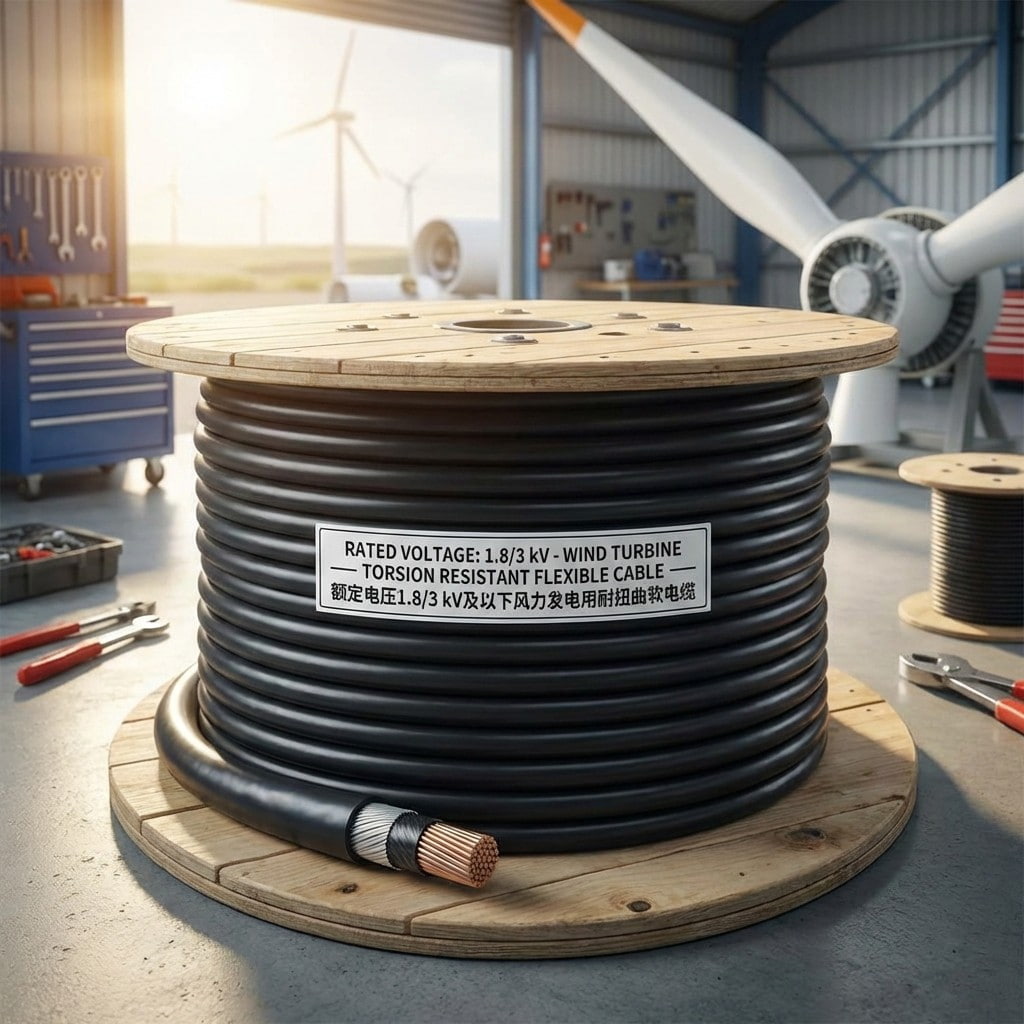
Product Introduction: Designed specifically for the harsh operating environment of wind power systems, meeting the requirements of continuous torsion and bending during mobile installation within the...
See Details -
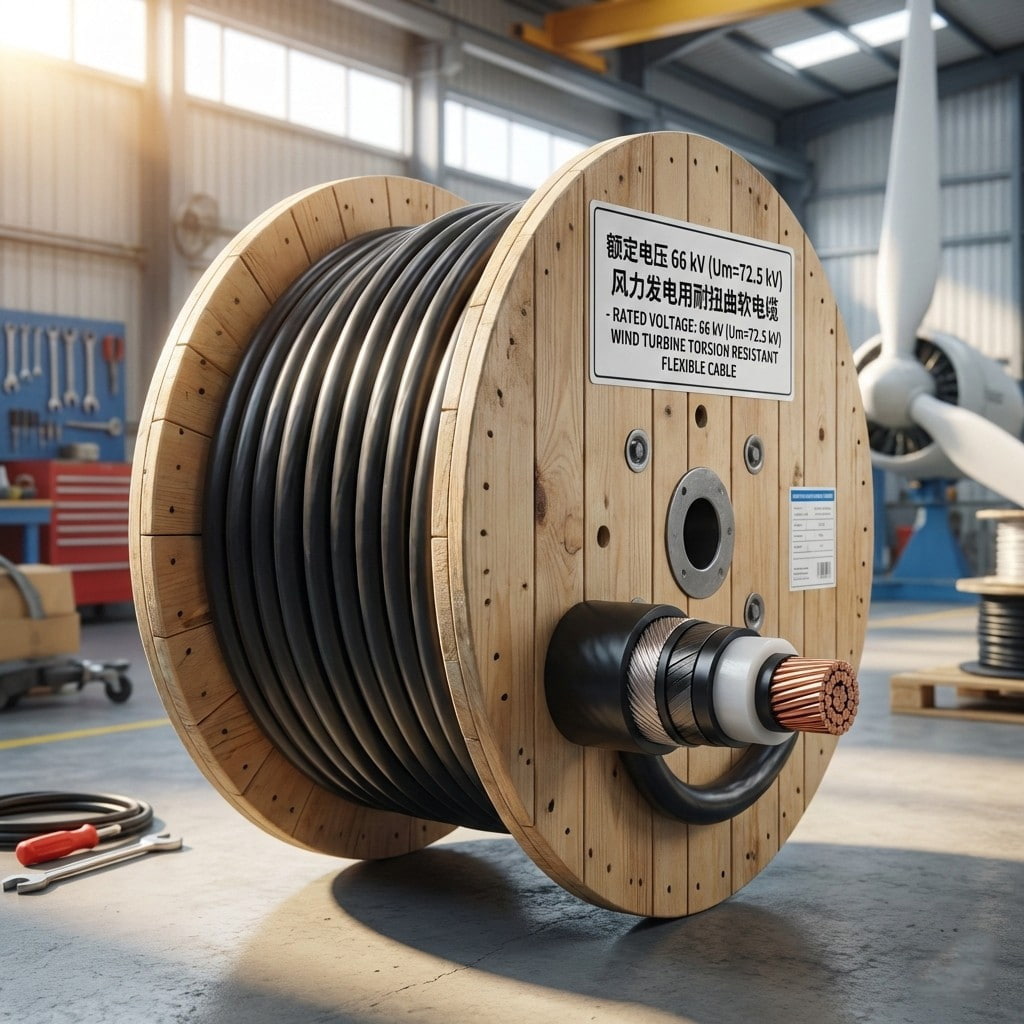
Product Introduction: This cable is specifically designed for medium- and high-voltage wind power generation equipment, with a rated voltage of 66 kV. It is suitable for high-reliability power transmi...
See Details -
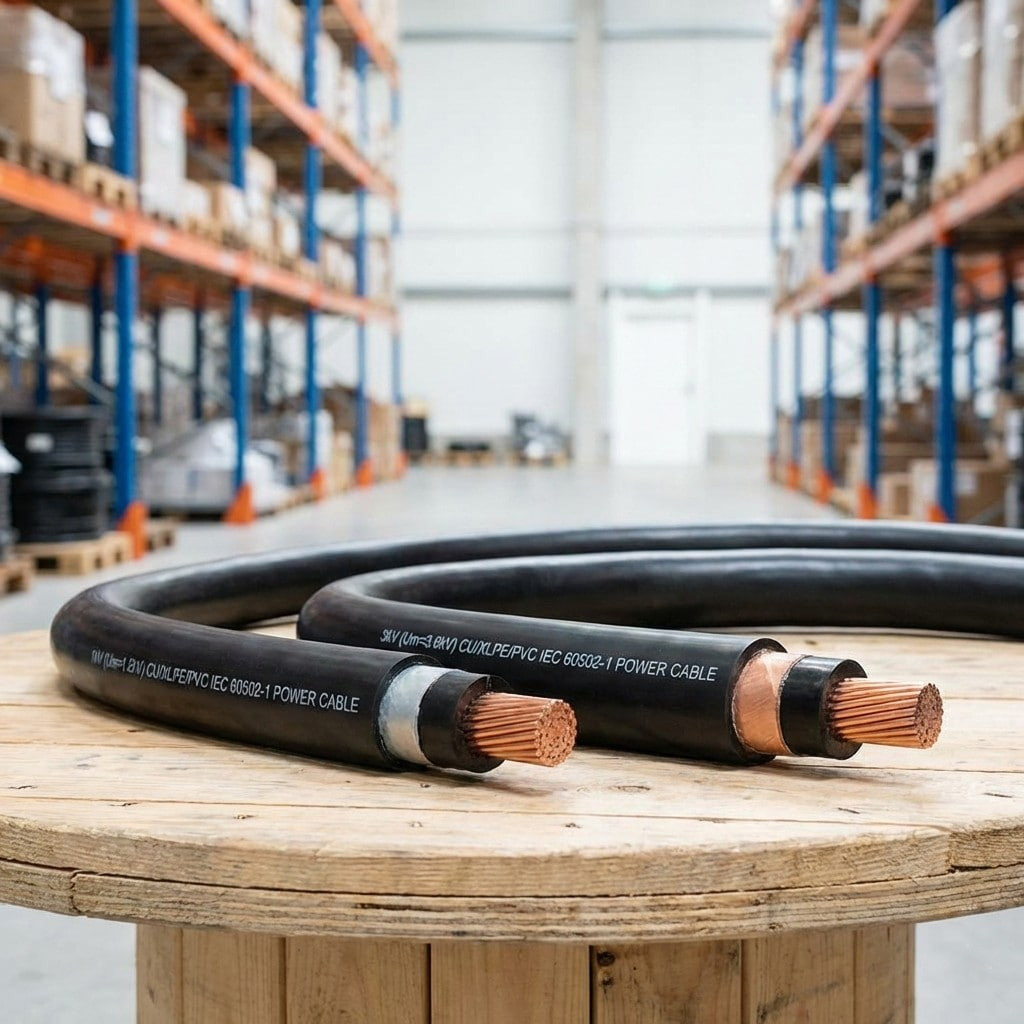
Product Definition: Low-voltage extrusion-insulated power cable for 1kV and 3kV systems, made with high-conductivity copper or aluminum conductors and premium extrusion insulation.
See Details -
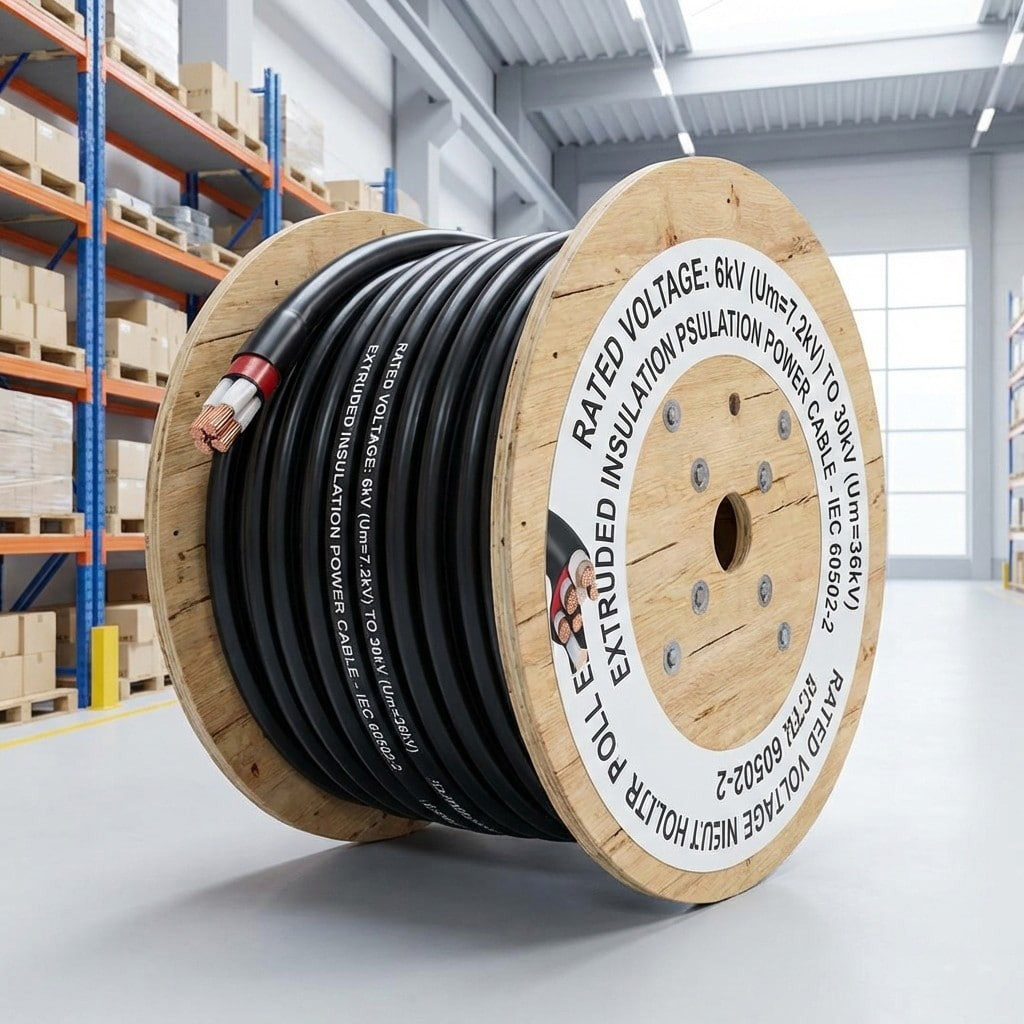
Product Definition: Medium-voltage extrusion-insulated power cable for 6kV to 30kV systems, using high-quality copper or aluminum conductors and premium insulation materials, designed for medium-volta...
See Details -
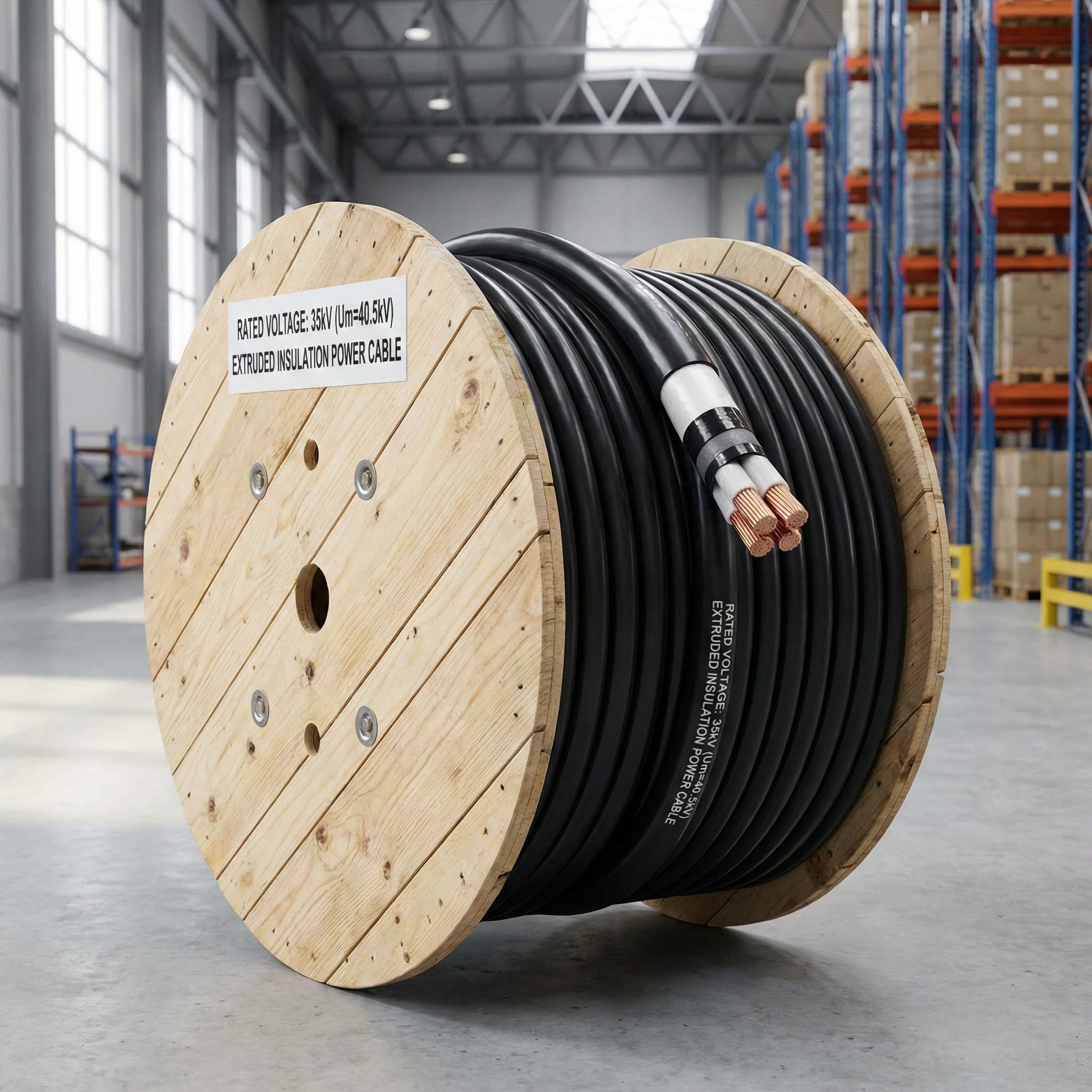
Product Definition: High-voltage extrusion-insulated power cable rated at 35kV, designed for high-voltage transmission lines, large industrial facilities, and urban power systems.
See Details
- About Us
- Company Profile
- History
- Smart Factory
- Resources
- Resources
- Technical Datasheets
- Product Catalogs
- Certificates & Compliance
- Industry Standards
- FAQs
- News
- Products
- Power Cables
- Electrical Equipment Cables
- Wind Power Cables
- Photovoltaic / Energy Storage Cables
- Overhead Cables
- Rail Transit
- Contact
- Contact
- Contact Meaia
-
Mobile QR code

Back to top

