English
 中文简体



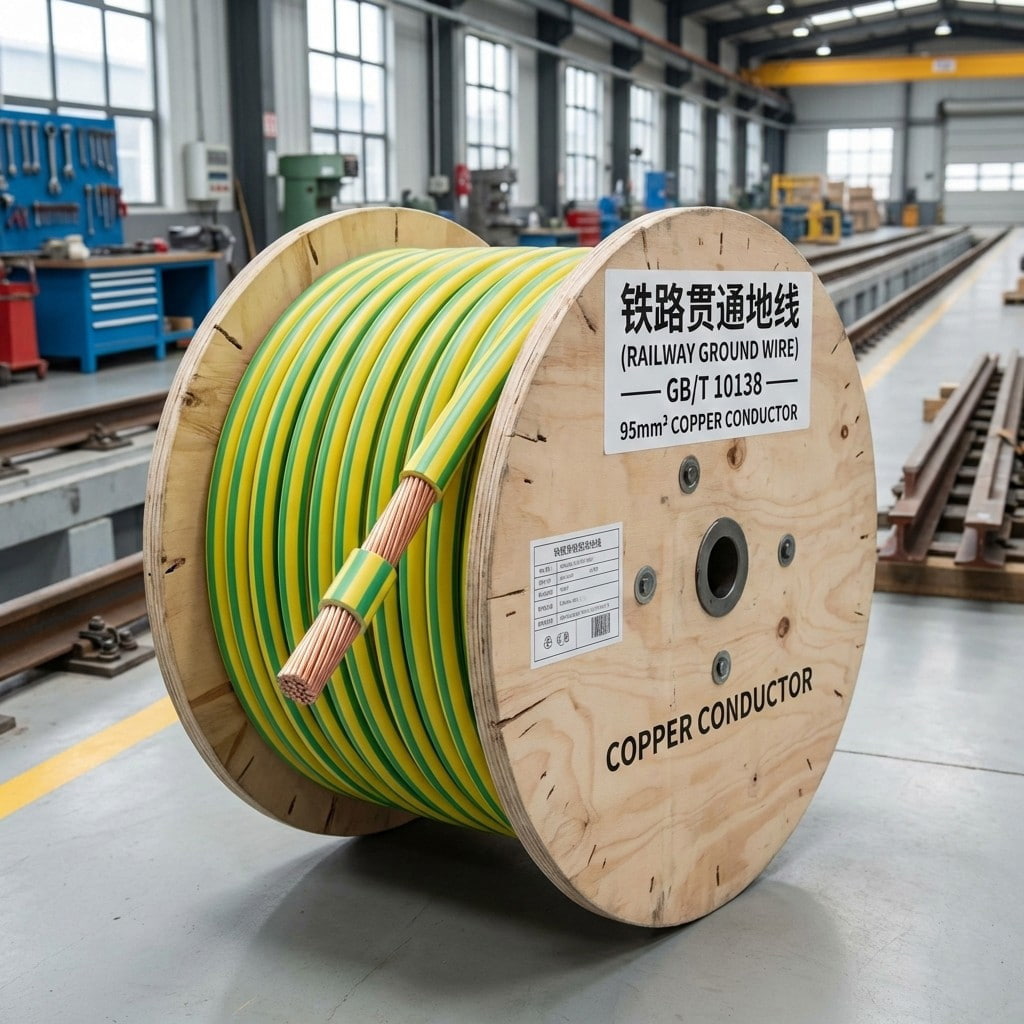
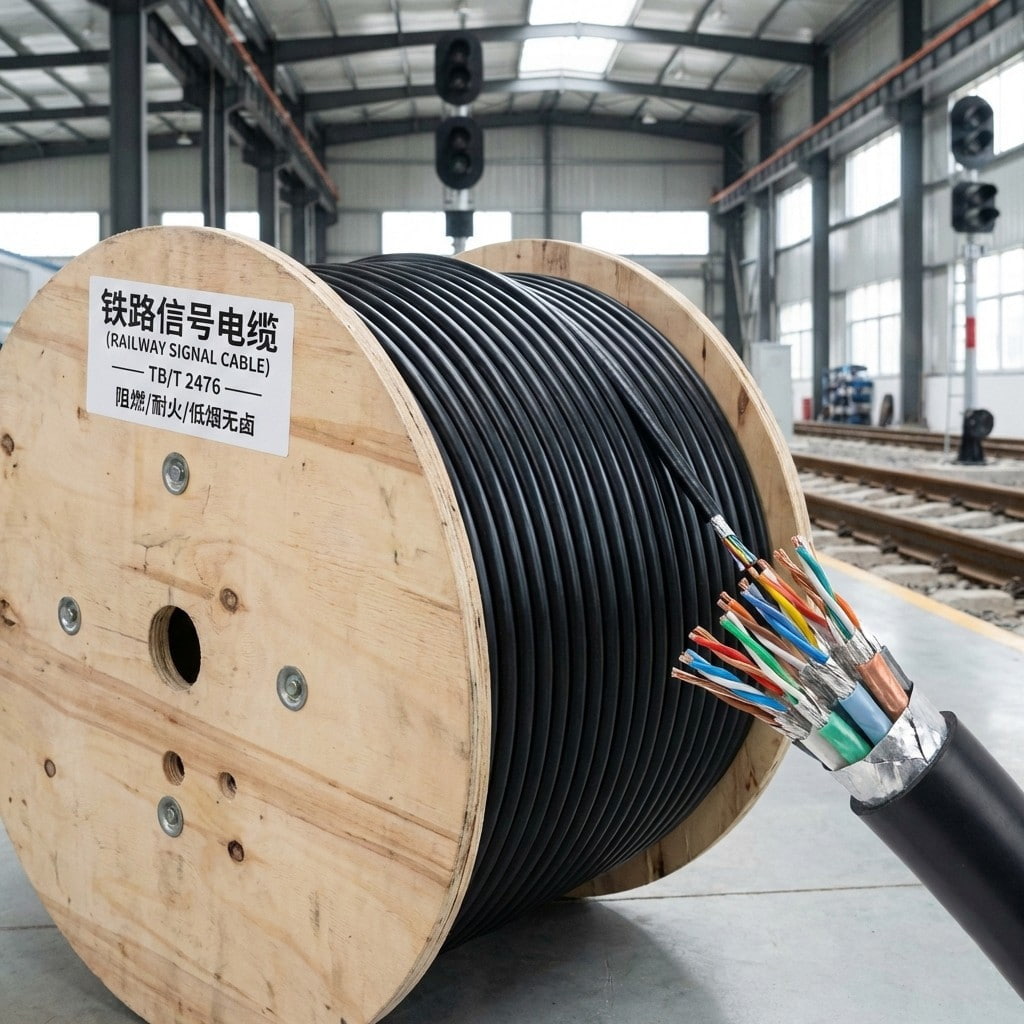
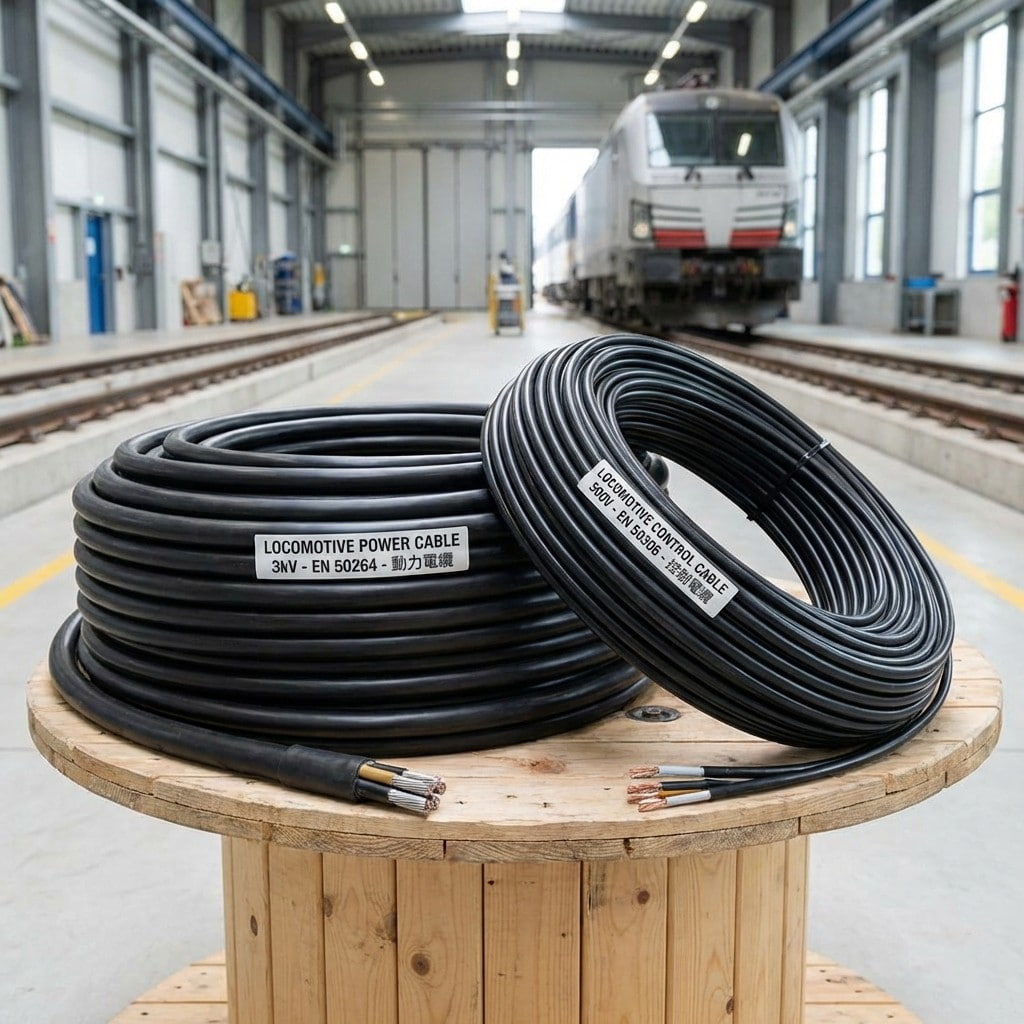
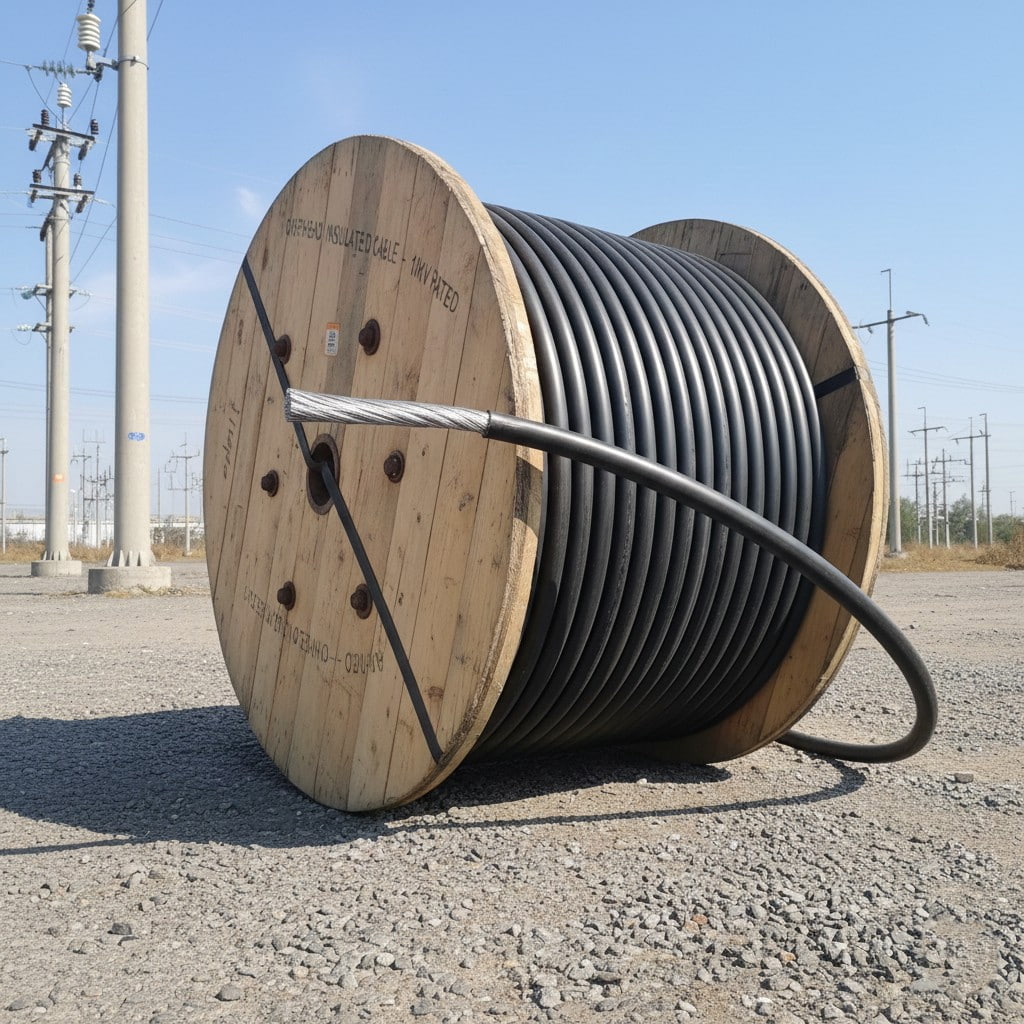
-- Steady & Reliable Manufacturer --
01 Product Overview
Copper and aluminum are the two conductor materials used in power cables, and the choice between them affects cost, weight, installation practice, and connection design. Copper has lower resistivity, which means a smaller cross-section carries the same current and voltage drop limits are easier to meet, and it is easier to terminate and connect. Aluminum has higher resistivity, so a larger cross-section is needed for the same current, but it is significantly lighter and lower in cost per unit of conductance, which matters on long runs and large projects. The choice is not simply about material price: it involves the installed cost of the larger aluminum cross-section, the termination and connector requirements for aluminum, and the maintenance practice for aluminum connections. This page sets out the technical differences and the project conditions under which each material is normally selected.
02 Company Profile
Jiangsu Qucheng Cable Technology Co., Ltd., established in 2018, operates a 40,000-square-meter factory in Yixing, Jiangsu, with production lines for copper and aluminum power cables. Our management systems are certified to ISO9001, ISO14001, and ISO45001, and our product range includes CB-certified and TÜV-certified cable types. Our 5G-based smart manufacturing system records production parameters and material batches, and our testing center performs conductor resistance measurement on both copper and aluminum conductors per IEC 60228. We supply copper and aluminum power cables to grid, industrial, and infrastructure projects in Southeast Asia and the Middle East, with conductor selection matched to the project's current, voltage drop, and installation requirements.
03 Application Fields
- Copper Copper conductor applications - Building services, control circuits, equipment connections, and installations where space or termination practice favors copper.
- Aluminum Aluminum conductor applications - Long distribution runs, large cross-section feeders, and projects where weight and material cost are significant factors.
- Grid Distribution networks - Medium-voltage feeders where aluminum is common for larger cross-sections.
- Industrial Industrial power supply - Motor feeders and distribution circuits where conductor selection follows the project specification.
- Retrofit Retrofit and replacement - Matching conductor material to existing terminations and connection practice.
04 Technical Specifications
| Copper Resistivity | Approximately 0.0172 Ω·mm²/m at 20°C |
| Aluminum Resistivity | Approximately 0.0282 Ω·mm²/m at 20°C (about 1.6 times copper) |
| Density | Copper 8.89 g/cm³; aluminum 2.70 g/cm³ |
| Cross-Section for Equal Current | Aluminum requires roughly 1.5 to 1.6 times the copper cross-section |
| Conductor Class | Class 1 or 2 for power cables; Class 5 for flexible cables, per IEC 60228 |
| Termination Practice | Copper: standard compression lugs; aluminum: bimetallic lugs or aluminum-rated connectors |
| Oxidation | Aluminum forms an oxide layer; jointing compounds and correct connector selection are required |
| Standards | IEC 60228 conductor requirements; IEC 60502-1 and IEC 60502-2 for cable construction |
05 Key Features & Core Characteristics
- Resistivity Copper's lower resistivity means a smaller cross-section carries the same current, which helps where space or voltage drop limits the cable size.
- Weight Aluminum is roughly one-third the density of copper, so aluminum cables are significantly lighter for the same conductance, which matters on long runs and elevated routes.
- Cost Aluminum has lower material cost per unit of conductance, though the larger cross-section required affects the installed cost comparison.
- Termination Copper is easier to terminate with standard lugs; aluminum requires bimetallic lugs or aluminum-rated connectors and jointing practice.
- Oxide Aluminum forms a surface oxide layer, so connections require appropriate preparation and compounds to maintain contact resistance.
- Flex Copper is generally preferred where flexibility and repeated bending are required, such as control and equipment connections.
06 Technical Notes
The comparison between copper and aluminum conductors is usually made on current capacity, but the decision also involves voltage drop, installation, and connection practice. Because aluminum resistivity is about 1.6 times that of copper, an aluminum conductor needs roughly 1.5 to 1.6 times the copper cross-section for the same current capacity, and voltage drop calculations should use the actual cross-section selected rather than assuming equivalence. Weight is the main advantage of aluminum: for the same conductance, an aluminum cable is significantly lighter, which reduces support structure loading and handling effort on long runs. Connection practice is the main disadvantage: aluminum forms a surface oxide layer that must be removed and protected during termination, and aluminum connections require bimetallic lugs or aluminum-rated connectors to avoid galvanic corrosion where aluminum meets copper. Where aluminum cables are terminated on copper busbars or equipment, bimetallic connectors are used, and the torque values specified for aluminum connections should be followed. For projects where the conductor material is not fixed by specification, the comparison should be made on installed cost, including terminations and supports, rather than material price alone.
07 Frequently Asked Questions
Furthermore, the company has integrated a 5G-based smart manufacturing system, enabling digital monitoring of the production process and full quality traceability, thereby enhancing efficiency and product consistency. Qucheng Cable is committed to providing safe, reliable, and high-performance cable solutions for global customers.