English
 中文简体



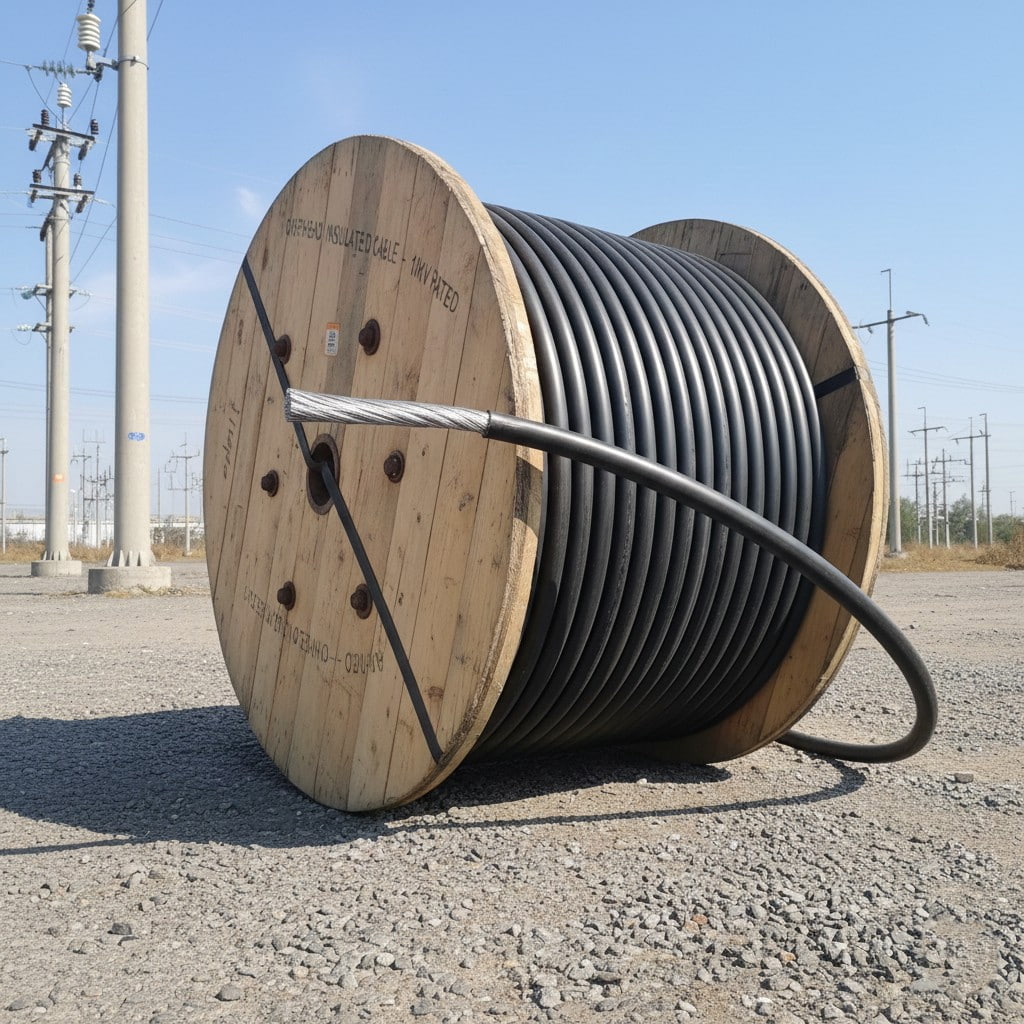
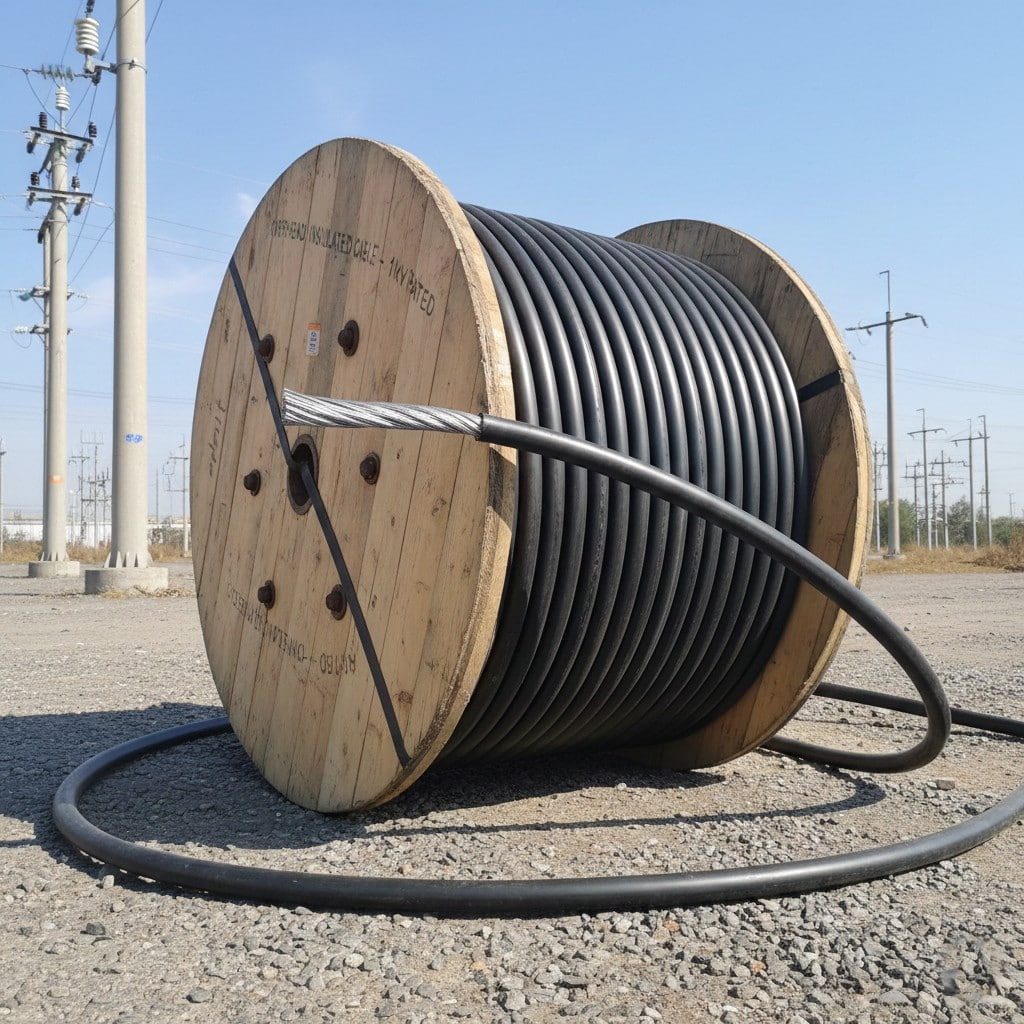
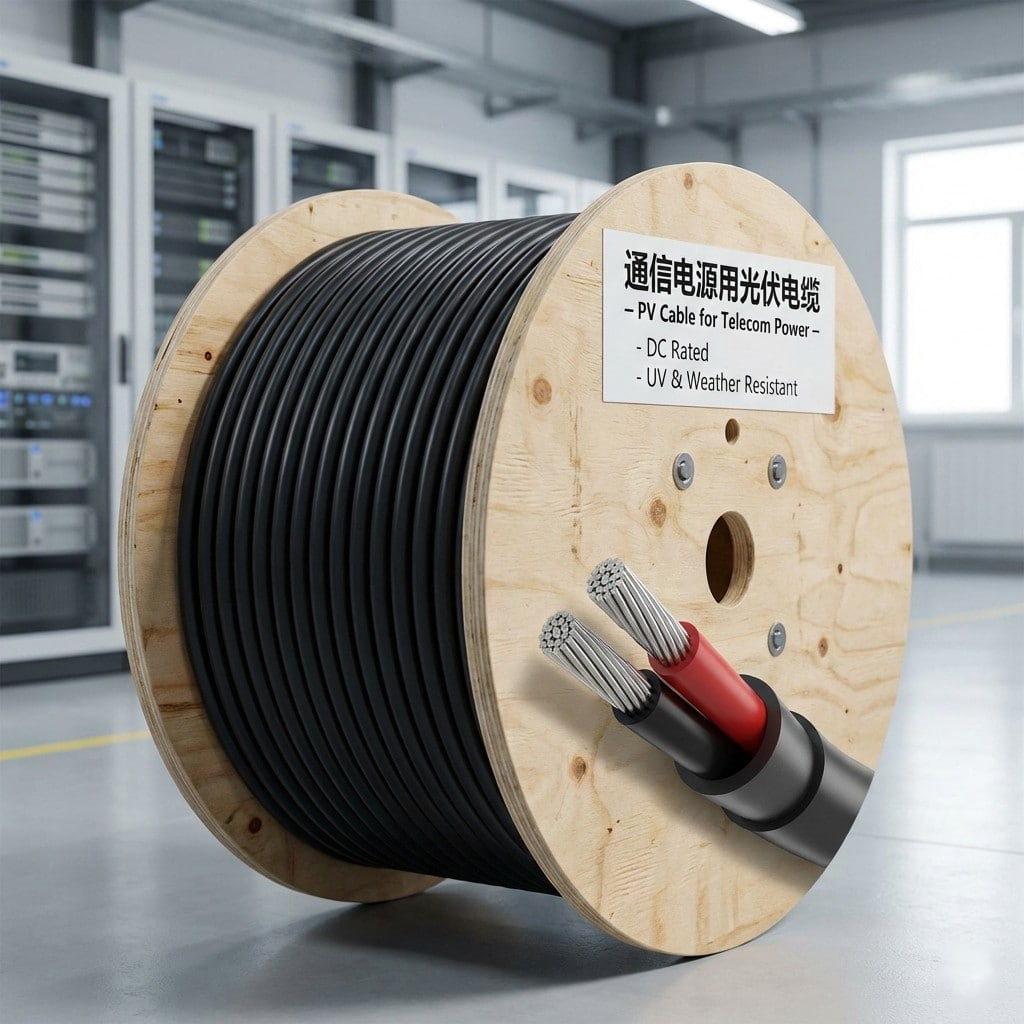
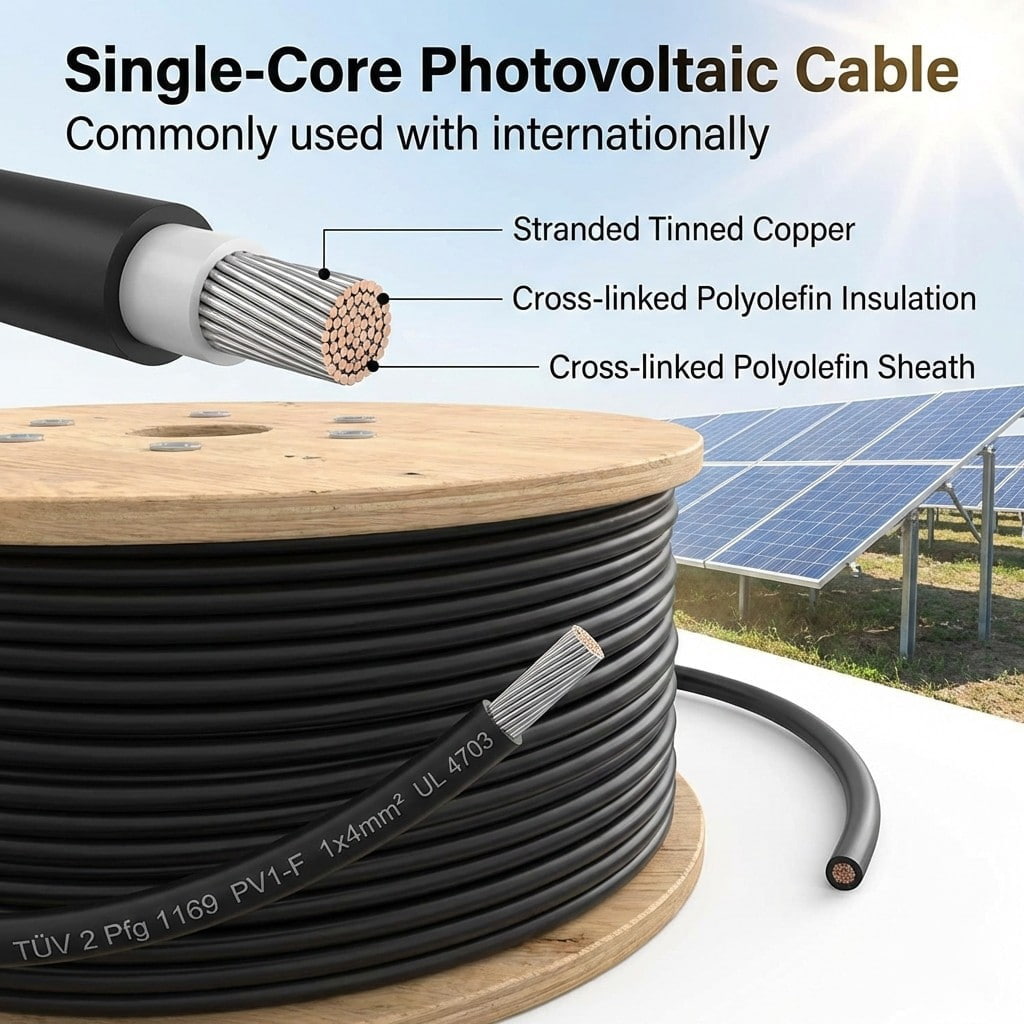
-- Steady & Reliable Manufacturer --
01 Product Overview
XLPE insulated power cables use cross-linked polyethylene as the dielectric, replacing thermoplastic PE with a three-dimensional molecular network formed during the cross-linking process. This structural change raises the continuous conductor operating temperature from 70°C for PVC to 90°C, increases short-circuit withstand to 250°C, and improves resistance to deformation under thermal cycling. For the same conductor size, an XLPE cable can carry a higher current than a PVC cable, which in many projects allows a smaller conductor cross-section or a lower conductor temperature margin. XLPE also has lower dielectric losses and higher insulation resistance than PVC, and it does not soften at elevated temperatures. These characteristics have made XLPE the standard insulation for medium-voltage distribution cables and for low-voltage power cables in industrial and infrastructure installations. Our XLPE cables are manufactured with dry-cured insulation and tested for partial discharge where the voltage class requires it.
02 Company Profile
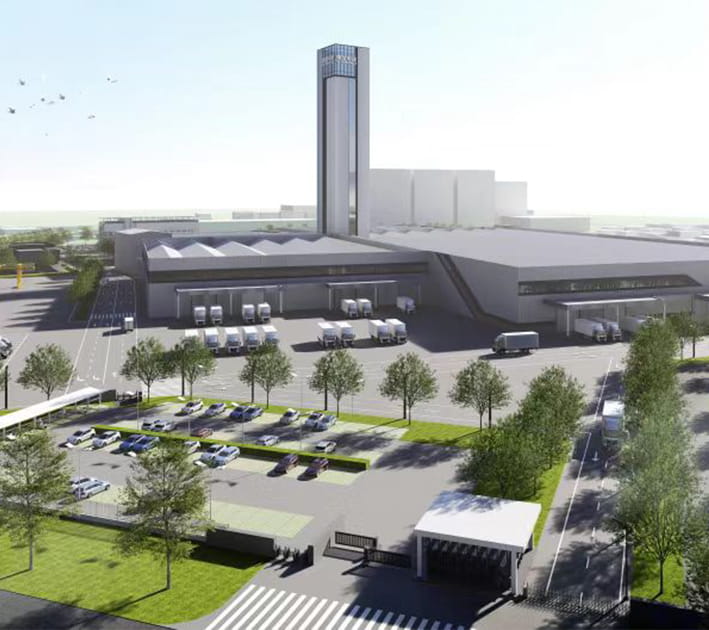
Jiangsu Qucheng Cable Technology Co., Ltd., established in 2018, operates a 40,000-square-meter factory in Yixing, Jiangsu, with XLPE insulation lines for low- and medium-voltage power cables. Our testing center performs partial discharge, voltage withstand, conductor resistance, and thermal tests, and our production process is monitored through a 5G-based smart manufacturing system that records extrusion and curing parameters for each run. We hold ISO9001, ISO14001, and ISO45001 certifications, along with CB and TÜV product qualifications. XLPE insulated power cables from our factory are supplied to grid, industrial, and infrastructure projects in Southeast Asia and the Middle East, with test documentation matched to the referenced standards.
03 Application Fields
- Grid Distribution networks - Medium-voltage feeders from substations to transformers in urban and industrial areas.
- Industrial Industrial power supply - Motor feeders, switchgear connections, and process plant distribution where higher current capacity is needed.
- Infrastructure Infrastructure projects - Airports, stations, hospitals, and data centers requiring reliable power circuits.
- Renewable Renewable energy collection - Collector circuits in solar and wind projects where thermal margins matter.
- Buried Underground installation - Direct buried and ducted routes where moisture resistance and thermal stability are required.
04 Technical Specifications
| Rated Voltage | 0.6/1 kV, 1.8/3 kV, 6/10 kV, 8.7/15 kV, 12/20 kV, 18/30 kV, 26/35 kV |
| Conductor Material | Plain annealed copper or aluminum |
| Conductor Size | 1.5 mm² to 630 mm² (copper); 25 mm² to 800 mm² (aluminum) |
| Insulation Material | Cross-linked polyethylene (XLPE), dry-cured |
| Conductor Screen | Extruded semiconductive compound (MV cables) |
| Insulation Screen | Extruded semiconductive compound plus copper tape or wire screen (MV cables) |
| Sheath Material | PVC (ST2) or LSZH compound |
| Continuous Rating | 90°C conductor temperature |
| Short-Circuit Rating | 250°C conductor temperature, 5 seconds maximum |
| Partial Discharge | ≤ 10 pC at 1.5 U₀ (MV cables) |
| Standards | IEC 60502-1, IEC 60502-2, BS 5467, BS 6724 |
05 Key Features & Core Characteristics
- Thermal The 90°C continuous rating and 250°C short-circuit rating provide a larger thermal margin than PVC insulation, which is rated at 70°C continuous.
- Current Higher allowable conductor temperature translates into higher current capacity for the same cross-section, or a smaller cross-section for the same load.
- Dielectric Lower dielectric loss and higher insulation resistance than PVC, which matters for medium-voltage circuits and long runs.
- Stability Cross-linking prevents softening and deformation at elevated temperatures, keeping insulation thickness and electrical properties stable under load cycling.
- Moisture Dry-cured XLPE insulation and extruded semiconductive screens reduce the risk of water tree formation in buried and humid installations.
- Test Medium-voltage constructions are routine tested for partial discharge and voltage withstand, with results recorded per production length.
06 Technical Notes
The performance advantage of XLPE comes from the cross-linking process, in which polymer chains are chemically bonded into a network. The process must be controlled so that cross-linking is complete through the full insulation thickness; incomplete cross-linking leaves a thermoplastic core that can deform under thermal load. We use dry curing for medium-voltage insulation, which avoids the steam curing by-products that contribute to water tree growth in service. For medium-voltage cables, the conductor screen, insulation, and insulation screen are applied in a triple extrusion to keep the interfaces clean, and the finished cable is routine tested for partial discharge at 1.5 U₀. The metallic screen, applied as copper tape or concentric wires, provides the fault current path and a defined earth reference for the electric field. Cable sizing should account for installation conditions: cables in air, in ducts, or buried have different thermal resistances, and grouping factors apply when multiple cables run together. Our technical team can provide current rating tables for the specific installation conditions of a project.
07 Frequently Asked Questions
Furthermore, the company has integrated a 5G-based smart manufacturing system, enabling digital monitoring of the production process and full quality traceability, thereby enhancing efficiency and product consistency. Qucheng Cable is committed to providing safe, reliable, and high-performance cable solutions for global customers.