
 English
  中文简体
中文简体 

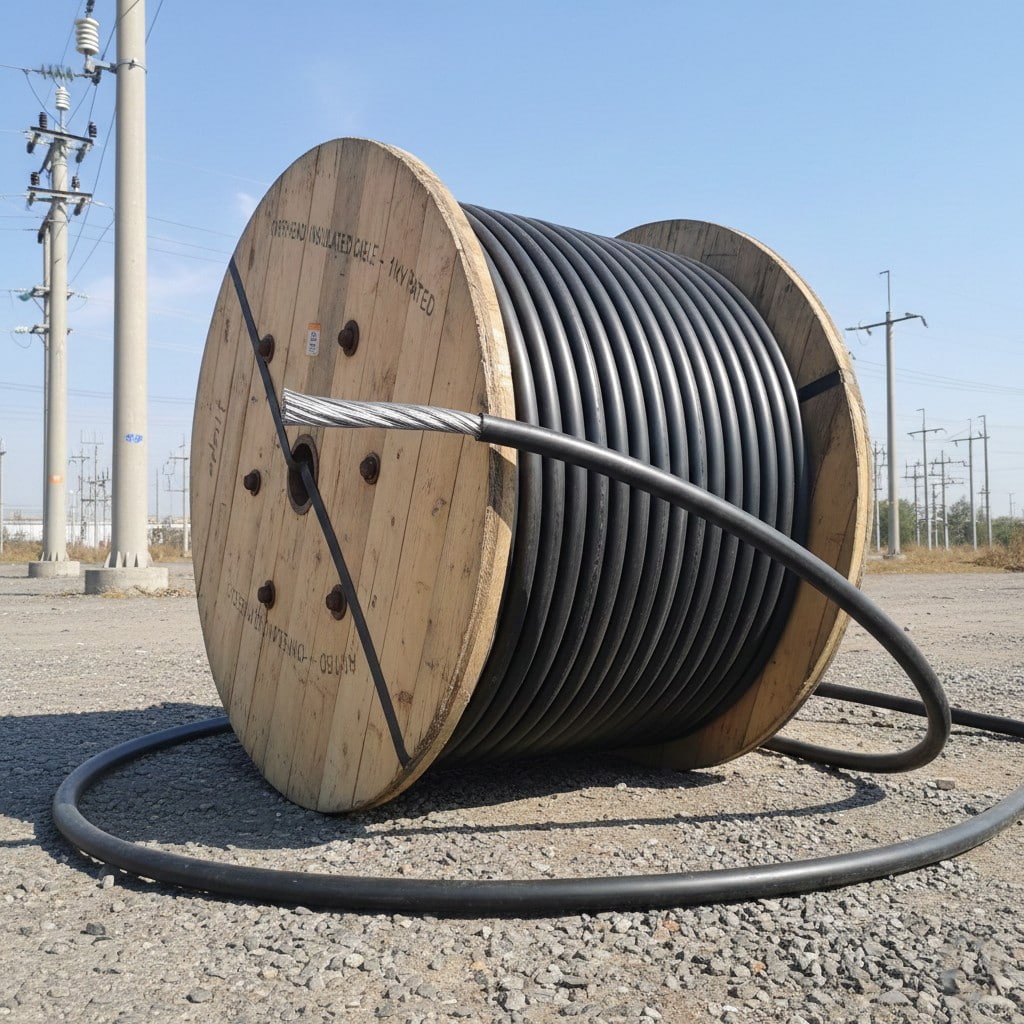
Product Overview: Designed specifically for overhead power line installation, this product is suitable for distribution lines with a rated voltage of 1kV and below, making it an ideal choice for urban...
See Details
What Are Overhead Insulated Cables? Types, Benefits, and Applications
Jul 21,2026
Content
- 1 What Are Overhead Insulated Cables?
- 2 The Evolution of Overhead Power Lines
- 3 Understanding Overhead Cable Construction
- 4 Types of Overhead Insulated Cables
- 5 How Overhead Insulated Cables Work
- 6 Technical Specifications and Ratings
- 7 Comparing Overhead Cable Types
- 8 Advantages Over Bare Conductors
- 9 Installation and Maintenance
- 10 Real-World Applications
- 11 Facts and Misconceptions About Overhead Insulated Cables
- 12 Why Overhead Insulated Cables Matter
- 13 Conclusion
- 14 Frequently Asked Questions
What Are Overhead Insulated Cables?
When you look up at the power lines running along streets and across countryside, you are looking at overhead insulated cables — the backbone of modern electricity distribution. These are electrical conductors that carry power from generating stations to homes, businesses, and industries, suspended on poles or towers above the ground.
The key difference between these and traditional bare conductors is the layer of insulation that surrounds the conductive core. This insulation — typically made from materials like cross-linked polyethylene (XLPE) or high-density polyethylene (HDPE) — provides protection against electrical leakage, weather damage, and accidental contact. Overhead insulated cables are designed to deliver electricity safely and reliably, even in challenging environmental conditions.
Overhead insulated cables have become increasingly important as power distribution networks age and demand for electricity continues to grow. Utilities around the world are replacing bare conductors with insulated cables to improve safety, reliability, and system performance. This guide explores the science, construction, and applications of these essential components of the electrical grid.
In this guide you will learn: The basic construction of overhead insulated cables, how they differ from bare conductors, the types of insulation materials used, their technical specifications, real-world applications, installation methods, and common misconceptions about these essential power delivery systems.
The Evolution of Overhead Power Lines
The history of overhead power distribution dates back to the late 19th century, when the first electrical grids were being built. In 1882, Thomas Edison's Pearl Street Station in New York City began delivering electricity to customers using underground cables, but overhead lines quickly became the dominant method for power distribution due to their lower cost and ease of installation.
Early power lines used bare copper or aluminum conductors, supported by ceramic or glass insulators attached to wooden poles. These bare conductors were adequate for the loads of the time, but they had significant limitations that engineers and utilities had to work around.
Bare conductors are vulnerable to weather events — ice accumulation can cause lines to sag or break, high winds can cause conductors to swing together and short circuit, and lightning strikes can cause flashovers that trip protective equipment. Bare conductors also pose safety risks when trees, animals, or people come into contact with them. In densely populated areas, bare conductors require larger clearances and more spacing between lines, which limits the amount of power that can be transmitted through a given corridor and increases the footprint of the distribution system.
The first insulated overhead cables appeared in the mid-20th century, primarily for use in areas with high pollution or where clearances were restricted. These early designs used paper or rubber insulation, which was heavy, prone to moisture absorption, and susceptible to degradation from UV exposure and temperature cycling. The development of polymer-based insulation materials, particularly cross-linked polyethylene (XLPE) in the 1960s, transformed the industry. XLPE offered excellent electrical properties, high temperature resistance, mechanical strength, and resistance to environmental factors.
Today, overhead insulated cables are available in a wide range of voltage ratings and configurations, offering utilities a reliable and efficient alternative to bare conductors. The adoption of insulated cables has accelerated in recent decades as safety requirements have become more stringent and the need for compact distribution infrastructure in urban areas has grown.
1880s First overhead power lines with bare conductors installed
1930s Early insulated cables with paper or rubber insulation
1960s XLPE insulation developed, revolutionizing cable technology
1980s Aerial bundled cables gain widespread adoption in urban areas
Present Overhead insulated cables standard for distribution networks worldwide
Understanding Overhead Cable Construction
An overhead insulated cable consists of several key components, each serving a specific purpose. Understanding these layers helps explain how the cable performs its function safely and efficiently over its service life, which can exceed 30 years with proper installation and maintenance.
The Conductor
At the core of every overhead insulated cable is the conductor — the metal pathway that carries electrical current. The conductor is typically made from aluminum or copper, chosen for their excellent conductivity and mechanical strength.
Aluminum is lighter and less expensive than copper, making it the preferred choice for most overhead applications. Its lower density means that aluminum conductors can span longer distances between poles with less sag, reducing the number of poles required for a given route. To increase strength, aluminum conductors are often reinforced with a steel core — a design known as ACSR (Aluminum Conductor Steel Reinforced). For higher voltage applications, multiple strands of aluminum may be wrapped around the steel core to achieve the desired conductivity and ampacity.
Copper conductors offer higher conductivity and greater mechanical strength than aluminum, but their higher cost and weight make them less common in overhead applications. Copper is typically used where space is limited or where higher current capacity is required in a smaller conductor size.
The Insulation Layer
Surrounding the conductor is the insulation layer, which serves several critical functions. First, it prevents electrical current from leaking from the conductor to the surrounding environment — a process that would waste energy and create safety hazards. Second, it provides protection against mechanical damage from abrasion, impact, and vibration that can occur during installation or from environmental factors. Third, it shields the conductor from environmental factors like moisture, UV radiation, and temperature extremes that could cause corrosion or degradation.
The most common insulation material used in modern overhead insulated cables is cross-linked polyethylene (XLPE). This material offers excellent electrical properties, including high dielectric strength and low dielectric loss. It also provides high temperature resistance, with continuous operating temperatures up to 90°C and short-circuit temperatures up to 250°C. XLPE is mechanically strong, resistant to abrasion, and stable under UV exposure when properly formulated.
Other insulation materials used include high-density polyethylene (HDPE), which offers excellent moisture resistance and mechanical strength, and ethylene propylene rubber (EPR), which provides flexibility and good performance at low temperatures. Each material has specific advantages for particular applications, and the choice depends on factors such as voltage rating, environmental conditions, and installation requirements.
Semiconductive Layers
Many overhead insulated cables include semiconductive layers between the conductor and the insulation, and between the insulation and the outer sheath. These layers are made from a compound that is partially conductive, with a resistivity that falls between that of the conductor and the insulation.
The inner semiconductive layer serves to smooth the electrical field around the conductor, reducing stress concentration points that could lead to partial discharge and insulation degradation. The outer semiconductive layer provides a similar function on the outside of the insulation, creating a uniform electrical field and protecting the insulation from damage during installation.
The Outer Jacket
Many overhead insulated cables also include an outer jacket or sheath. This additional layer provides extra mechanical protection against impact, abrasion, and crushing during installation and service. It also offers resistance to weathering, UV radiation, and environmental stress cracking.
The outer jacket can be made from materials like polyethylene, which offers excellent weather resistance and mechanical strength, or polyvinyl chloride (PVC), which provides flexibility and flame resistance. The choice of jacket material depends on the installation environment and the required performance characteristics.
In aerial bundled cables (ABC), multiple insulated conductors are bundled together with a messenger wire — a steel or aluminum strand that supports the cable's weight and tension. This design is particularly common in urban and suburban distribution networks, where the compact configuration allows for closer pole spacing and reduced visual impact.
Types of Overhead Insulated Cables
Overhead insulated cables come in several distinct types, each designed for specific applications and voltage levels. Understanding these types helps explain why utilities choose one design over another based on their specific needs and constraints.
Single Insulated Conductors
These are individual conductors with a single layer of insulation, designed to be installed on insulators on poles or towers. They are used for medium-voltage distribution, typically in the range of 5 kV to 35 kV, and are supported by insulators that provide additional electrical clearance from the supporting structure.
The insulation protects against leakage current and environmental damage, but the cables still rely on the insulators for primary electrical isolation. Single insulated conductors are often used in areas where the primary concern is protection against vegetation contact or where higher reliability is required than bare conductors can provide.
Aerial Bundled Cables (ABC)
Aerial bundled cables are the most common type of overhead insulated cable in many parts of the world, particularly in Europe, Asia, and Australia. They consist of two to four insulated conductors twisted around a supporting messenger wire. The messenger wire bears the mechanical load, allowing the insulated conductors to carry only their own weight and providing the structural support needed to span distances between poles.
ABC cables are widely used in urban and suburban distribution networks, where space is limited and safety is a primary concern. The bundled design reduces the space needed between conductors and allows for closer pole spacing, which can be critical in densely built areas. It also reduces the risk of accidental contact, as the insulated conductors are physically close together but electrically isolated from each other and from the environment.
The messenger wire also serves as a neutral conductor, providing a return path for current and helping to balance loads on the system. This integrated design simplifies installation and reduces the number of separate components that need to be handled during construction.
Covered Conductors
Covered conductors are similar to insulated cables but have a thinner layer of insulation. The primary purpose of the covering is to prevent flashovers between conductors during icing conditions or when tree branches come into contact with the line. They are often used in areas with high contamination or where clearances are limited but where full insulation is not considered necessary.
The distinction between "covered" and "insulated" is important in electrical engineering. Covered conductors offer some protection against electrical shock and short circuits but are not rated for full voltage insulation. They rely on air gaps and insulator clearances for primary voltage isolation, meaning that they must still be installed with sufficient clearance from grounded surfaces and other conductors.
Tree Wire
Tree wire is a specialized type of covered conductor designed for use in wooded areas. It has a thicker covering than standard covered conductors, providing additional protection against abrasion and damage from tree branches. The covering is typically made from a tough, weather-resistant material that can withstand repeated contact with vegetation.
Tree wire is often used in rural and suburban areas where maintaining right-of-way clearance is challenging or expensive. By using tree wire, utilities can reduce the frequency of tree trimming and still maintain reliable service, lowering maintenance costs and reducing the risk of outages caused by vegetation contact.
How Overhead Insulated Cables Work
The operation of an overhead insulated cable is based on the fundamental principles of electricity transmission, with the insulation layer providing critical safety and performance benefits. Here is a step-by-step explanation of how these cables function in a power distribution network, from generation to delivery.
1
Power Generation
Electricity is generated at power plants — whether from fossil fuels, nuclear, hydroelectric, or renewable sources — and stepped up to high voltage for efficient transmission over long distances. This high-voltage transmission reduces the current required for a given power level, minimizing losses due to resistance in the conductors.
2
Transmission to Distribution
At substations, the high-voltage electricity is stepped down to medium voltage — typically between 5 kV and 35 kV — and delivered to local distribution networks. The substation includes transformers, circuit breakers, and other equipment needed to control and protect the distribution system.
3
Cable Installation
The overhead insulated cable is suspended on poles or towers along distribution routes. The insulation layer prevents current leakage to the environment and protects against short circuits caused by weather or accidental contact. Proper installation includes maintaining appropriate sag and tension to accommodate temperature variations and wind loading.
4
Power Delivery
As electricity flows through the conductor, the insulation ensures that the current remains contained within the cable. At transformers along the line, the voltage is stepped down further for delivery to end users. These transformers may be mounted on poles or placed in pad-mounted enclosures on the ground.
5
Protection and Control
The insulation layer also provides protection against faults. If a fault occurs — such as a lightning strike or a fallen tree branch — the insulation helps contain the fault and prevent it from affecting other parts of the network. Protective devices like fuses and circuit breakers isolate faults, minimizing the impact on other customers.
6
Monitoring and Maintenance
Utilities monitor the performance of overhead insulated cables through regular inspections and testing. This includes visual inspections of poles and hardware, thermal imaging to detect hot spots, and electrical testing to verify insulation integrity. Proactive maintenance helps prevent failures and extend cable service life.
Technical Specifications and Ratings
Overhead insulated cables are rated according to several key technical parameters. Understanding these specifications helps ensure the right cable is selected for each application and that it will perform reliably over its service life.
Voltage Rating
The voltage rating indicates the maximum continuous voltage the cable can safely carry. Common voltage ratings for overhead insulated cables include:
- Low voltage: Up to 1 kV, used for final distribution to homes, small businesses, and street lighting. These cables typically have thinner insulation and are often installed as aerial bundled cables.
- Medium voltage: 1 kV to 35 kV, used for primary distribution networks that serve entire neighborhoods or industrial areas. This is the most common voltage class for overhead insulated cables.
- High voltage: Above 35 kV, used for sub-transmission and transmission applications. While insulated cables are available for these voltages, bare conductors are more common due to the reduced cost and simpler construction at higher voltages.
The voltage rating is determined by the insulation material, its thickness, and the cable's construction. Higher voltage ratings require thicker insulation or materials with higher dielectric strength to prevent electrical breakdown.
Ampacity
Ampacity refers to the maximum current a cable can carry without exceeding its temperature rating. Ampacity depends on several factors, including the conductor size (cross-sectional area), insulation type, and installation conditions — including ambient temperature, solar radiation, and wind speed.
For overhead insulated cables, ampacity is typically higher than for underground cables because the overhead environment provides better cooling. The air around the cable helps dissipate heat, while underground cables are surrounded by soil, which is a poor conductor of heat and provides limited cooling.
Conductor size is specified in units of circular mils or square millimeters, with larger conductors capable of carrying more current. The relationship between conductor size and ampacity is not linear — doubling the conductor area does not double the ampacity because heat dissipation is proportional to the surface area, not the cross-sectional area.
Temperature Rating
The insulation material determines the cable's maximum operating temperature. XLPE-insulated cables can typically operate at continuous temperatures up to 90°C, with emergency overload ratings up to 105°C and short-circuit ratings up to 250°C. This high temperature tolerance allows XLPE cables to carry more current than cables with lower-temperature insulation, such as EPR or PVC.
Temperature ratings are important because exceeding the rated temperature can cause accelerated aging of the insulation, leading to premature failure. Temperature cycling also causes thermal expansion and contraction of the conductor and insulation, which can lead to mechanical stress and eventual breakdown if not managed properly.
Insulation Thickness
Insulation thickness is determined by the voltage rating and the insulation material's dielectric strength. Higher voltages require thicker insulation to prevent electrical breakdown. Industry standards — such as those from IEEE, IEC, and national electrical codes — specify minimum insulation thicknesses for each voltage class and application.
In addition to voltage requirements, insulation thickness may be increased for mechanical protection in demanding installations. For example, cables installed in areas with high tree contact may have thicker insulation to resist abrasion and damage.
Short-Circuit Rating
The short-circuit rating indicates the maximum fault current the cable can withstand for a given duration without damage. During a fault, the current can increase dramatically, generating significant heat in the conductor. The short-circuit rating ensures that the conductor and insulation can survive the fault until protective devices operate.
Short-circuit ratings are typically specified as a maximum current for a specific duration, such as 40 kA for 1 second. This rating depends on the conductor material, size, and the temperature rating of the insulation.
Comparing Overhead Cable Types
The table below compares the key characteristics of different overhead cable types, helping to illustrate why certain designs are chosen for specific applications based on cost, safety, and performance requirements.
| Feature | Bare Conductor | Covered Conductor | Single Insulated | Aerial Bundled Cable |
|---|---|---|---|---|
| Insulation Type | None (air insulation) | Thin polymer layer | Full XLPE/EPR insulation | Full XLPE/EPR insulation |
| Voltage Range | All voltages | Medium voltage (5-35 kV) | Medium voltage (5-35 kV) | Low to medium (0.6-35 kV) |
| Safety | Low | Moderate | High | High |
| Weather Resistance | Low | Moderate | High | High |
| Space Required | Large | Moderate | Moderate | Compact |
| Installation Cost | Lowest | Moderate | Higher | Moderate |
| Maintenance | High | Moderate | Low | Low |
| Typical Application | Transmission lines | Rural distribution | Urban distribution | Urban/suburban distribution |
Advantages Over Bare Conductors
Overhead insulated cables offer several significant advantages compared to traditional bare conductors, which explains their growing adoption worldwide across a range of distribution applications.
Enhanced Safety
The insulation layer on overhead cables reduces the risk of electrical shock and short circuits. In urban areas where power lines are close to buildings, trees, and people, this safety benefit is particularly important. Insulated cables also reduce the risk of bushfires caused by conductor sagging or contact with vegetation, which has become an increasing concern in fire-prone regions.
The insulation provides a physical barrier between the energized conductor and the environment, reducing the likelihood of accidental contact and the consequences if contact does occur. This is especially valuable in areas with high foot traffic or where construction activities occur near power lines.
Improved Reliability
Insulated cables are less susceptible to weather-related faults. Ice, snow, and wind are less likely to cause short circuits or flashovers on insulated lines. This translates to fewer outages and higher reliability for end users, which is particularly important for critical infrastructure like hospitals, data centers, and industrial facilities.
The insulation also protects the conductor from corrosion and environmental damage, maintaining the cable's electrical performance over its service life. This reduces the frequency of failures due to conductor degradation, further improving system reliability.
Reduced Clearances
Because insulation reduces the risk of flashover, overhead insulated cables can be installed with less clearance between conductors and between conductors and grounded surfaces. This allows utilities to use smaller poles, reduce right-of-way requirements, and install lines in areas where bare conductors would not be feasible.
The reduced clearance requirements are particularly valuable in urban areas where space is limited and property costs are high. By using insulated cables, utilities can minimize the footprint of their distribution infrastructure and reduce the visual impact of power lines on the community.
Lower Maintenance
Insulated cables require less maintenance than bare conductors. The insulation protects against corrosion and environmental damage, reducing the frequency of inspections and repairs. This lowers operating costs for utilities over the life of the line and reduces the need for disruptive maintenance activities.
Additionally, the reduced clearance requirements mean that less tree trimming is needed along the right-of-way. This not only reduces maintenance costs but also minimizes the environmental impact of line maintenance activities.
Better Performance in Contaminated Environments
In coastal areas with salt spray or industrial zones with pollution, bare conductors are prone to contamination and flashover. Salt deposits and industrial pollutants can form conductive paths on the surface of insulators, leading to flashovers and outages. Insulated cables are less affected by surface contamination, providing reliable performance in harsh environments.
Reduced System Losses
The insulation on overhead cables reduces leakage current, which is a small but persistent source of energy loss in bare conductor systems. While the losses are relatively small, they accumulate over time and represent wasted energy. Insulated cables also allow for closer conductor spacing, which can reduce the total length of conductors required for a given route, further reducing system losses.
Installation and Maintenance
The installation of overhead insulated cables requires specialized techniques and equipment to ensure safe and reliable operation over the cable's service life.
Installation Methods
Overhead insulated cables are installed using a variety of methods, depending on the terrain, access, and project requirements. The most common installation methods include:
- Pole-mounted installation: Cables are installed on poles using specialized hardware, including insulators, brackets, and clamps. The cables are pulled from reel stands and tensioned to the appropriate sag and tension.
- Stringing methods: Cables are strung between poles using pulling lines and tensioners. This can be done manually for smaller installations or using specialized equipment for larger projects.
- Helicopter installation: In remote or difficult-to-access areas, helicopters may be used to string cables between poles or towers. This method is expensive but can be cost-effective in challenging terrain.
Proper tension is critical during installation. Too much tension can overstress the cable and reduce its service life, while too little tension can allow excessive sag, which can reduce clearance and increase the risk of contact with vegetation or structures.
Maintenance Practices
Regular maintenance is essential for ensuring the long-term performance of overhead insulated cables. Key maintenance practices include:
- Visual inspection: Regular visual inspections of poles, hardware, and cables to identify signs of damage, wear, or deterioration.
- Thermal imaging: Infrared thermography can detect hot spots in connectors and cables, indicating potential problems before they cause failures.
- Insulation testing: Electrical testing of the insulation, including dielectric withstand tests and partial discharge measurements, can identify degradation before it leads to failure.
- Vegetation management: Regular trimming of trees and vegetation along the right-of-way reduces the risk of contact and abrasion damage.
Real-World Applications
Overhead insulated cables are used in a wide range of applications, from urban power distribution to rural electrification and renewable energy integration. Their versatility and reliability make them suitable for nearly any distribution application.
Urban and Suburban Distribution
In cities and towns, overhead insulated cables — particularly aerial bundled cables — are the preferred choice for distribution networks. The compact design allows for closer pole spacing and smaller clearances, making it possible to run lines through narrow streets and alongside buildings. The insulation also reduces the risk of accidental contact from ladders, construction equipment, and tree branches.
Urban areas present unique challenges for power distribution, including limited space, high population density, and aesthetic concerns. Overhead insulated cables address these challenges by offering a safe, reliable, and visually acceptable solution that can be installed quickly and cost-effectively.
Rural Electrification
In rural areas, overhead insulated cables provide reliable power to remote communities. The improved weather resistance reduces the risk of outages from storms and falling branches, while the compact design allows for longer spans between poles in open terrain, reducing the number of poles required for a given route.
Rural electrification projects face challenges including long distances, difficult terrain, and limited maintenance resources. Overhead insulated cables help address these challenges by providing a durable, low-maintenance solution that can withstand the harsh conditions often encountered in rural environments.
Renewable Energy Integration
As renewable energy sources like solar and wind expand, overhead insulated cables are increasingly used to connect these installations to the grid. The cables carry power from the renewable generation site to the nearest distribution or transmission point, with the insulation providing protection against the harsh weather conditions often encountered at these sites.
Renewable energy installations are often located in remote areas with challenging weather conditions. The durability and reliability of overhead insulated cables make them well-suited for these applications, ensuring that the energy generated by renewable sources can be delivered to the grid reliably.
Industrial and Commercial Sites
Industrial facilities, mines, and large commercial complexes often use overhead insulated cables for their internal power distribution. The safety and reliability of insulated cables make them ideal for environments where power continuity is critical and where the consequences of an outage can be severe.
Industrial applications often involve high power demands and challenging operating environments, including exposure to chemicals, heat, and mechanical stress. Overhead insulated cables can be designed to meet these demanding requirements, providing reliable power to critical industrial processes.
Facts and Misconceptions About Overhead Insulated Cables
Despite their widespread use, several misconceptions persist about overhead insulated cables. Understanding the facts helps inform better decisions about power distribution infrastructure.
Common Misconceptions
- "Insulated overhead cables are completely safe to touch." While the insulation provides protection, these cables still carry dangerous voltages and should never be touched. The insulation is designed for electrical isolation and mechanical protection, but it can be damaged by impact, UV radiation, or aging. Even a small nick in the insulation can expose the energized conductor and create a serious hazard.
- "All overhead cables are insulated." Many overhead lines are still bare conductors, particularly at high voltages. Insulated cables are most common at low and medium voltages for distribution. High-voltage transmission lines almost exclusively use bare conductors because the cost of insulation at these voltages is prohibitive.
- "Insulation never fails." Like all electrical equipment, insulation can degrade over time. Factors like UV exposure, temperature cycling, moisture ingress, and mechanical damage can all affect insulation integrity. Aging of the insulation is a normal process that utilities manage through inspection, testing, and maintenance programs.
- "Insulated cables are always better than bare conductors." For transmission voltages above 35 kV, bare conductors remain the most practical and cost-effective solution. Insulated cables are optimized for distribution, not long-distance transmission. The choice between insulated and bare conductors depends on the specific application, voltage level, and operating conditions.
- "Insulated cables eliminate the need for insulators." While the insulation provides protection against leakage and contact, overhead insulated cables still require insulators to support them on poles and towers. The insulators provide mechanical support and additional electrical clearance, particularly at higher voltages.
Key Fact: The use of overhead insulated cables has grown significantly over the past three decades, driven by improvements in insulation materials, increasing safety requirements, and the need for more compact distribution infrastructure in urban areas. Utilities around the world are now adopting insulated cables as the standard for new distribution construction.
Why Overhead Insulated Cables Matter
In an era of increasing electricity demand and a transition toward renewable energy, the role of overhead insulated cables in the power grid is more important than ever. These cables form the final connection between the transmission network and electricity consumers, delivering power safely and reliably to homes, businesses, and industries.
The advantages of insulated cables — enhanced safety, improved reliability, reduced clearances, and lower maintenance — make them an essential tool for modernizing electrical infrastructure. As utilities upgrade aging distribution networks and expand service to growing communities, overhead insulated cables are often the technology of choice.
Understanding the science and engineering behind these cables helps everyone — from utility planners to concerned citizens — appreciate the complexity and importance of the electrical infrastructure that powers our lives. The distribution network is often called the "last mile" of electricity delivery, and overhead insulated cables are a critical component of that last mile.
As technology continues to advance, we can expect further improvements in overhead insulated cables. New insulation materials with higher temperature ratings and better resistance to environmental degradation are being developed. Smart grid technologies are being integrated with cable systems, enabling real-time monitoring of cable condition and performance. These innovations will continue to improve the reliability and efficiency of power distribution networks.
Conclusion
Overhead insulated cables are a cornerstone of modern electricity distribution. From their humble beginnings as bare conductors on wooden poles to today's advanced, polymer-insulated designs, these cables have evolved to meet the growing demands for safe, reliable, and efficient power delivery.
The journey from bare conductors to fully insulated cables reflects the broader evolution of the electrical industry — a continuous quest for better safety, higher reliability, and more efficient use of resources. Overhead insulated cables represent a significant step forward in this journey, offering tangible benefits for utilities, communities, and the environment.
Whether you are a student learning about electrical infrastructure, a professional in the energy industry, or simply a curious citizen, understanding the role of overhead insulated cables helps you appreciate the systems that bring power into our homes and businesses. As the energy landscape continues to change, these cables will remain an essential component of the electrical grid, supporting the transition to a more sustainable and resilient energy future.
Frequently Asked Questions
What is an overhead insulated cable?
An overhead insulated cable is an electrical conductor used for power distribution that includes a layer of insulation around the conductive core. This insulation protects against electrical leakage, weather damage, and accidental contact, allowing for safer and more reliable power delivery.
How is an insulated overhead cable different from a bare conductor?
A bare conductor has no insulation and relies on air gaps and ceramic insulators for electrical isolation. An insulated cable has a polymer insulation layer that provides protection against leakage and contact, allowing for more compact installation and improved safety.
What materials are used for overhead cable insulation?
The most common insulation materials are cross-linked polyethylene (XLPE) and high-density polyethylene (HDPE). Ethylene propylene rubber (EPR) is also used in some applications. These materials offer excellent electrical properties, weather resistance, and mechanical strength.
Are overhead insulated cables safe during storms?
Overhead insulated cables are more resistant to storm-related faults than bare conductors. The insulation reduces the risk of short circuits caused by wind, ice, or falling branches. However, severe storms can still damage poles and conductors, so these cables are not immune to storm-related outages.
Can overhead insulated cables be installed underground?
No, overhead insulated cables are specifically designed for aerial installation. Underground installation requires specialized cables with different construction, including moisture barriers, mechanical protection, and different insulation materials designed for direct burial or conduit installation.
What voltage do overhead insulated cables carry?
Overhead insulated cables are typically used for low voltage (up to 1 kV) and medium voltage (1 kV to 35 kV) distribution. Higher voltage applications generally use bare conductors or specialized high-voltage cables due to the cost and complexity of insulation at these voltages.
How long do overhead insulated cables last?
With proper installation and maintenance, overhead insulated cables can last 30 to 50 years or more. Factors like UV exposure, temperature cycling, moisture ingress, and mechanical stress can affect lifespan, which is why regular inspection and maintenance are essential.
Why are utilities switching to insulated overhead cables?
Utilities are switching to insulated cables for several reasons: improved safety, better reliability in adverse weather, reduced clearance requirements, lower maintenance costs, and better performance in contaminated environments. These benefits make insulated cables more cost-effective over their service life.
Related products
-
-
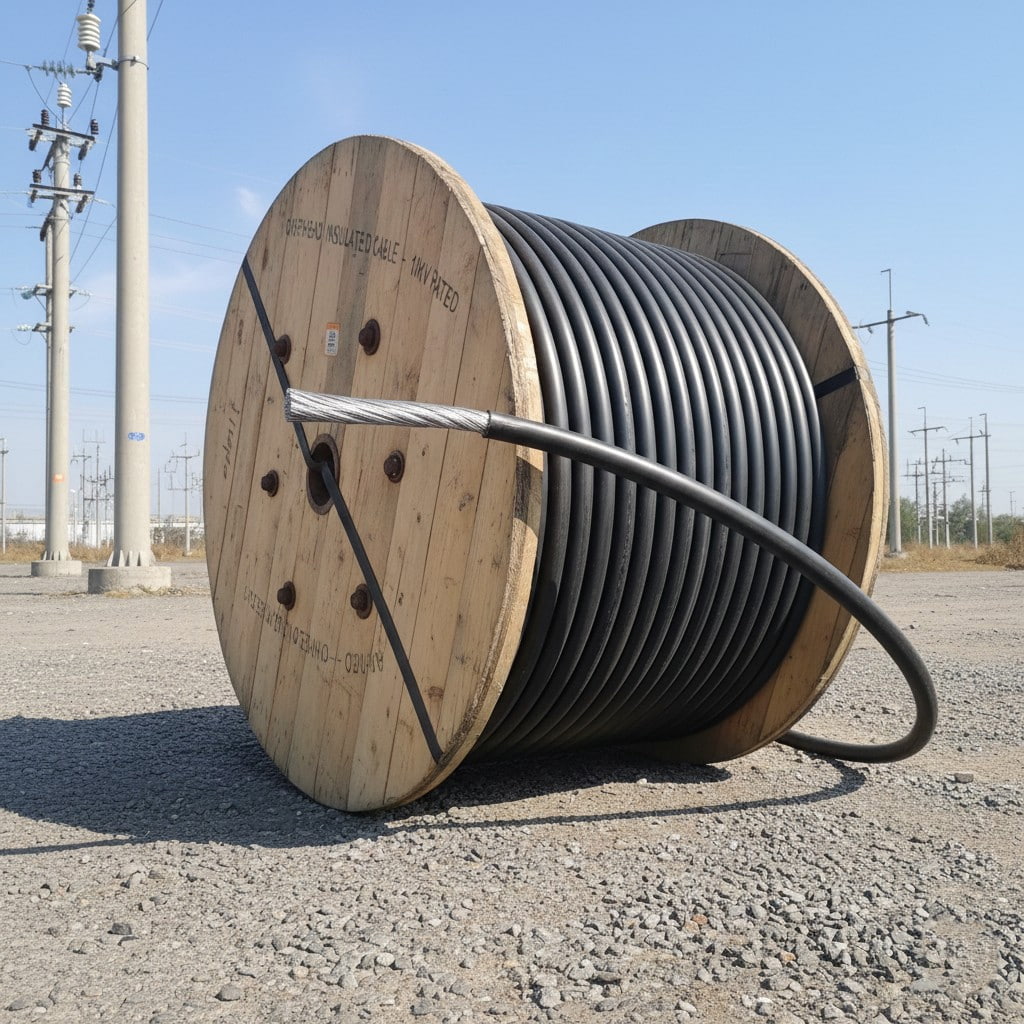
Product Overview: This product is an overhead insulated cable specifically designed for 10kV distribution networks, using cross-linked polyethylene (XLPE) as the insulation layer. It upgrades traditio...
See Details -
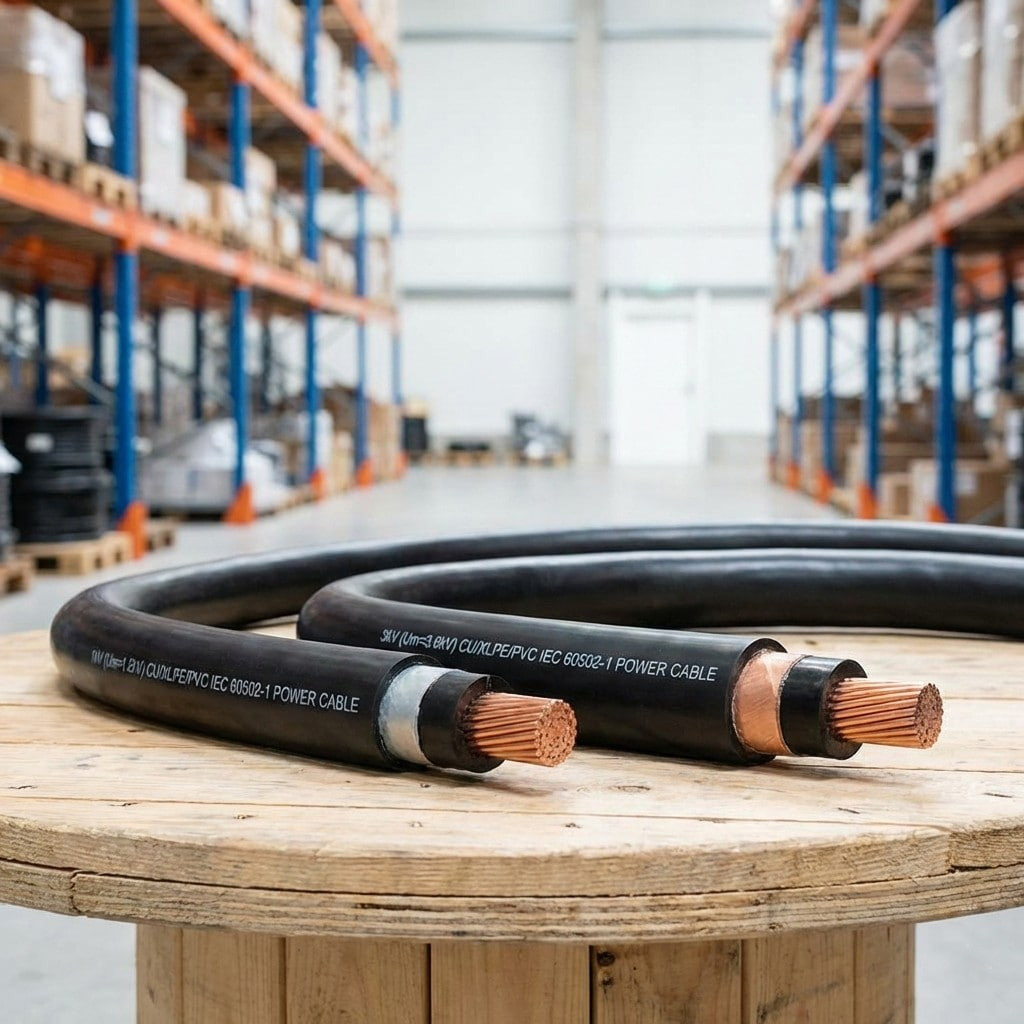
Product Definition: Low-voltage extrusion-insulated power cable for 1kV and 3kV systems, made with high-conductivity copper or aluminum conductors and premium extrusion insulation.
See Details -
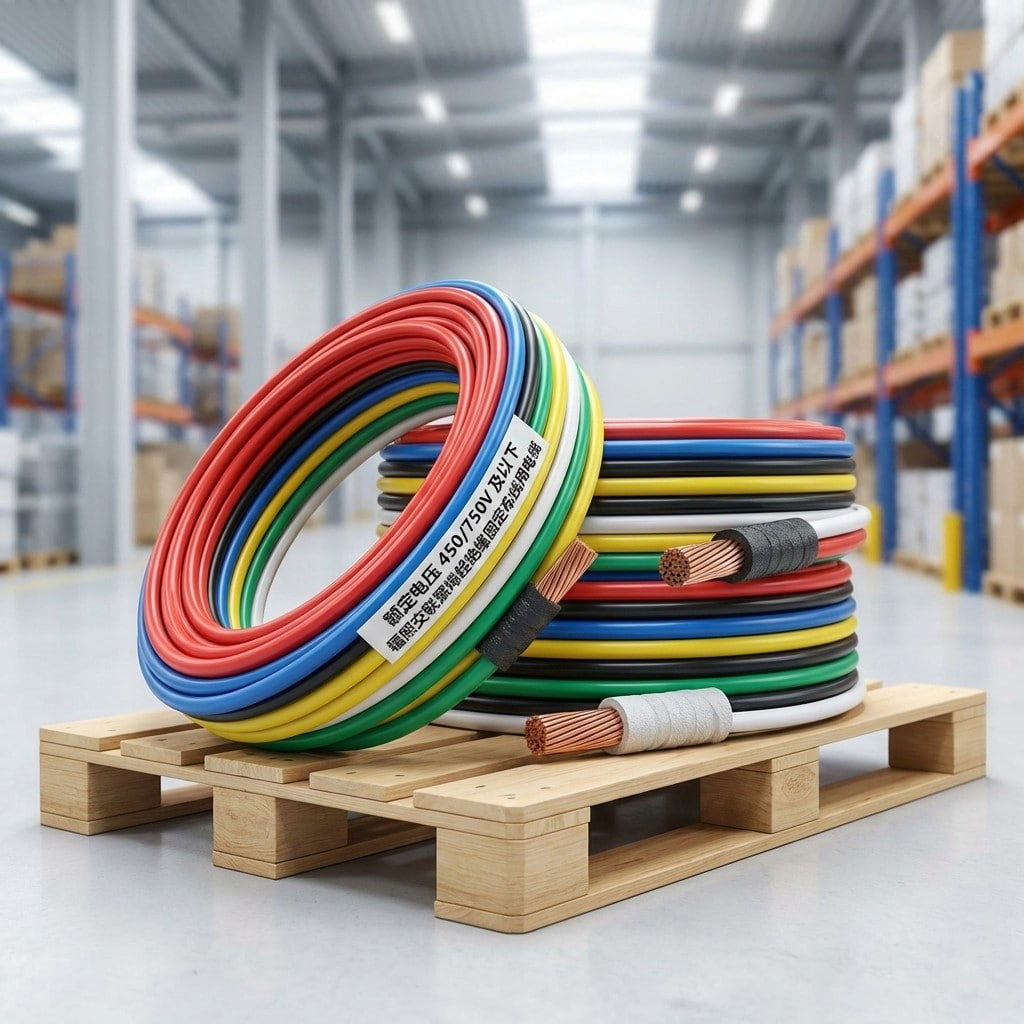
Product Overview:This product is made of high-quality polyolefin material through an electron irradiation cross-linking process. It is suitable for fixed installations with rated voltages of 450/750V ...
See Details -
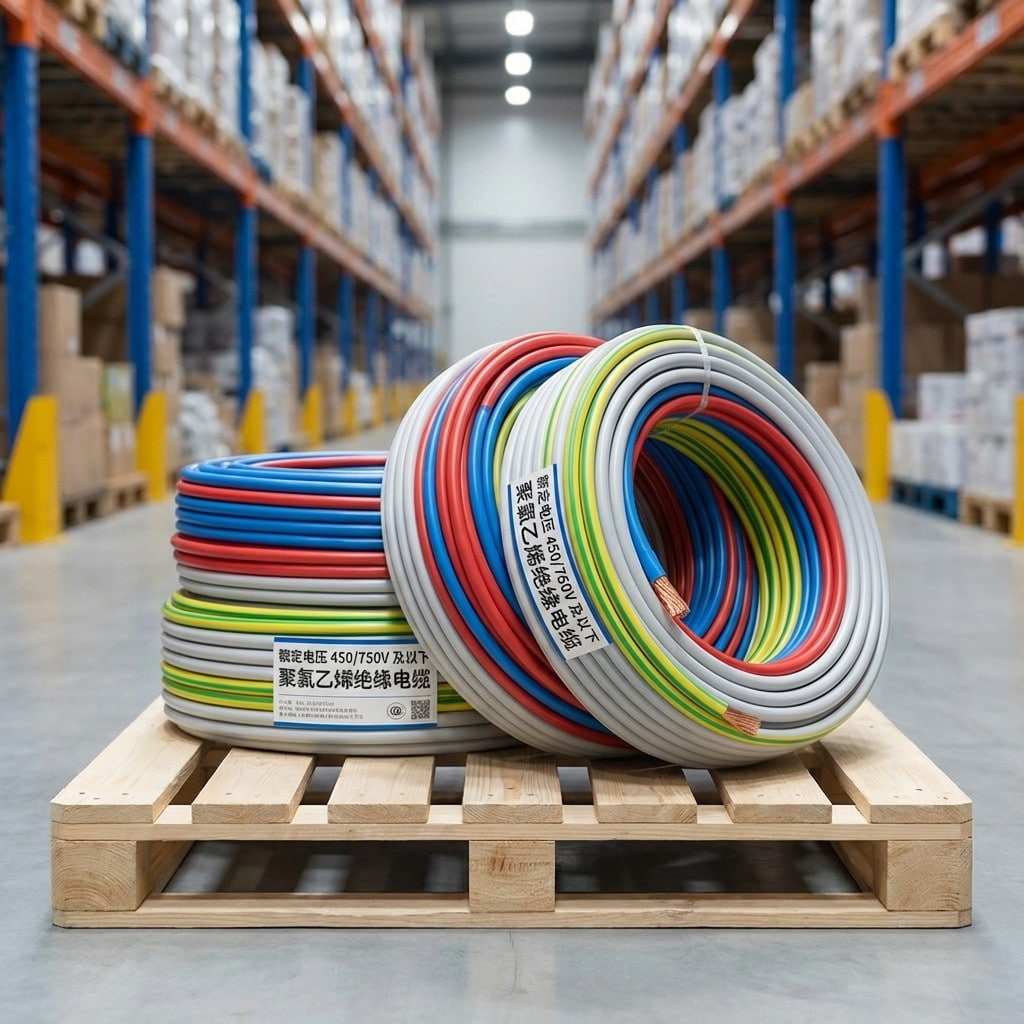
Product Overview: This series consists of general-purpose wires and cables with a rated voltage of 450/750V and below, using polyvinyl chloride (PVC) insulation and sheathing. Featuring mature technol...
See Details -
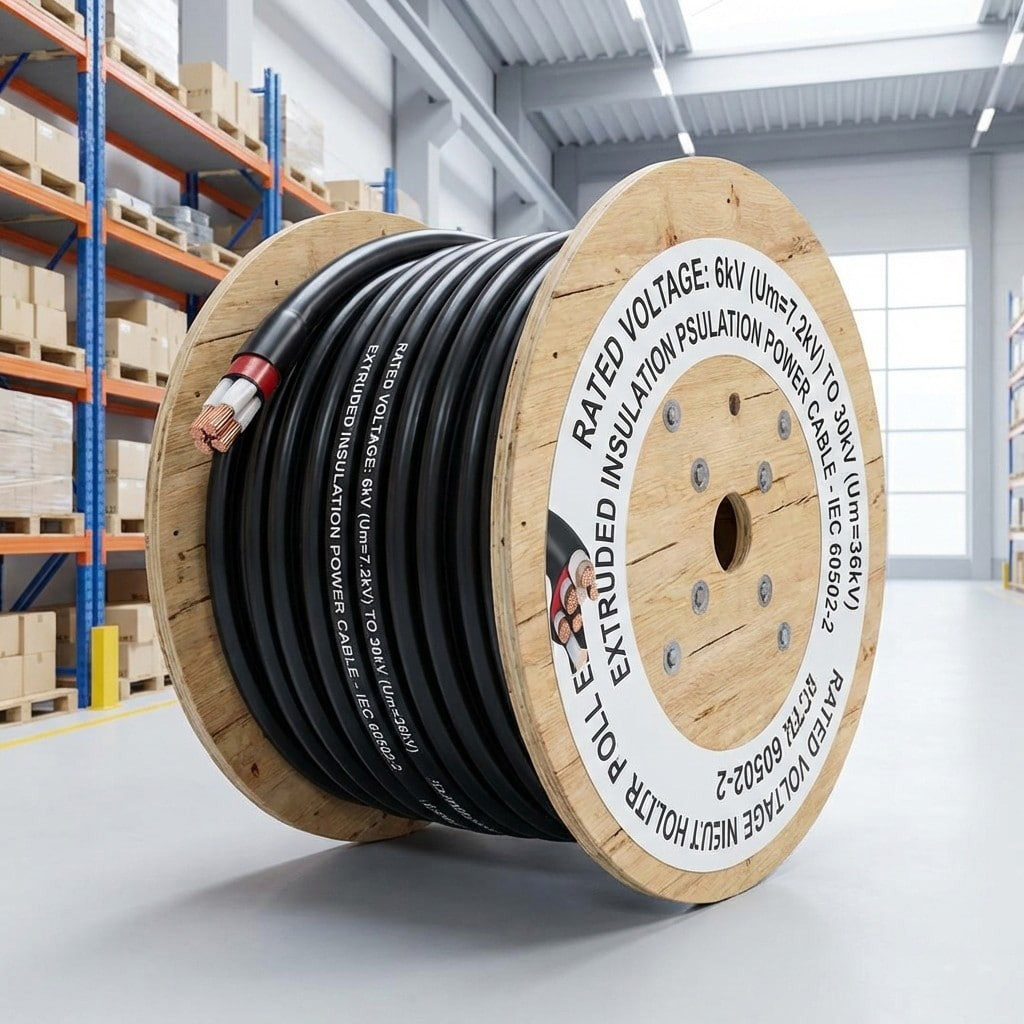
Product Definition: Medium-voltage extrusion-insulated power cable for 6kV to 30kV systems, using high-quality copper or aluminum conductors and premium insulation materials, designed for medium-volta...
See Details
- About Us
- Company Profile
- History
- Smart Factory
- Resources
- Resources
- Technical Datasheets
- Product Catalogs
- Certificates & Compliance
- Industry Standards
- FAQs
- News
- Products
- Power Cables
- Electrical Equipment Cables
- Wind Power Cables
- Photovoltaic / Energy Storage Cables
- Overhead Cables
- Rail Transit
- Contact
- Contact
- Contact Meaia
-
Mobile QR code

Back to top

