
 English
  中文简体
中文简体 

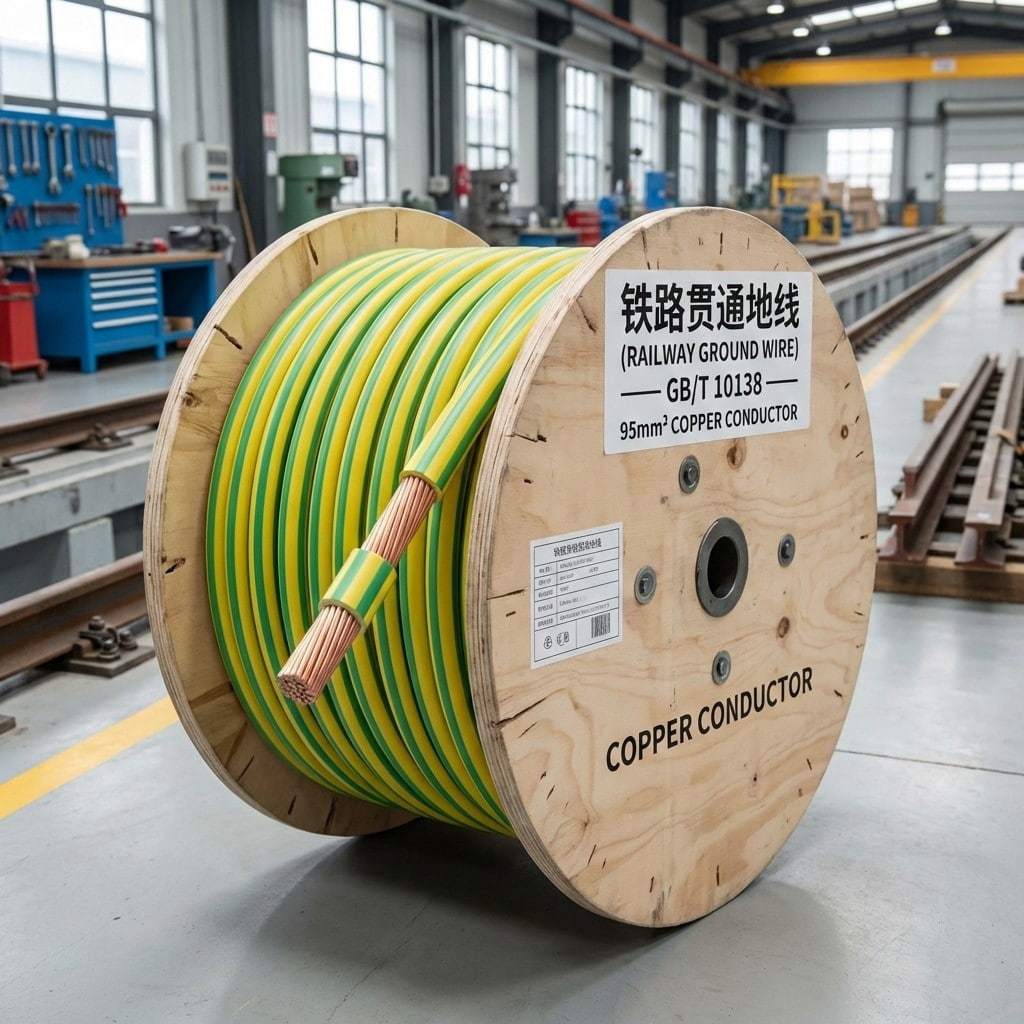
Product Overview: Railway through grounding wires are dedicated grounding conductors laid along the entire length of a railway line, forming the core framework of the railway's integrated grounding sy...
See Details
Rail Transit Cables: Complete Guide for Metro, Light Rail and HSR
Jul 27,2026
Rail Transit Solutions
Rail Transit Cables
Rail transit cables are specialized cables engineered for use in metro, light rail, high-speed rail, and tram systems. They provide reliable power transmission, signaling, control, and communication in demanding transit environments where safety and performance are critical.
Metro SystemsUrban rail networks
Light RailTrams & streetcars
High-Speed RailHSR networks
SignalingTrain control systems
What Are Rail Transit Cables
Rail transit cables are cables specifically engineered for use in rail transportation systems. They must meet stringent safety, fire resistance, and durability requirements to ensure reliable operation in tunnels, stations, and along tracks. These cables are used for traction power supply, signaling, communication, lighting, and control systems. They are designed to withstand vibration, temperature variations, and potential mechanical damage.
Rail transit cables are manufactured with special materials such as cross-linked polyethylene (XLPE) insulation, ethylene propylene rubber (EPR), and low smoke zero halogen (LSZH) sheathing to meet fire safety standards. They also incorporate shielding to protect signal integrity in electrically noisy environments. The combination of robust construction and high-performance materials ensures long service life with minimal maintenance.
Key Features of Rail Transit Cables
Fire Resistance
Low smoke, halogen-free materials prevent flame spread and reduce toxic emissions during fire events, protecting passengers and first responders.
Durability
Designed for long service life with resistance to vibration, abrasion, mechanical stress, and environmental exposure in tunnels and along tracks.
Signal Integrity
Advanced shielding and construction ensure reliable data transmission without electromagnetic interference from traction power or other sources.
Voltage Ratings
Available in 0.6/1kV, 1.8/3kV, 3.6/6kV, and higher voltage configurations for traction power and distribution applications.
Temperature Range
Engineered to perform reliably in extreme temperatures from -40°C to +90°C, suitable for diverse climate conditions and operational demands.
Water Resistance
Water-blocking materials and construction prevent moisture ingress, ensuring reliable operation in tunnels, underground installations, and wet environments.
Mechanical Strength
Reinforced construction with armor or braided shielding provides protection against crushing, impact, and rodent damage in harsh environments.
Flexibility
Designed for easy installation in confined spaces with bending radius suitable for tunnels, cable trays, and tight corners.
Applications in Rail Transit Systems
Rail transit cables are used across a wide range of applications within rail infrastructure:
Traction Power Supply
Power supply cables for trains, including overhead catenary systems, third rail systems, and substation connections. These cables carry high currents at medium voltages to propel trains along the network.
Signaling Systems
Cables for train control, signaling, interlocking systems, and track circuits. Reliable signaling cables ensure safe train separation and prevent collisions.
Communication Networks
Data and communication cables for passenger information systems, CCTV surveillance, public address systems, and voice communication between control centers and trains.
Station Systems
Building services, lighting, fire alarm, and control cables for metro and railway stations, ensuring passenger safety and operational efficiency.
Rolling Stock
Cables installed on trains for internal power distribution, control systems, lighting, and passenger services, requiring flexibility and fire safety.
SCADA and Automation
Control cables for supervisory control and data acquisition systems, enabling remote monitoring and control of rail infrastructure.
Standards and Compliance
Rail transit cables must comply with international and regional standards to ensure safety, interoperability, and performance.
EN 50264
Railway applications - cables for rolling stock - general requirements
EN 50306
Railway applications - cables for rolling stock with special fire performance
EN 50382
Railway applications - cables for rolling stock with high temperature capability
IEC 60332
Fire performance testing for cables - flame retardance
IEC 61034
Smoke density measurement for cables during fire
IEC 60754
Halogen gas measurement for cables during combustion
IEC 60502
Power cables for rated voltages 1kV to 30kV
NFPA 130
Fire protection standard for rail transit systems
Comparison: Rail Transit Cables vs General Industrial Cables
Rail Transit Cables
- Low smoke, halogen-free fire performance
- High mechanical strength and abrasion resistance
- Superior shielding for signal integrity
- Wide temperature range (-40°C to +90°C)
- Water-blocking for underground use
- Compliance with railway-specific standards
General Industrial Cables
- Standard fire performance
- Basic mechanical protection
- Limited shielding options
- Narrower temperature range
- Limited water resistance
- General industrial standards
Selection Guide for Rail Transit Cables
01
Determine voltage requirements
Identify the system voltage level for traction power (0.6/1kV, 1.8/3kV, 3.6/6kV) or control systems.
02
Assess fire safety requirements
Select cables with appropriate fire performance (LSZH, flame retardance, smoke density) based on tunnel and station safety standards.
03
Evaluate environmental conditions
Consider temperature range, water exposure, mechanical stress, and chemical exposure in the installation environment.
04
Check shielding needs
Determine if shielding is required for signal integrity in electrically noisy environments with traction power and other interference sources.
05
Verify standards compliance
Ensure cables meet relevant standards including EN 50264, EN 50306, and IEC fire performance specifications.
06
Consider installation factors
Evaluate cable flexibility, bending radius, and termination requirements for the specific installation method and location.
Frequently Asked Questions
What are rail transit cables?
Rail transit cables are cables specifically designed for use in rail transportation systems, including metro, light rail, high-speed rail, and tram networks.
What standards apply to rail transit cables?
Key standards include EN 50264, EN 50306, EN 50382 for rolling stock cables, plus IEC 60332, IEC 61034, and IEC 60754 for fire performance.
What is the fire resistance requirement for rail cables?
Rail cables are required to be low smoke, halogen-free (LSZH) and resist flame spread to ensure passenger safety in tunnels and stations.
What voltage ratings are available for rail transit cables?
Voltage ratings range from 0.6/1kV for distribution up to 3.6/6kV and higher for traction power applications.
Are rail transit cables water-resistant?
Yes, rail transit cables are designed with water-blocking materials and construction for reliable operation in tunnels and underground installations.
What is the difference between rail transit cables and general industrial cables?
Rail transit cables have stricter fire safety requirements, better shielding for signal integrity, wider temperature ranges, and higher mechanical strength compared to general industrial cables.
What is LSZH cable?
LSZH stands for Low Smoke Zero Halogen. These cables emit minimal smoke and no toxic halogen gases when exposed to fire, making them safer for enclosed spaces like tunnels.
Choosing the right rail transit cables is essential for safety, reliability, and regulatory compliance.
Consider voltage ratings, fire performance, environmental conditions, and applicable standards when selecting cables for your rail project.
Related products
-
-
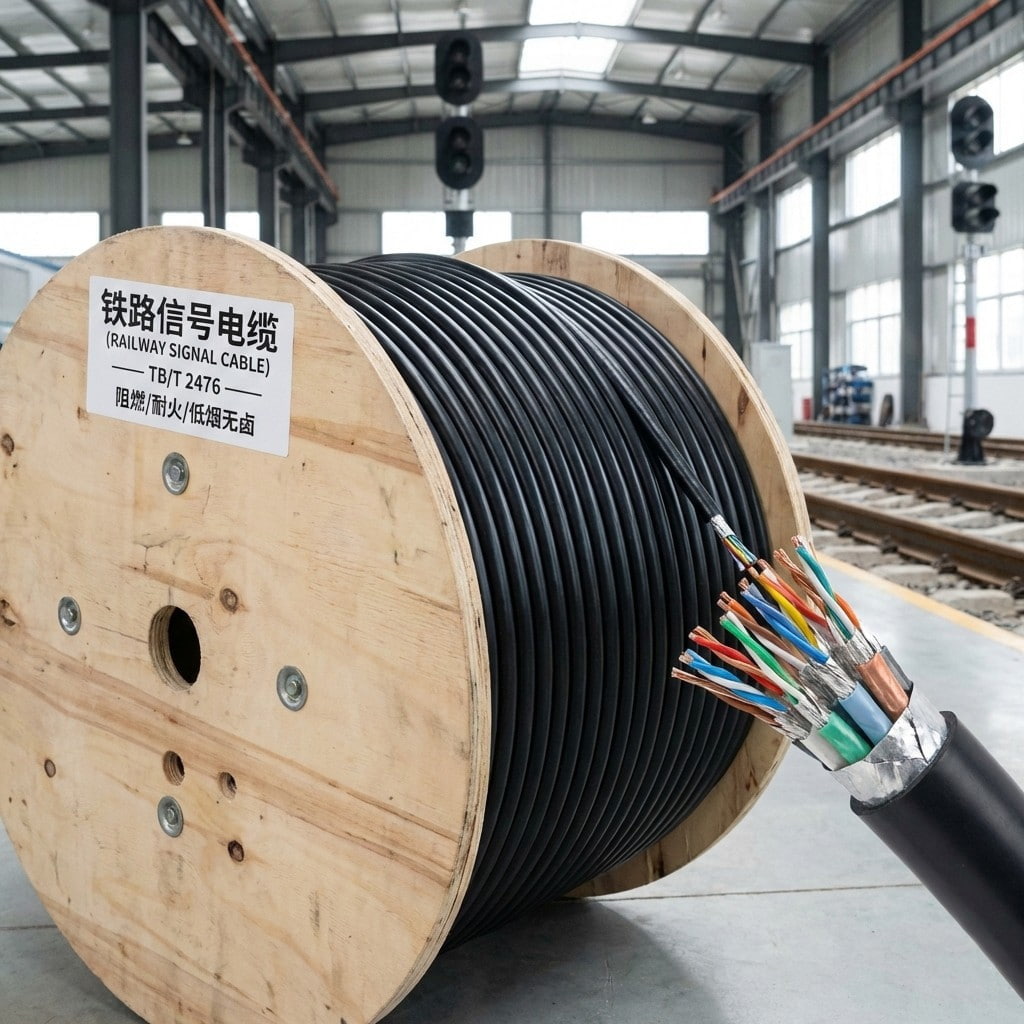
Product Introduction: Railway signal cables are specifically designed for rail transit signaling systems, used to transmit control commands, monitoring information, and communication data. These cable...
See Details -
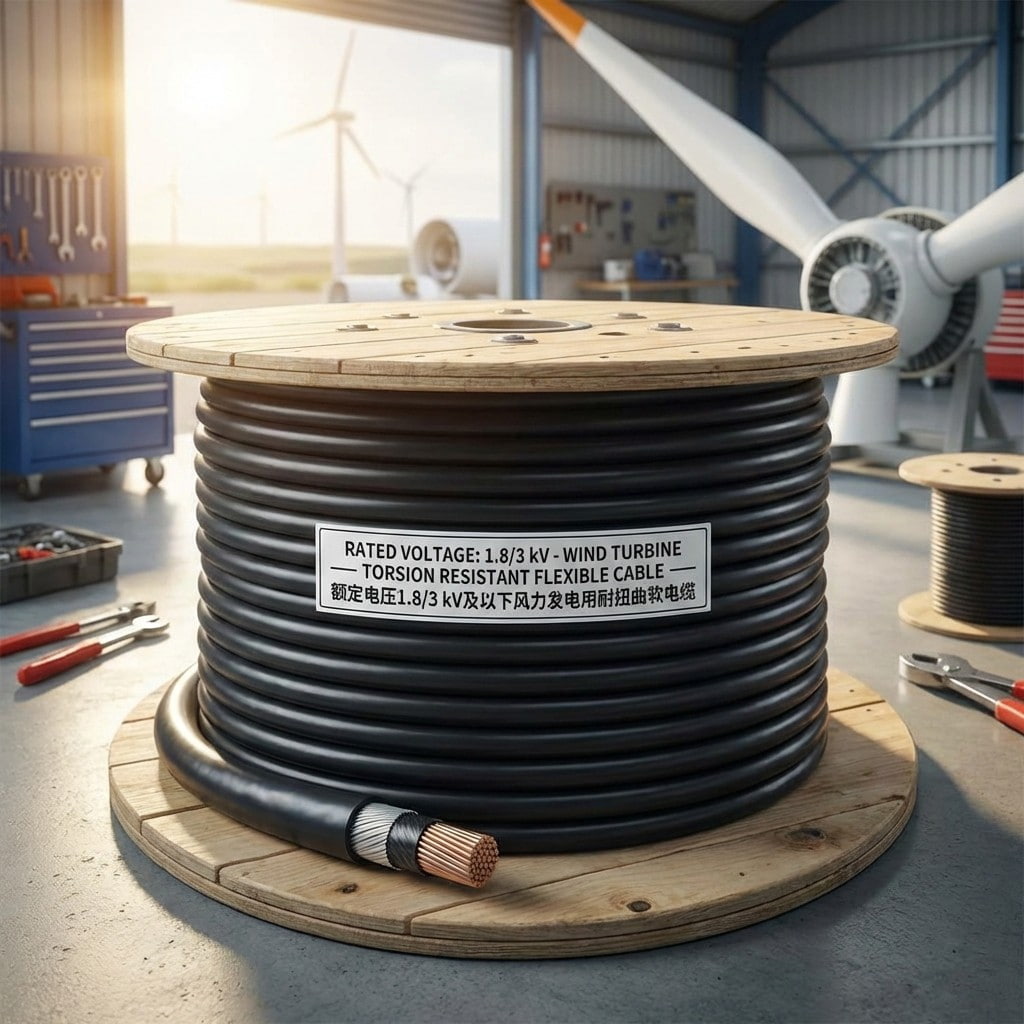
Product Introduction: Designed specifically for the harsh operating environment of wind power systems, meeting the requirements of continuous torsion and bending during mobile installation within the...
See Details -
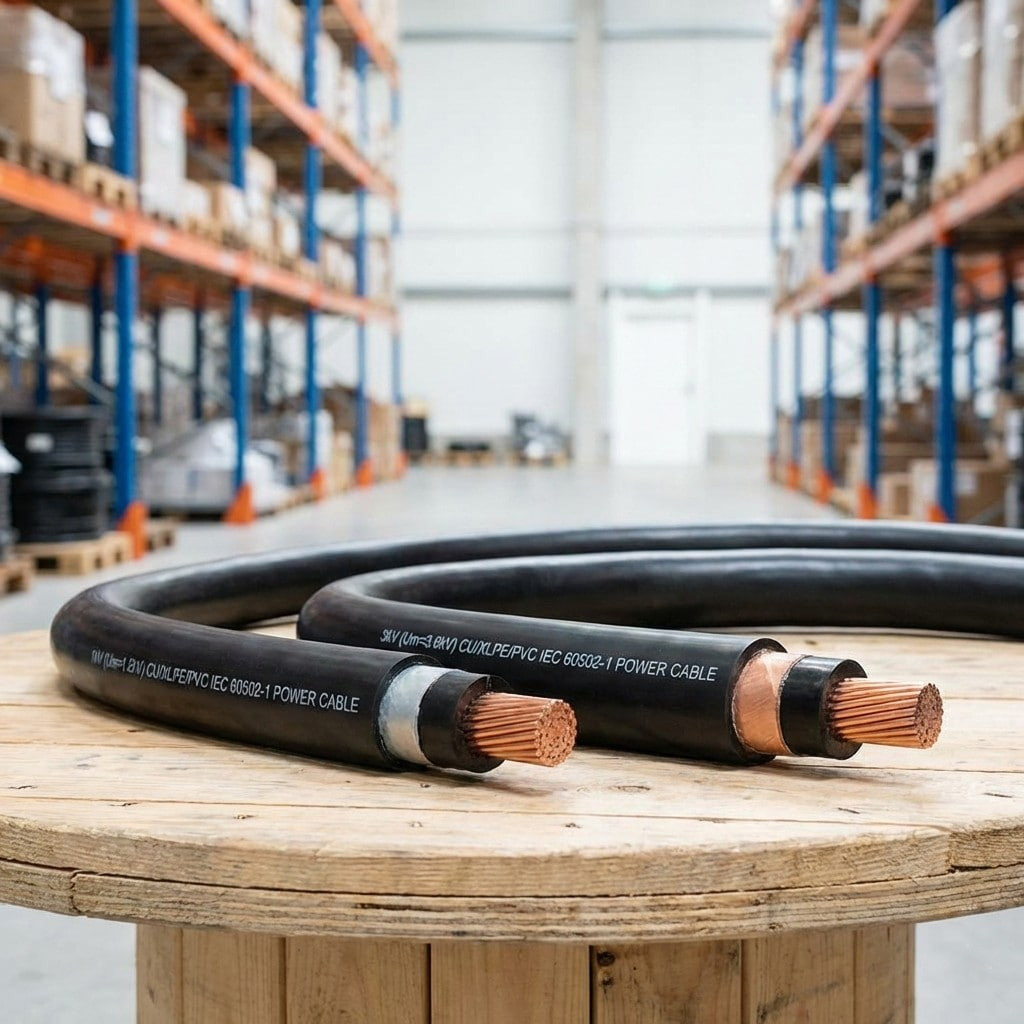
Product Definition: Low-voltage extrusion-insulated power cable for 1kV and 3kV systems, made with high-conductivity copper or aluminum conductors and premium extrusion insulation.
See Details -
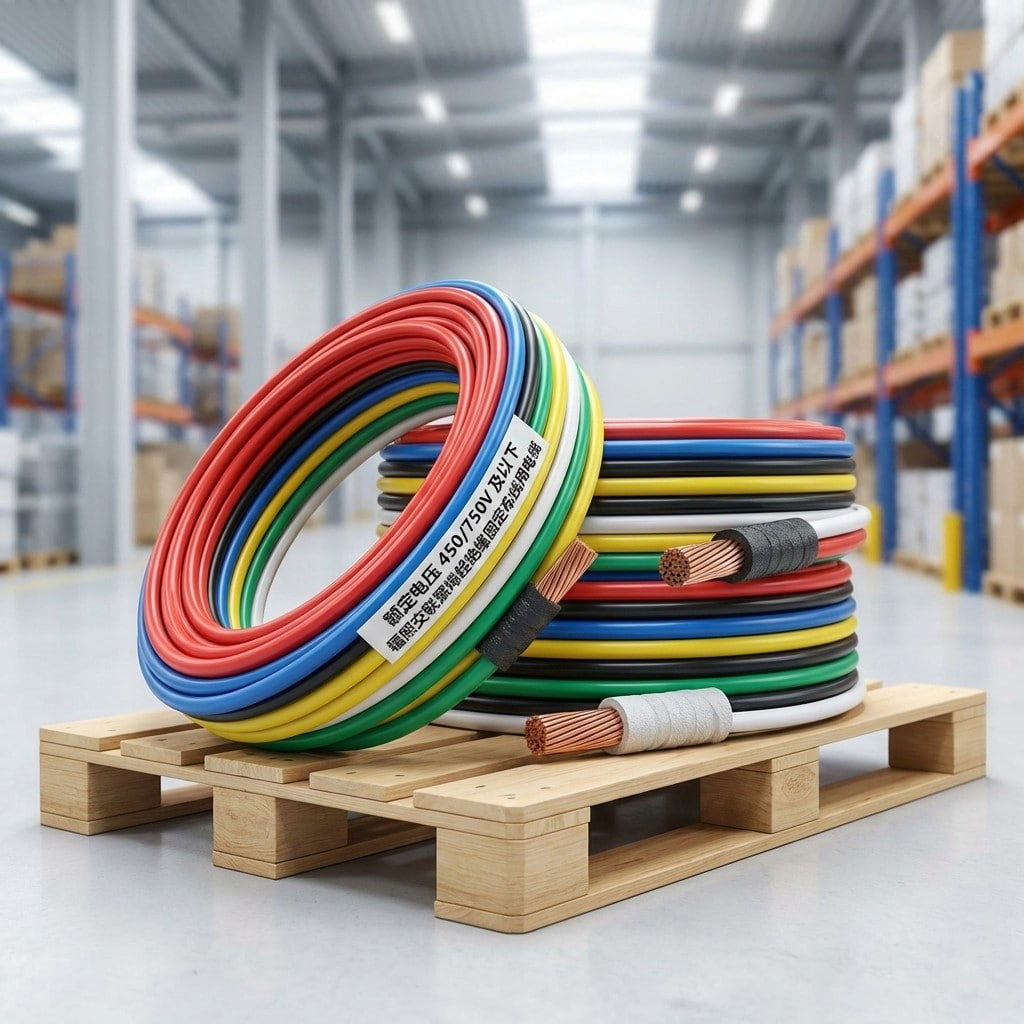
Product Overview:This product is made of high-quality polyolefin material through an electron irradiation cross-linking process. It is suitable for fixed installations with rated voltages of 450/750V ...
See Details -
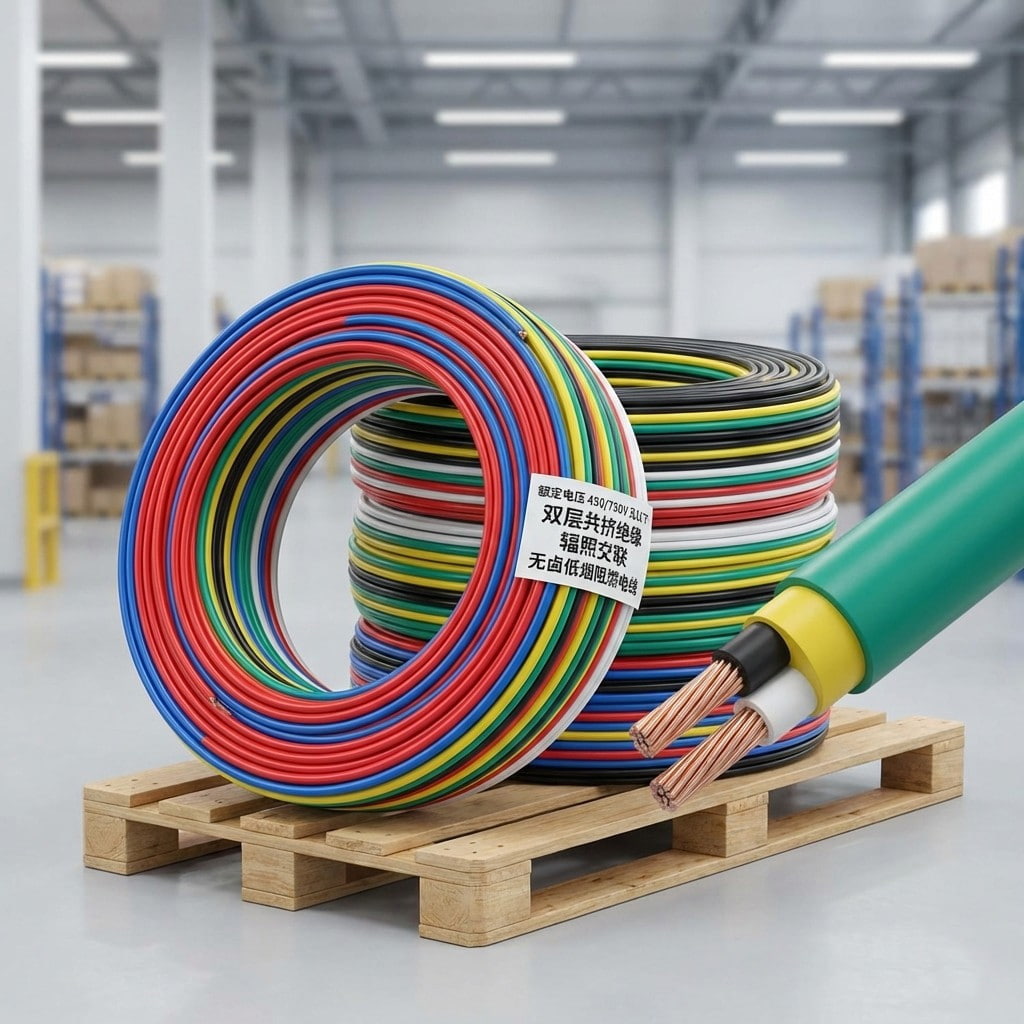
Product Overview: This product utilizes a double-layer co-extrusion insulation and electron irradiation cross-linking process, possessing halogen-free, low-smoke, and flame-retardant properties. It i...
See Details
- About Us
- Company Profile
- History
- Smart Factory
- Resources
- Resources
- Technical Datasheets
- Product Catalogs
- Certificates & Compliance
- Industry Standards
- FAQs
- News
- Products
- Power Cables
- Electrical Equipment Cables
- Wind Power Cables
- Photovoltaic / Energy Storage Cables
- Overhead Cables
- Rail Transit
- Contact
- Contact
- Contact Meaia
-
Mobile QR code

Back to top

