
 English
  中文简体
中文简体 

Product Overview: Railway through grounding wires are dedicated grounding conductors laid along the entire length of a railway line, forming the core framework of the railway's integrated grounding sy...
See Details
Railway Through-Ground Conductor: Function, Materials, and Selection Guide
Aug 24,2026
Content
- 1 What Is a Railway Through-Ground Conductor?
- 2 Why Rail Potential Must Be Kept Under Control
- 3 Material Choices: Copper vs. Copper-Clad Steel
- 4 How the Through-Ground Conductor Is Integrated into a Railway
- 5 What to Verify Before You Buy
- 6 Why the Supplier Should Understand the Whole Rail Earthing System
Track circuits that keep showing a block as occupied, with no train in sight, send maintenance crews chasing a phantom fault. In many cases the real problem is not the signal system at all but an unstable rail-to-earth potential. The component that keeps that potential in check, and the one most often underestimated at the design stage, is the railway through-ground conductor. It provides a controlled, low-impedance path for fault, surge, and leakage currents to reach a remote earth, while preserving the impedance balance that track-circuit signaling depends on.
What Is a Railway Through-Ground Conductor?
A railway through-ground conductor is a longitudinal earthing conductor installed parallel to the track, typically in a cable trench, a protected duct, or direct burial. It runs continuously for long line sections and connects earth electrodes, equipment earthing points, and structural bonding points into one earthing bus.
Strictly speaking, it is not a simple grounding conductor. At most locations the rail and the earthing system stay coupled through impedance bonds, discharge gaps, or other defined connections, so normal traction return current remains in the rails. Only defined events, such as faults, lightning currents, and switching surges, are directed into the earth path. In project engineering this function is assigned to a dedicated railway through-ground conductor, not to structural rebar, conduit, or the armouring of adjacent cables. It should also not be confused with the traction return conductor or the overhead line protective wire.
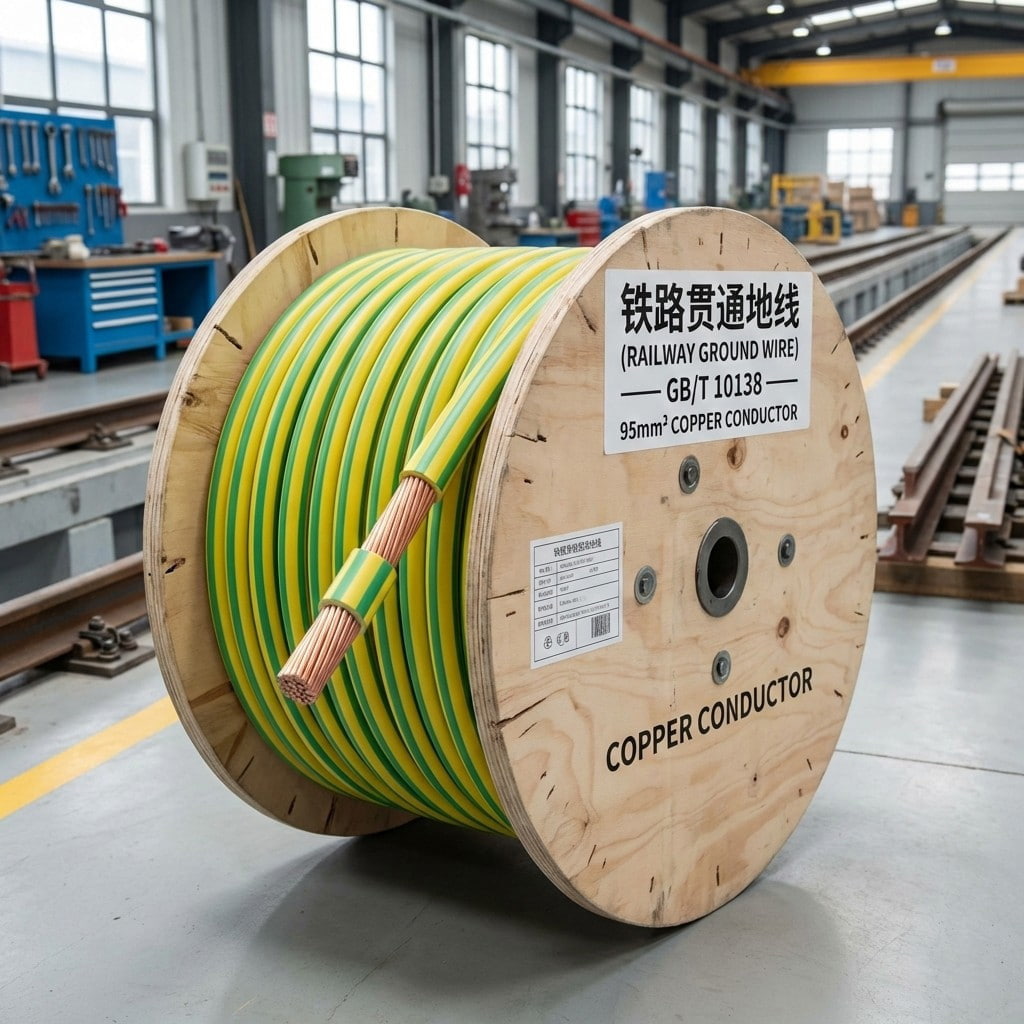 Wholesale Railway Through-ground Conductor Supplier, OEM/ODM CompanyJiangsu Qucheng Cable Technology Co., Ltd. is a China Wholesale Railway Through-ground Conductor Supplier and OEM/ODM Company, Core Advan...View Product →
Why Rail Potential Must Be Kept Under Control
If you control rail potential, you protect people, equipment, and the signaling system, in that order. An uncontrolled rise in rail potential does not cause one kind of damage; it causes several at the same time.
Personnel safety
Traction return currents in a metro or main-line system can reach thousands of amperes during a fault. Without a through-ground path, that current forces the rail potential up relative to ground and creates touch and step voltages at platforms, station equipment, and maintenance walkways. Rail earthing practice generally holds touch voltage within a defined limit, commonly no more than 60 V DC for continuous exposure; anything above that is judged by protection time, not by chance.
Signaling and track-circuit compatibility
Track circuits use the rails as part of the signal circuit. If the rails are tightly earthed at every support or joint, the track circuit is effectively short-circuited. The through-ground conductor must therefore present a low-impedance earth path at the right moments and the right intervals, working with impedance bonds and isolating devices rather than against them.
Protection of buried metallic infrastructure
An uncontrolled earthing system turns every buried metal object into an unintended current collector. DC stray current from traction corrodes steel reinforcement, pipelines, and other services. The through-ground conductor intercepts much of that stray current and returns it to the source, which is why its design directly affects the service life of tunnels and buried utilities. The same low-impedance path also gives lightning currents a defined route to spread and decay before they reach signal equipment.
Material Choices: Copper vs. Copper-Clad Steel
For most lines, copper-clad steel is the dominant material for a through-ground conductor because it balances conductivity with the tensile strength that long, continuous installations require. Solid copper is reserved for specific conditions in which maximum conductance and corrosion performance dominate every other consideration.
Copper-clad steel
A copper-clad steel (CCS) conductor consists of a high-strength steel core with a metallurgically bonded copper layer. The steel core provides the pulling strength needed for long duct runs and overhead traction corridors, while the copper layer carries the majority of the fault current. CCS also reduces the scrap value that drives cable theft on remote line sections, a practical cost risk that is easy to overlook.
Solid copper
Solid copper offers the lowest DC resistance and the best long-term corrosion performance in chemically aggressive soils. Its lower tensile strength and higher cost limit it to sections where voltage drop over a long feeder must be minimized or where environmental conditions make a steel core unacceptable.
| Property | Copper-clad steel (CCS) | Solid copper |
|---|---|---|
| DC resistance per unit length | Higher than copper; depends on copper-layer thickness | Lowest |
| Tensile strength | High, due to the steel core | Moderate |
| Corrosion resistance | Good; adequate for most soils | Excellent |
| Typical cross-sections | 25, 35, and 50 mm² | 25 to 70 mm² |
| Preferred applications | Main line, high-speed, metro | Coastal, tunnel, and aggressive-soil sections |
The practical takeaway: specify the cross-section and the DC resistance limit together, and do not accept a change of material class without re-checking both.
How the Through-Ground Conductor Is Integrated into a Railway
A through-ground conductor works only if the rest of the earthing system is designed around it. Electrode spacing, connection intervals, and signaling interfaces all have to match.
At-track connections and spacing
The conductor connects to the rail at defined intervals, commonly every 300 to 500 m on main lines, through bonding and discharge devices selected for the track circuit type. Additional bonds are installed at turnouts, level crossings, and signal locations to keep the earth system continuous. The exact spacing is a calculation, not a habit, because it depends on track-circuit type, soil resistivity, and the magnitude of traction current.
Tunnels, bridges, and traction substations
In tunnels, the conductor is installed in a cable duct and bonded to tunnel reinforcement at regular points so that the reinforcement does not become an uncontrolled parallel earth path. On bridges, expansion movement has to be absorbed at the joints, which is another reason the mechanical properties of the conductor matter as much as its electrical values. At traction substations, the through-ground conductor ties into the station ground grid and the contact-line support grounding, so the entire system shares one reference potential.
Interface with the signaling system
The earthing scheme and the track-circuit scheme must agree on every meter of the route. The signal circuit itself is carried in a dedicated railway signal cable, whose shielding and drain conductors need to follow the same grounding philosophy. When the two are designed separately, the result is exactly the intermittent faults described at the beginning of this article.
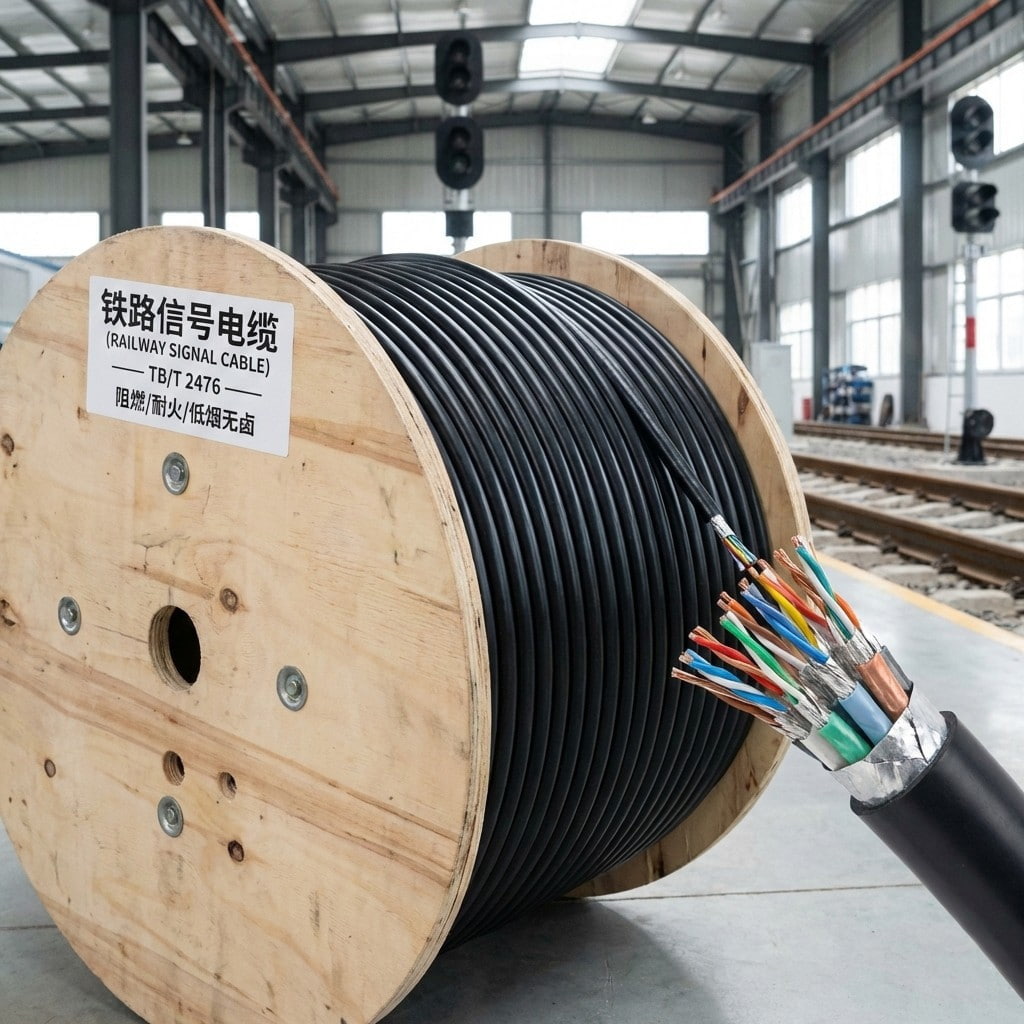 Wholesale Railway Signal Cable Supplier, OEM/ODM CompanyJiangsu Qucheng Cable Technology Co., Ltd. is a China Wholesale Railway Signal Cable Supplier and OEM/ODM Company, Product Advantages: ● ...View Product →
What to Verify Before You Buy
The technical risk in a through-ground conductor is rarely the material on the datasheet. It is the consistency of what is delivered and the documentation behind it.
DC resistance and cross-section
Request a test report for DC resistance per unit length and the actual copper-layer thickness of CCS material. A conductor that meets its nominal cross-section on paper but has a thin or poorly bonded copper layer will run hot and corrode long before its design life.
Drum length and joints
Every joint is a potential weak point for resistance and corrosion. Longer delivery lengths mean fewer joints. Verify the drum length, the approved jointing procedure, and whether the supplied accessories match the conductor material class.
Documentation and traceability
Rail project approvals increasingly require environmental documentation and full traceability. A manufacturer that publishes its ESG Report 2024 and product carbon footprint records has already built the documentation chain that a project audit will ask for. Management-system certifications such as ISO 9001 and CB are a minimum; what matters is whether they cover the actual production line rather than the company logo.
Before ordering, confirm at minimum:
- A DC resistance test certificate matching the delivered drum, not the brochure value.
- Copper-layer thickness and bond quality for CCS material.
- Drum length and the approved jointing procedure.
- Accessories compatible with the conductor material class.
Why the Supplier Should Understand the Whole Rail Earthing System
A through-ground conductor is not an isolated product. It sits on the same drawings as the rail bonding, the signal circuits, and the traction return system. Jiangsu Qucheng Cable Technology Co., Ltd., a cable manufacturer based in Yixing, Jiangsu, supplies the railway through-ground conductor as part of a broader rail transit portfolio that includes the railway signal cable and the locomotive and rolling stock power and control cable. That range matters in practice: when one manufacturer understands the conductor and the circuits around it, the earthing plan and the cable schedule remain consistent.
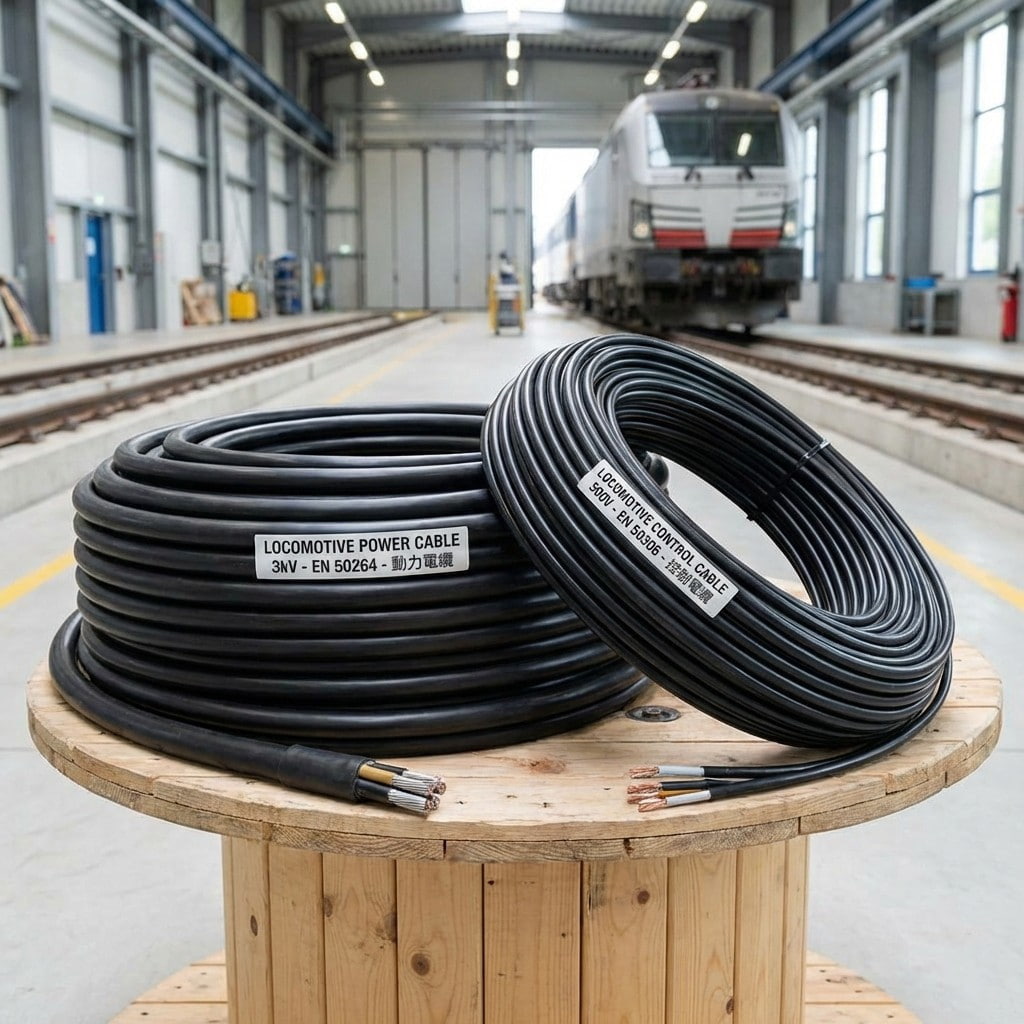 Locomotive and Rolling Stock Cables Suppliers, CompanyAs China locomotive and rolling stock cables suppliers and OEM/ODM comapny, Jiangsu Qucheng Cable Technology Co., Ltd. offer whoelsae Loc...View Product →
The same 40,000 m² production base also manufactures power cables, wind power cables, and photovoltaic and energy storage cables, so the rail product line shares the same quality system and testing infrastructure. For a project-specific grounding scheme, the manufacturer's solutions team can support technical selection, and samples and test reports are available for verification. Engineering and procurement teams working on rail projects in Southeast Asia and the Middle East can contact the manufacturer directly to review documentation and confirm delivery arrangements.
The core point is simple: rail potential control is a system property, not a single component's promise. Choose the conductor material for the actual soil and fault conditions, verify the delivered product with measurements rather than datasheets, and work with a supplier that treats the through-ground conductor as part of the railway's safety infrastructure. Done consistently, that approach removes one entire class of mysterious track-circuit faults.
Related products
-
-
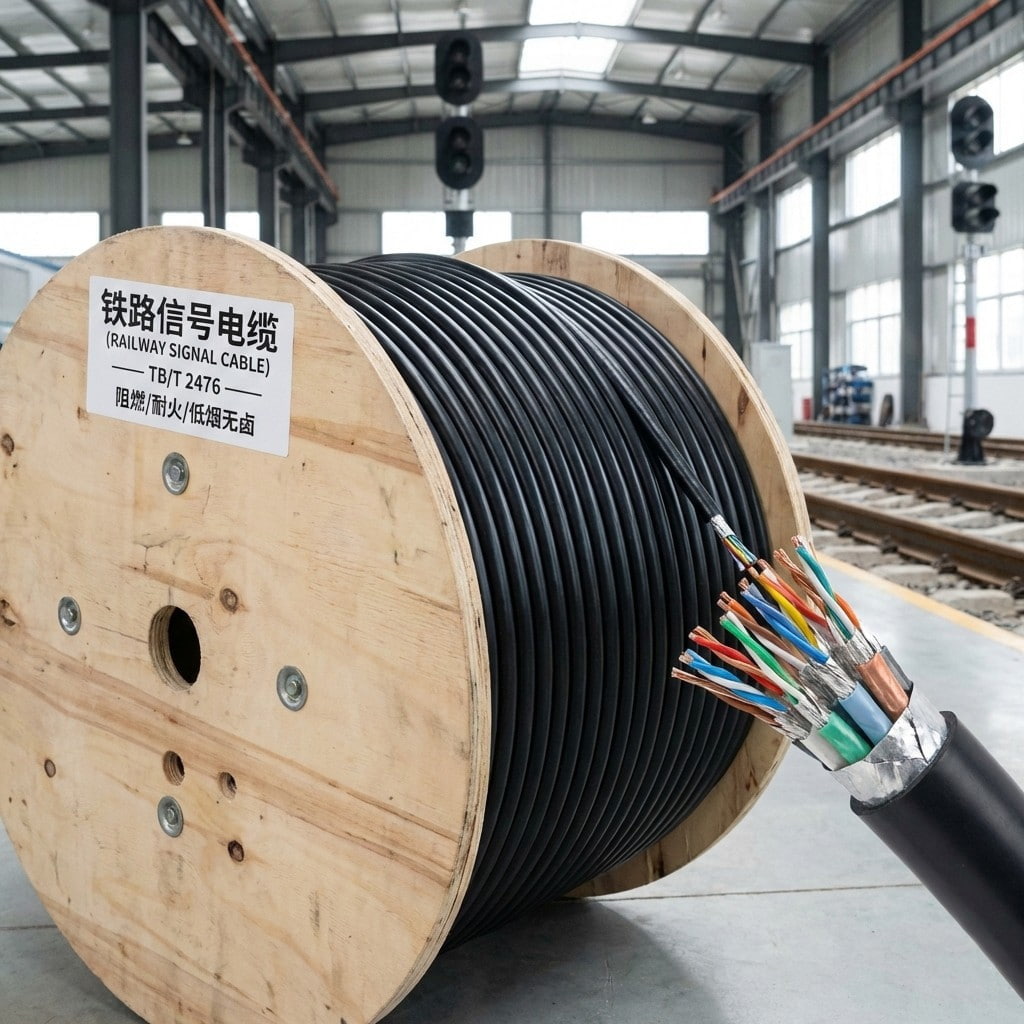
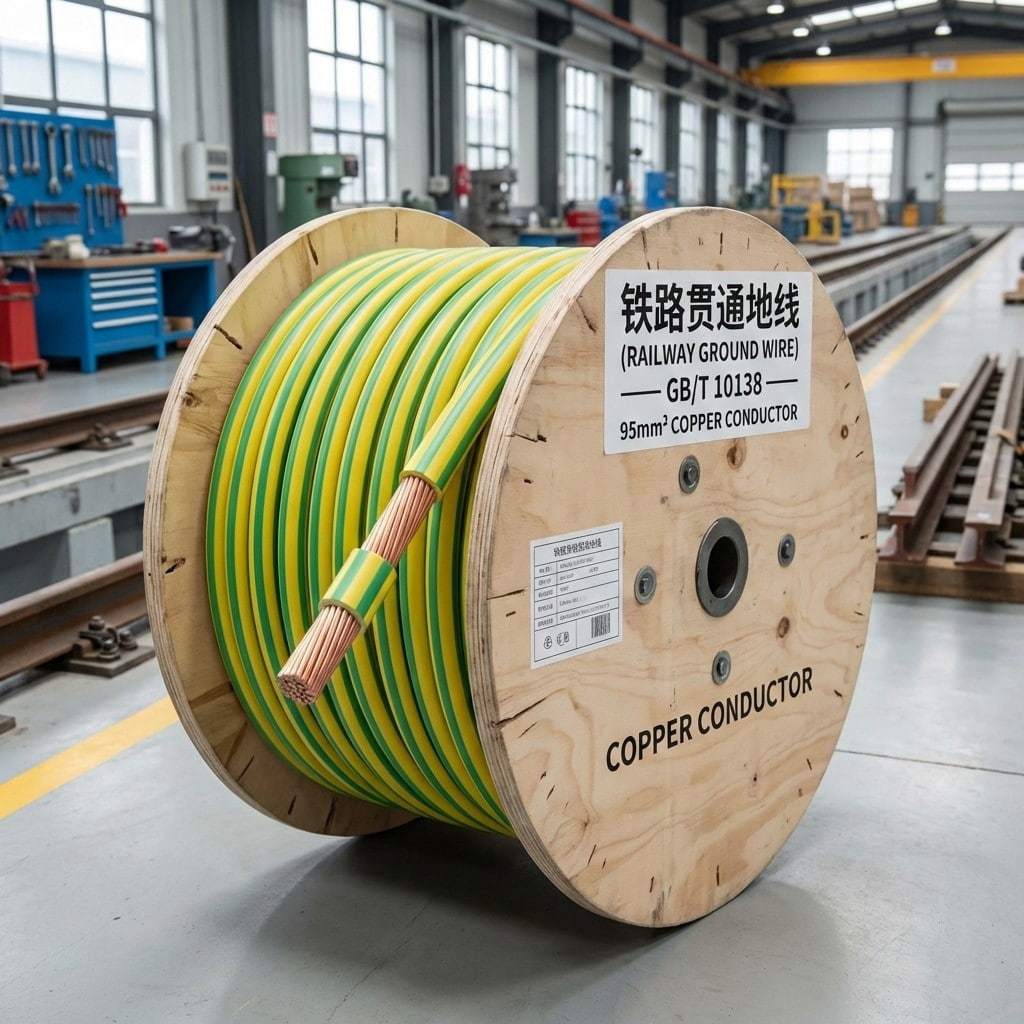
Product Introduction: Railway signal cables are specifically designed for rail transit signaling systems, used to transmit control commands, monitoring information, and communication data. These cable...
See Details -
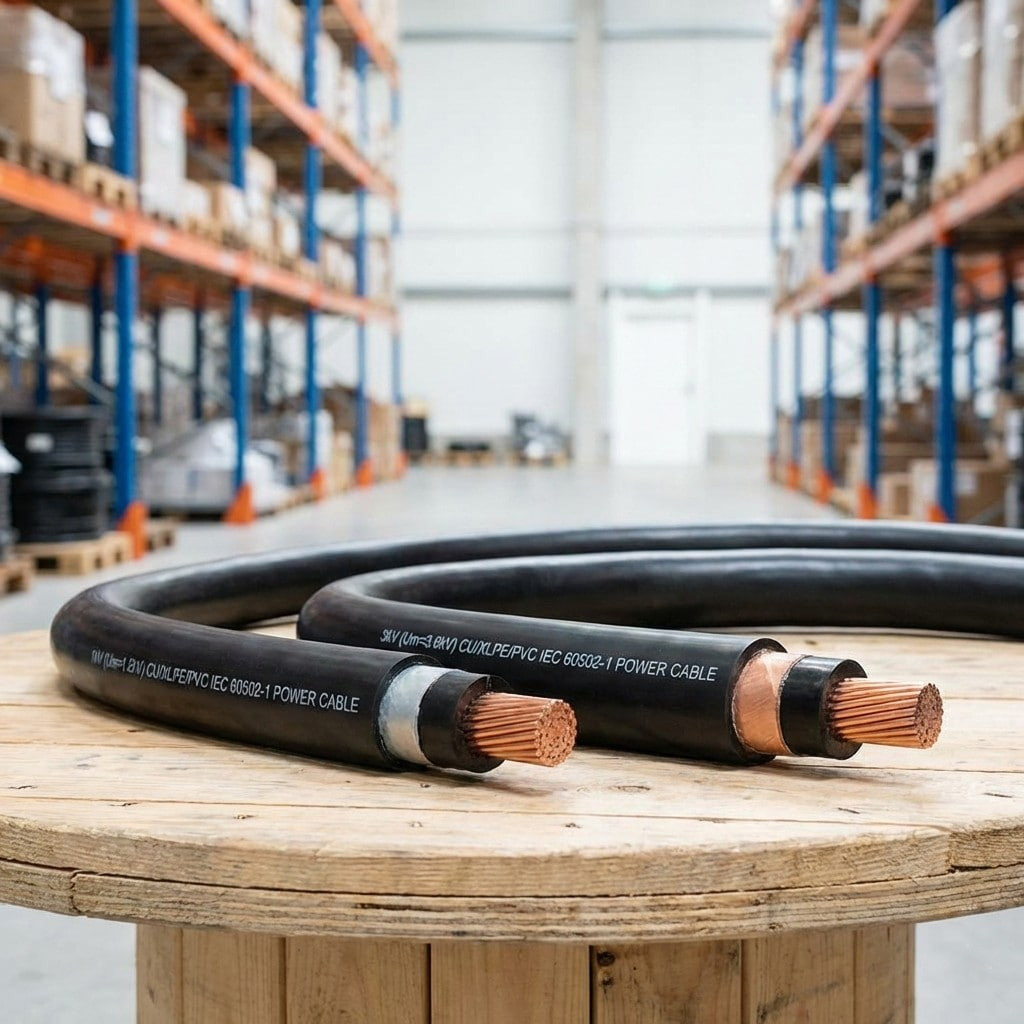
Product Definition: Low-voltage extrusion-insulated power cable for 1kV and 3kV systems, made with high-conductivity copper or aluminum conductors and premium extrusion insulation.
See Details -
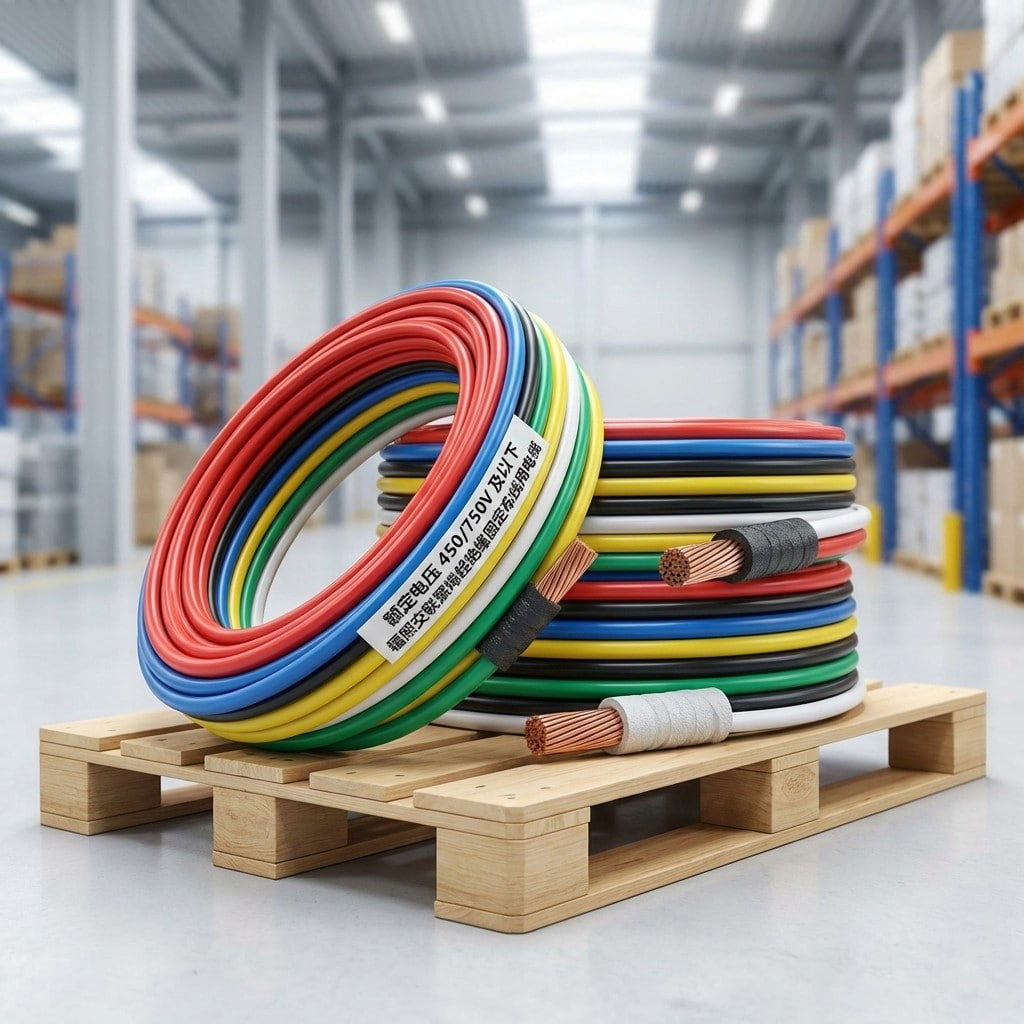
Product Overview:This product is made of high-quality polyolefin material through an electron irradiation cross-linking process. It is suitable for fixed installations with rated voltages of 450/750V ...
See Details -
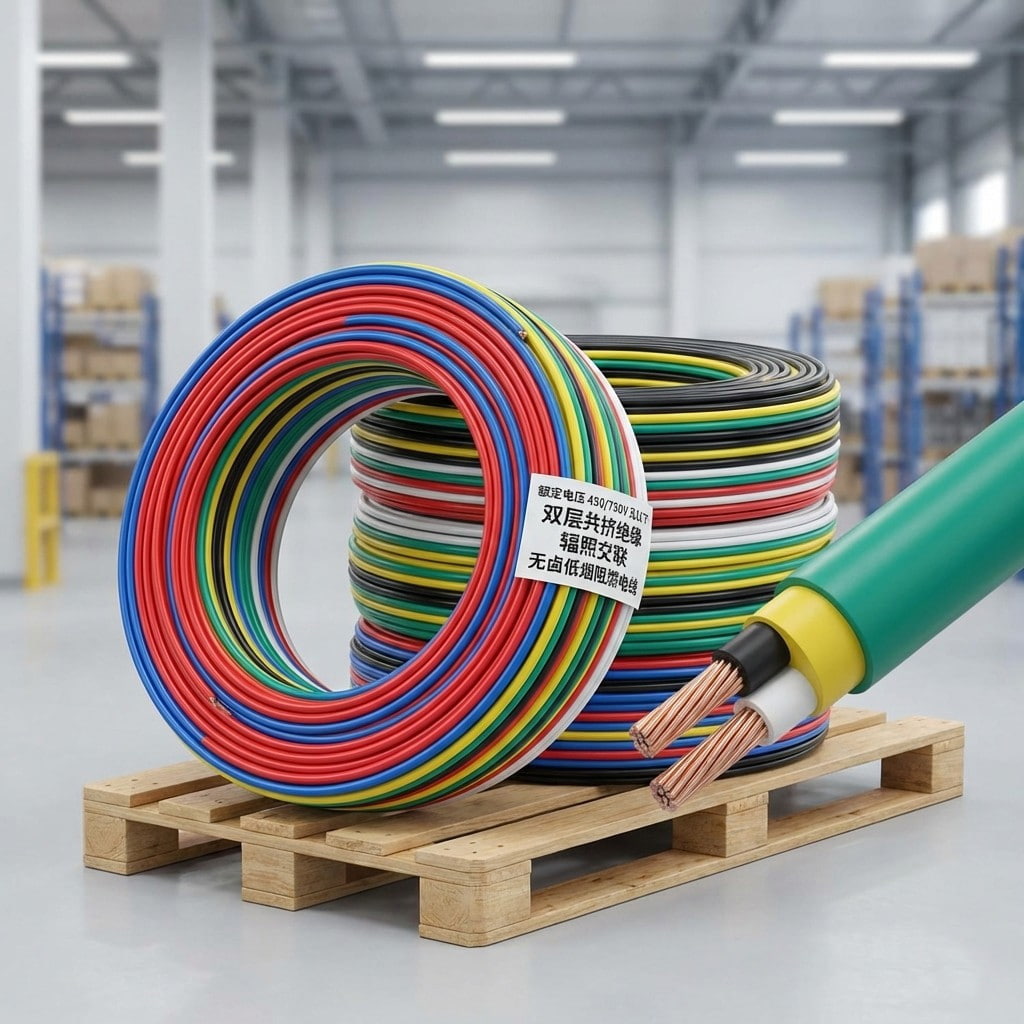
Product Overview: This product utilizes a double-layer co-extrusion insulation and electron irradiation cross-linking process, possessing halogen-free, low-smoke, and flame-retardant properties. It i...
See Details -
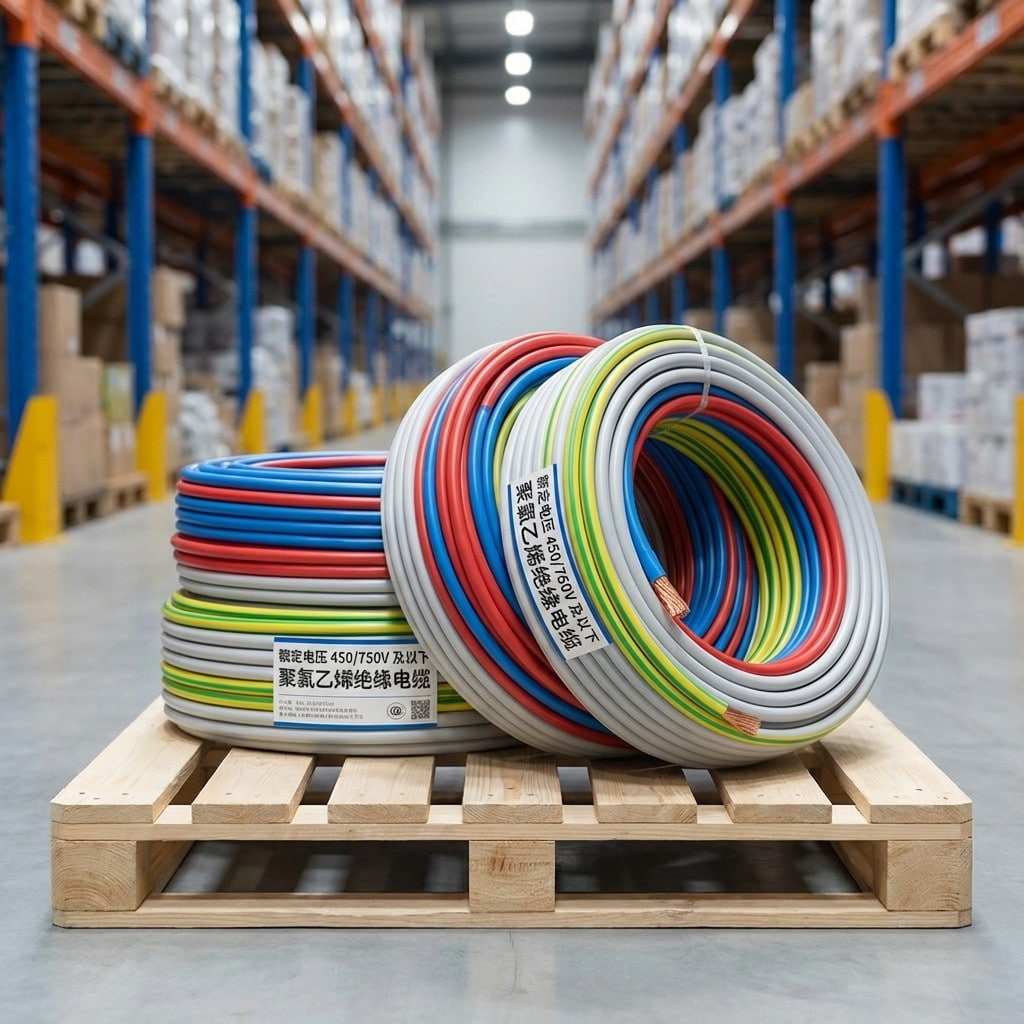
Product Overview: This series consists of general-purpose wires and cables with a rated voltage of 450/750V and below, using polyvinyl chloride (PVC) insulation and sheathing. Featuring mature technol...
See Details
- About Us
- Company Profile
- History
- Smart Factory
- Resources
- Resources
- Technical Datasheets
- Product Catalogs
- Certificates & Compliance
- Industry Standards
- FAQs
- News
- Products
- Power Cables
- Electrical Equipment Cables
- Wind Power Cables
- Photovoltaic / Energy Storage Cables
- Overhead Cables
- Rail Transit
- Contact
- Contact
- Contact Meaia
-
Mobile QR code

Back to top

