
 English
  中文简体
中文简体 

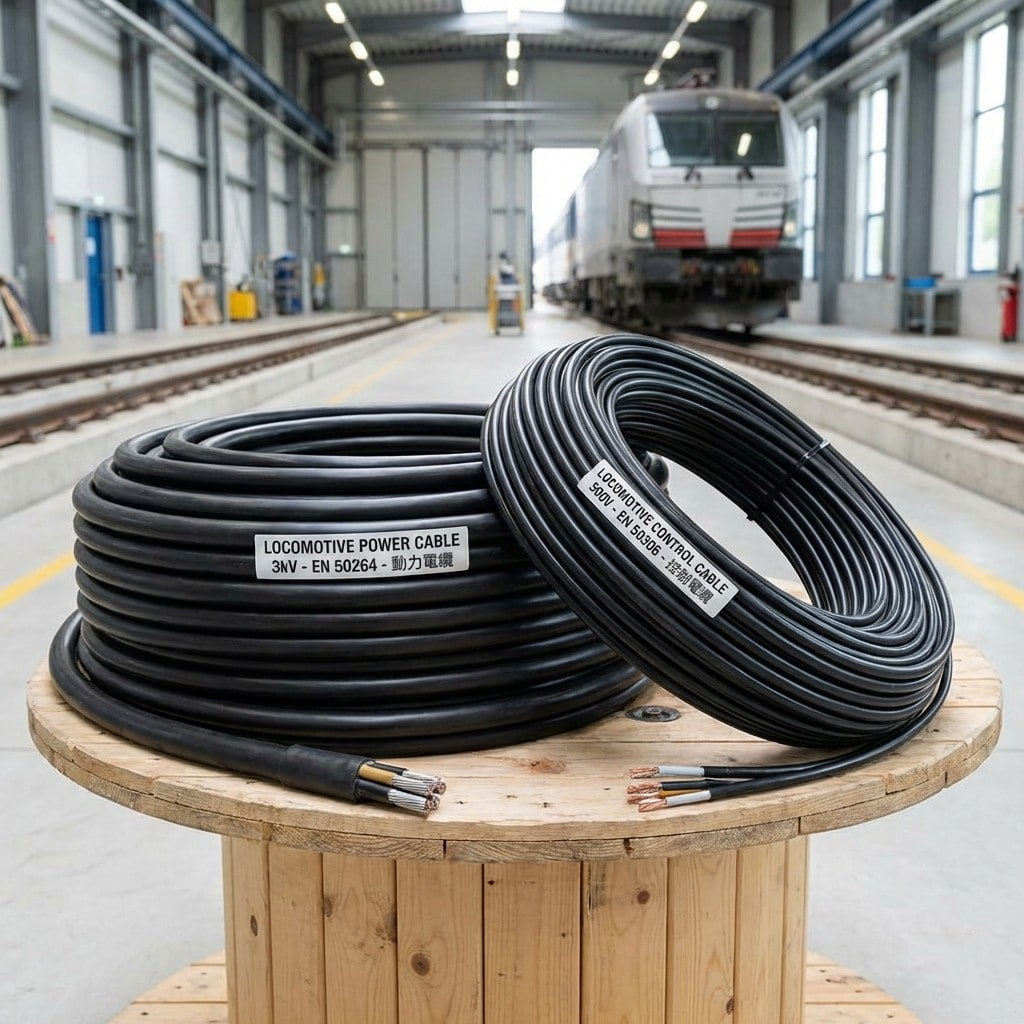
Product Introduction: Locomotive and rolling stock cables are specifically designed for the rail transit industry, covering both power supply and control signaling. The cables utilize highly flexible ...
See Details
Custom Power Cables: How to Specify, Test, and Source Them Right | Jiangsu Qucheng
Sep 03,2026
Content
- 1 What “Custom” Actually Means in a Power Cable
- 2 Start With the Operating Envelope, Not the Catalog
- 3 Parameter by Parameter: What a Custom Specification Looks Like
- 4 When Custom Cables Are Worth the Lead Time
- 5 Testing and Documentation Matter as Much as the Cable
- 6 What to Send a Cable Manufacturer When You Ask for a Custom Power Cable
- 7 Bottom Line
A 1 kV feeder trips on an earth fault three months after a substation upgrade. The cable was rated for 70 °C continuous operation, but the tray sits beside a steam line and is packed with nine other energized circuits. The insulation aged, the screen failed, and the maintenance team lost a weekend. The root cause was not a manufacturing defect. It was a standard power cable used outside its operating envelope.
If your first encounter with “custom power cables” came from a PC build, the phrase might sound like a way to tidy up power supply wiring inside a compact case. The same idea, matching the conductor, insulation, screening, and bend characteristics to the job, applies at industrial scale, but with much higher stakes. Custom power cables are engineered around the cable’s real operating envelope, not a generic catalog number.
What “Custom” Actually Means in a Power Cable
In the cable industry, “custom” does not simply mean a different length or a colored jacket. It means changing one or more design elements to improve performance under known conditions.
- Conductor material and cross-section, from annealed copper to aluminum, with stranding selected for static or dynamic duty.
- Insulation material and thickness, chosen for voltage, operating temperature, and exposure to moisture or chemicals.
- Metallic screen, armoring, or an overall sheath that adds mechanical protection, electromagnetic compatibility, or fire performance.
- Voltage rating, from 450/750 V control circuits to 110 kV and 220 kV transmission circuits.
- Factory tests, including conductor resistance, high-voltage withstand, and flame propagation.
Each option affects the others. A cable with a larger conductor can generate more heat; a thicker insulation changes the bending radius; a flexible stranding may require a different sheath compound. This is why custom power cable design is a system exercise, not a component swap.
Start With the Operating Envelope, Not the Catalog
The starting point is always the real installation. List the voltage and expected fault level, continuous and short-circuit current, ambient temperature, installation method (air, duct, direct burial, tray), cable grouping, and mechanical loads. These inputs determine the conductor size, insulation level, and construction.
Voltage Class and Insulation System
For low-voltage distribution, 0.6/1 kV XLPE or PVC insulated cables cover most feeders and branch circuits. Custom 1 kV power cable options can include different conductor classes, armoring, and sheath materials to match a specific project. At higher voltages, insulation design and factory testing become more demanding; 35 kV and 110 kV cables require strict contamination control during extrusion and assembly, plus partial discharge testing that low-voltage cables do not always need.
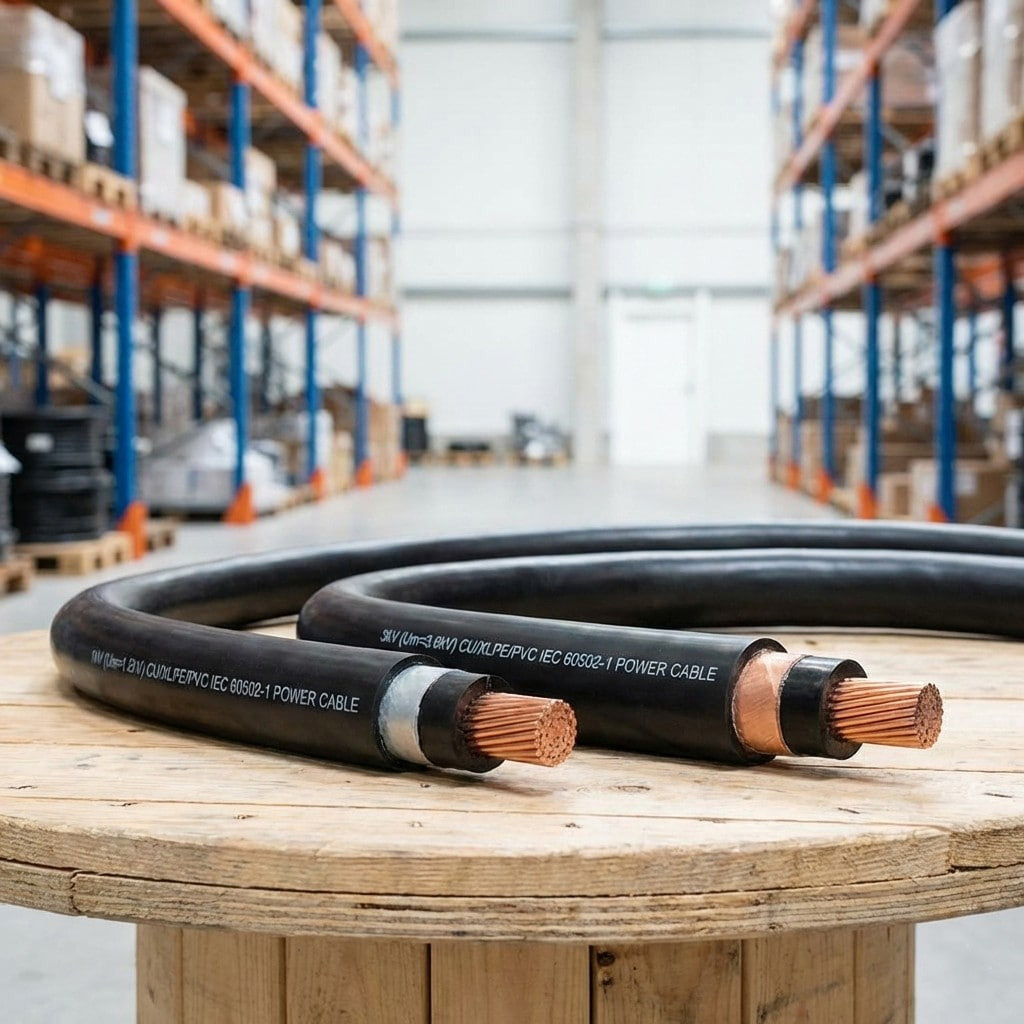 Wholesale Extruded Insulated Power Cable, Rated Voltage 1kV (Um=1.2kV) and 3kV (Jiangsu Qucheng Cable Technology Co., Ltd. is a China Wholesale Extruded Insulated Power Cable, Rated Voltage 1kV (Um=1.2kV) and 3kV (Um=...View Product →
Conductor Flexibility and Mechanical Duty
A cable routed around moving machinery must use flexible stranded conductors, often Class 5 or Class 6, to survive repeated bending. Wind turbines are the clearest example: cables in the tower, nacelle, and hub face torsion and vibration. A standard rigid power cable will eventually fatigue at the conductor or screen. That is why wind projects choose a torsion-resistant flexible cable for wind power with a test history that matches the turbine duty.
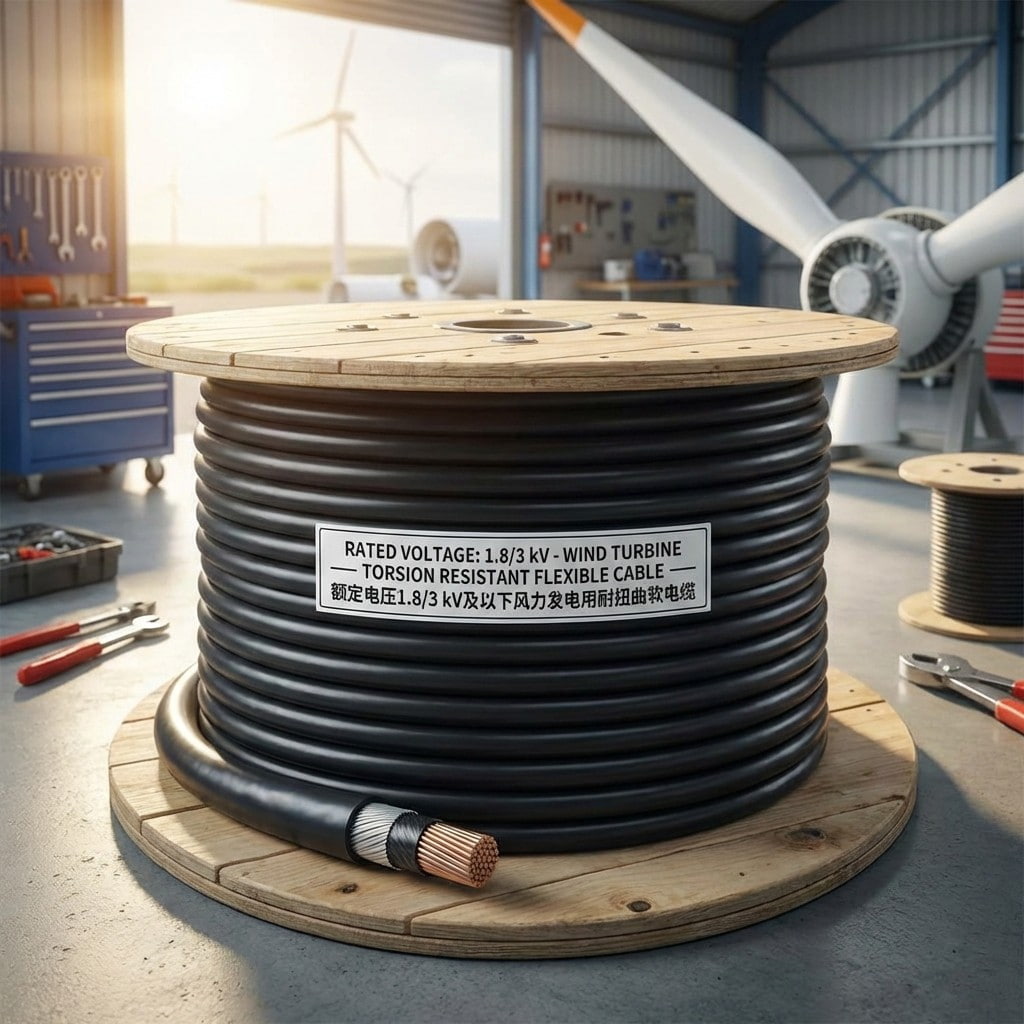 Wholesale Torsion-resistant Flexible Cable for Wind Power, Rated Voltage 1.8/3kVJiangsu Qucheng Cable Technology Co., Ltd. is a China Wholesale Torsion-resistant Flexible Cable for Wind Power, Rated Voltage 1.8/3kV an...View Product →
Flame, Smoke, and Environmental Requirements
Fire performance often decides the cable type in buildings, tunnels, and rail projects. Low-smoke, halogen-free compounds reduce toxic gas release, while flame-retardant compounds limit flame spread. Chemical resistance, UV resistance, and moisture resistance matter just as much outdoors and in process plants.
Parameter by Parameter: What a Custom Specification Looks Like
| Parameter | Typical Options | Why It Matters |
|---|---|---|
| Voltage rating | 450/750 V, 0.6/1 kV, 6/10 kV, 35 kV, 110 kV, 220 kV | Determines insulation thickness and test level |
| Conductor class | Class 1 solid, Class 2 stranded, Class 5/6 flexible | Affects flexibility, termination method, and cost |
| Insulation compound | PVC, XLPE, EPR, LSZH, irradiation-crosslinked polyolefin | Sets operating temperature, fire response, and chemical resistance |
| Screen or armoring | Copper wire screen, copper tape, steel wire, aluminum tape | Provides earth fault return, EMC shielding, or physical protection |
| Sheath | PVC, PE, LSZH, polyurethane, special oil-resistant compounds | Protects the cable against the installation environment |
The table is simplified, but it shows the interaction. Changing the conductor class may require a larger overall diameter; changing the sheath can affect flame retardance. A reliable supplier will show these trade-offs before production, not after delivery.
When Custom Cables Are Worth the Lead Time
Standard cables are cheaper per meter and faster to deliver. Custom cables make sense when a standard product forces a compromise that leads to downtime, rework, or early replacement.
The Economic Case for Custom
Consider a solar plant. The cable runs outdoors from string to inverter, exposed to UV, heat, and mechanical handling. A general-purpose PVC cable may survive a benign indoor environment, but on a rooftop or in an open field it will age faster and create high maintenance costs. A PV system cable for solar arrays is designed for that duty. The upfront cost is higher, but avoided replacement labor and downtime usually make it the lower-cost option over the project life.
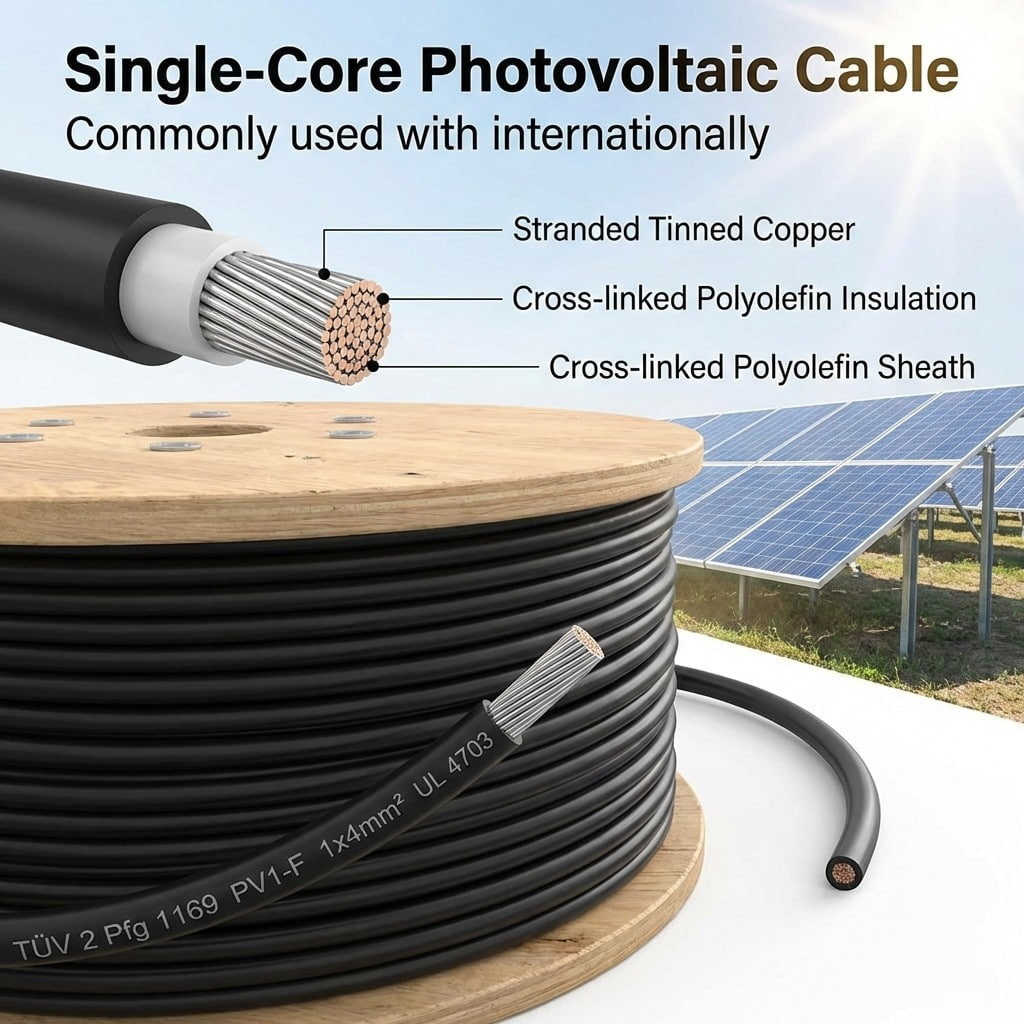 Wholesale PV System Cable Supplier, OEM/ODM CompanyJiangsu Qucheng Cable Technology Co., Ltd. is a China Wholesale PV System Cable Supplier and OEM/ODM Company, Core Advantages: ● Superior...View Product →
The Risk of Skipping Custom
Using a standard cable in a demanding environment is a form of hidden debt. A cable with insufficient flexibility in a wind turbine, or an LSZH requirement ignored in a control room, will eventually fail or fail an audit. The procurement risk is not the cable price; it is the cost of an unplanned outage, rework, or noncompliance.
Testing and Documentation Matter as Much as the Cable
Custom power cables need evidence that they perform as designed. Routine tests on every drum, sample tests, and type tests are the minimum. Conductor resistance, insulation resistance, high-voltage withstand, and flame propagation tests are common acceptance criteria. For medium- and high-voltage cables, partial discharge and tan delta measurements can reveal defects that simple resistance checks cannot.
Because correct selection is so important, buyers should also review guidance such as insulated power cable types and voltage class selection. For unusual installations, request a design review from the manufacturer; document the operating conditions and let them propose the construction. Many projects are better served by application-specific cable solutions than by modifying an off-the-shelf product on site.
If you are responsible for a new build or a replacement, the fastest way to avoid hidden mismatches is to speak with an engineer before you finalize the specification. That applies to a 50 m control cable and a 10 km transmission circuit.
What to Send a Cable Manufacturer When You Ask for a Custom Power Cable
A short, structured request produces a more useful quotation. The following list covers the details that directly determine cable design, cost, and lead time.
- Rated voltage and system earthing arrangement.
- Continuous current, expected overload, and short-circuit withstand.
- Ambient temperature range and installation conditions (air, duct, direct burial, tray, or moving equipment).
- Required bending radius, pulling method, and maximum pulling tension.
- Exposure to chemicals, oil, UV, moisture, or mechanical impact.
- Fire performance requirements, such as flame retardance, low smoke, or halogen-free operation.
- Applicable standard or customer specification, including any special tests.
- Quantity, drum lengths, delivery site, and target delivery date.
At Jiangsu Qucheng Cable Technology, we treat these inputs as the start of an engineering review, not the end of a sales conversation. The more precise the input, the less room there is for assumptions. The manufacturer can then recommend the conductor size, insulation material, screening, armoring, and sheath with confidence.
Bottom Line
Custom power cables exist because standard products cannot cover every combination of voltage, current, movement, heat, fire, and chemical exposure. They are not an upsell. They are a way to match a cable to the conditions it will actually face. Define the operating envelope, work with a manufacturer that understands testing and compliance, and compare the full lifecycle cost rather than the price per meter.
Related products
-
-
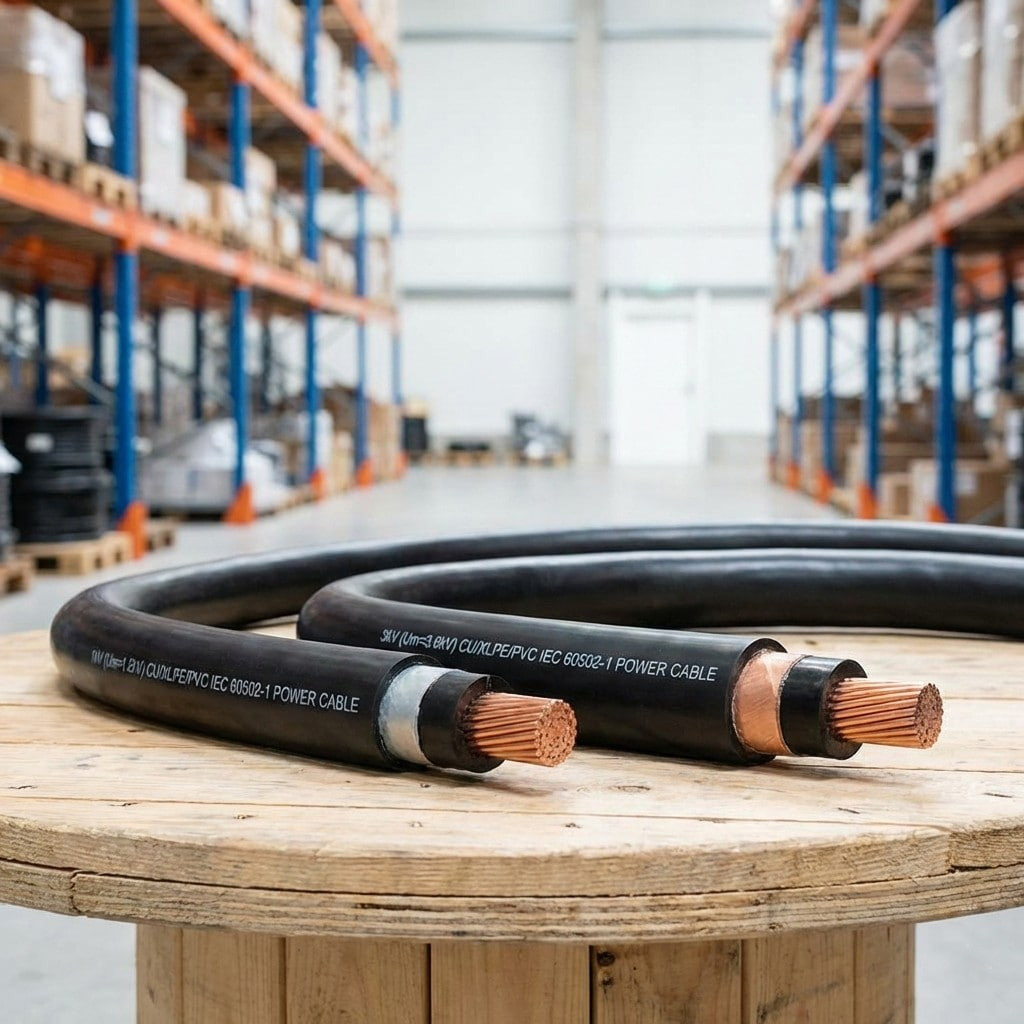
Product Definition: Low-voltage extrusion-insulated power cable for 1kV and 3kV systems, made with high-conductivity copper or aluminum conductors and premium extrusion insulation.
See Details -
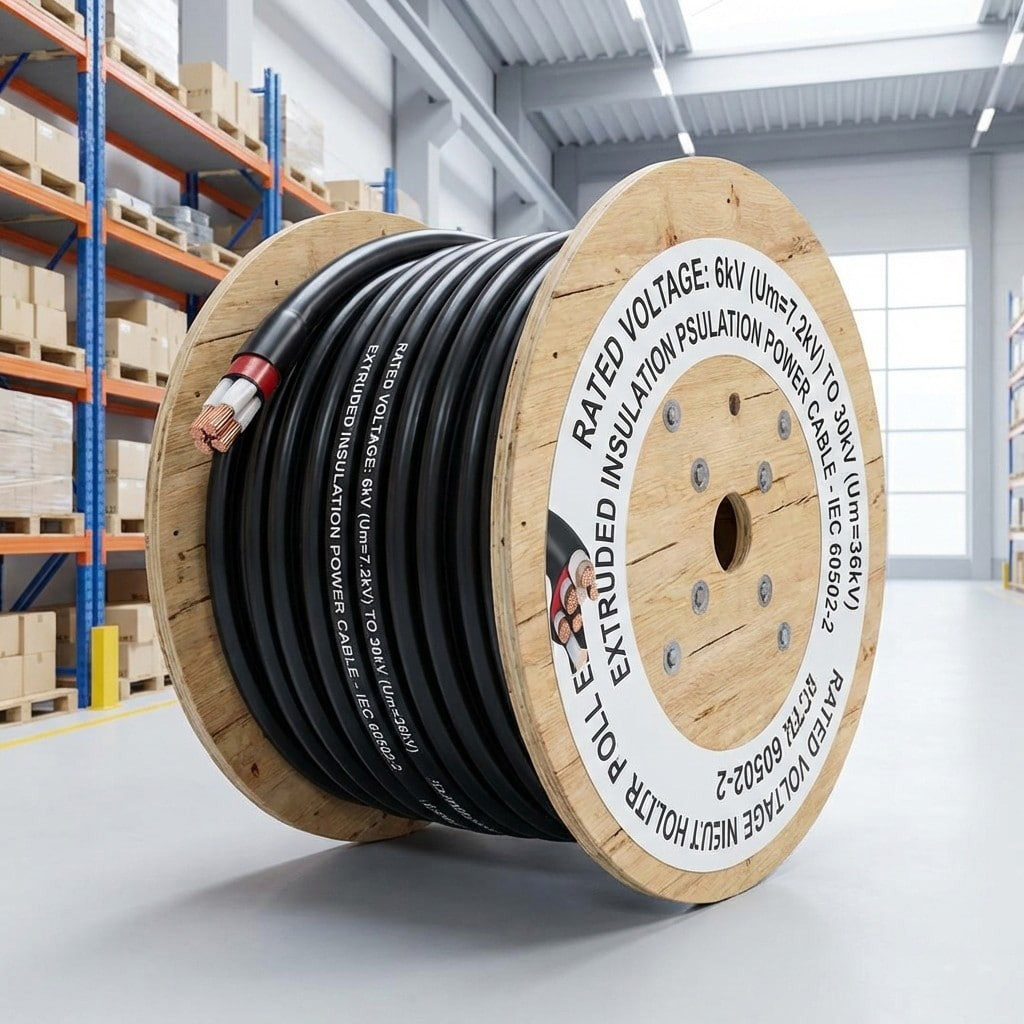
Product Definition: Medium-voltage extrusion-insulated power cable for 6kV to 30kV systems, using high-quality copper or aluminum conductors and premium insulation materials, designed for medium-volta...
See Details -
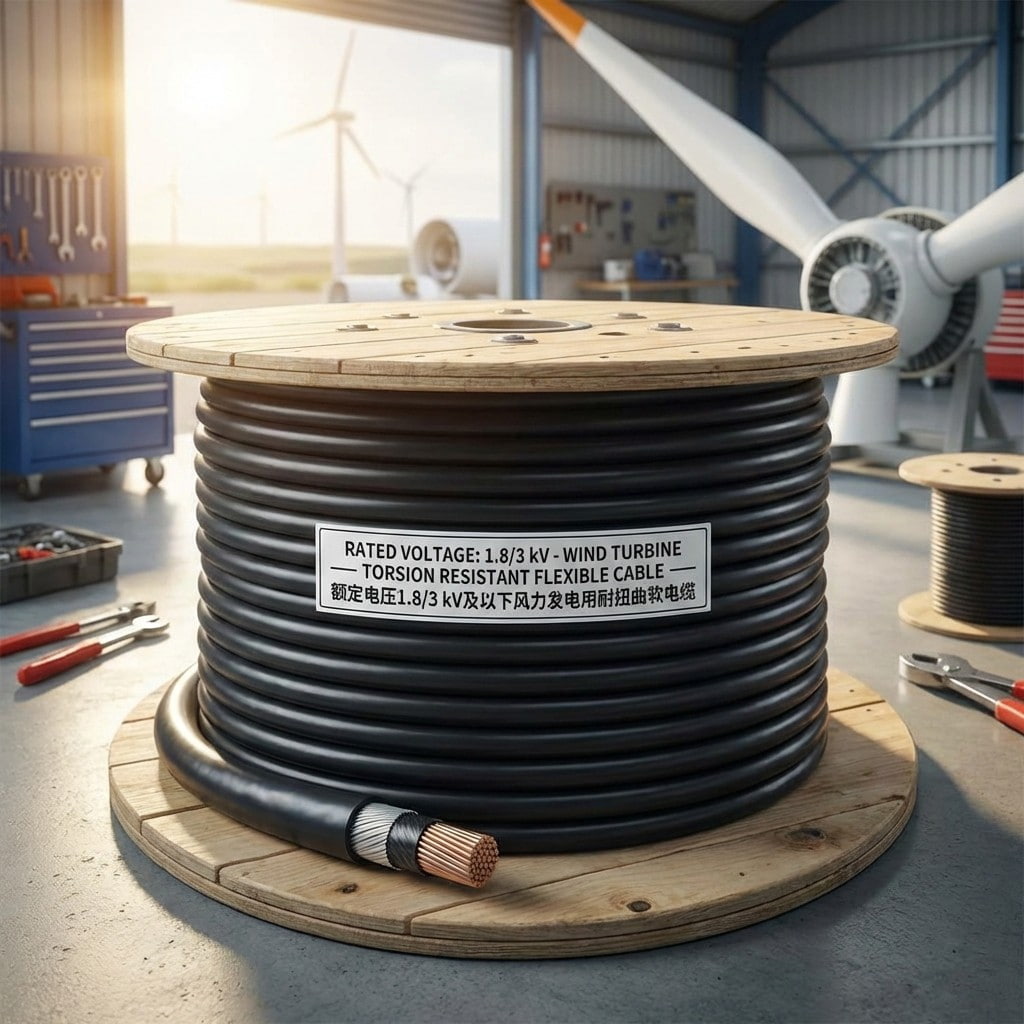
Product Introduction: Designed specifically for the harsh operating environment of wind power systems, meeting the requirements of continuous torsion and bending during mobile installation within the...
See Details -
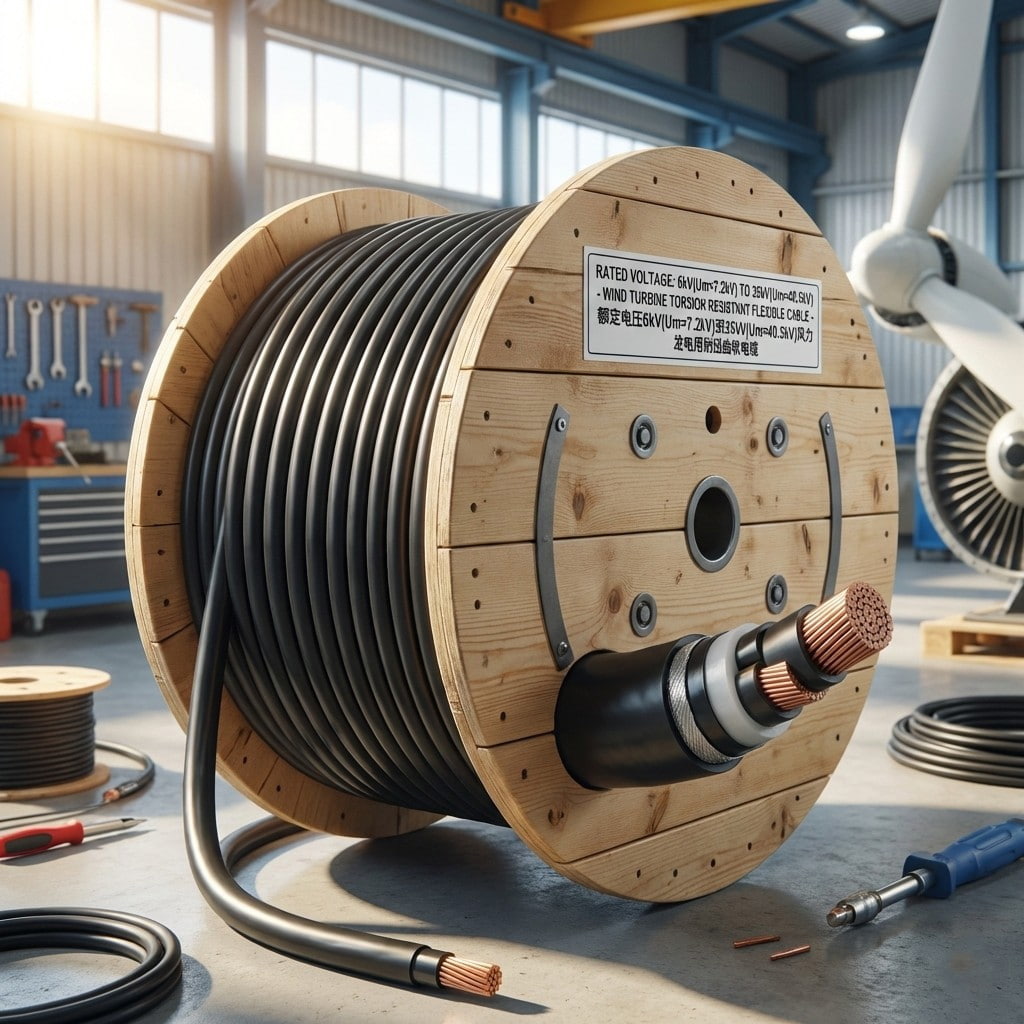
Product Overview: This series of products consists of high-performance, torsion-resistant flexible cables specifically designed for the harsh environments of wind turbine generators. Rated voltages ra...
See Details -
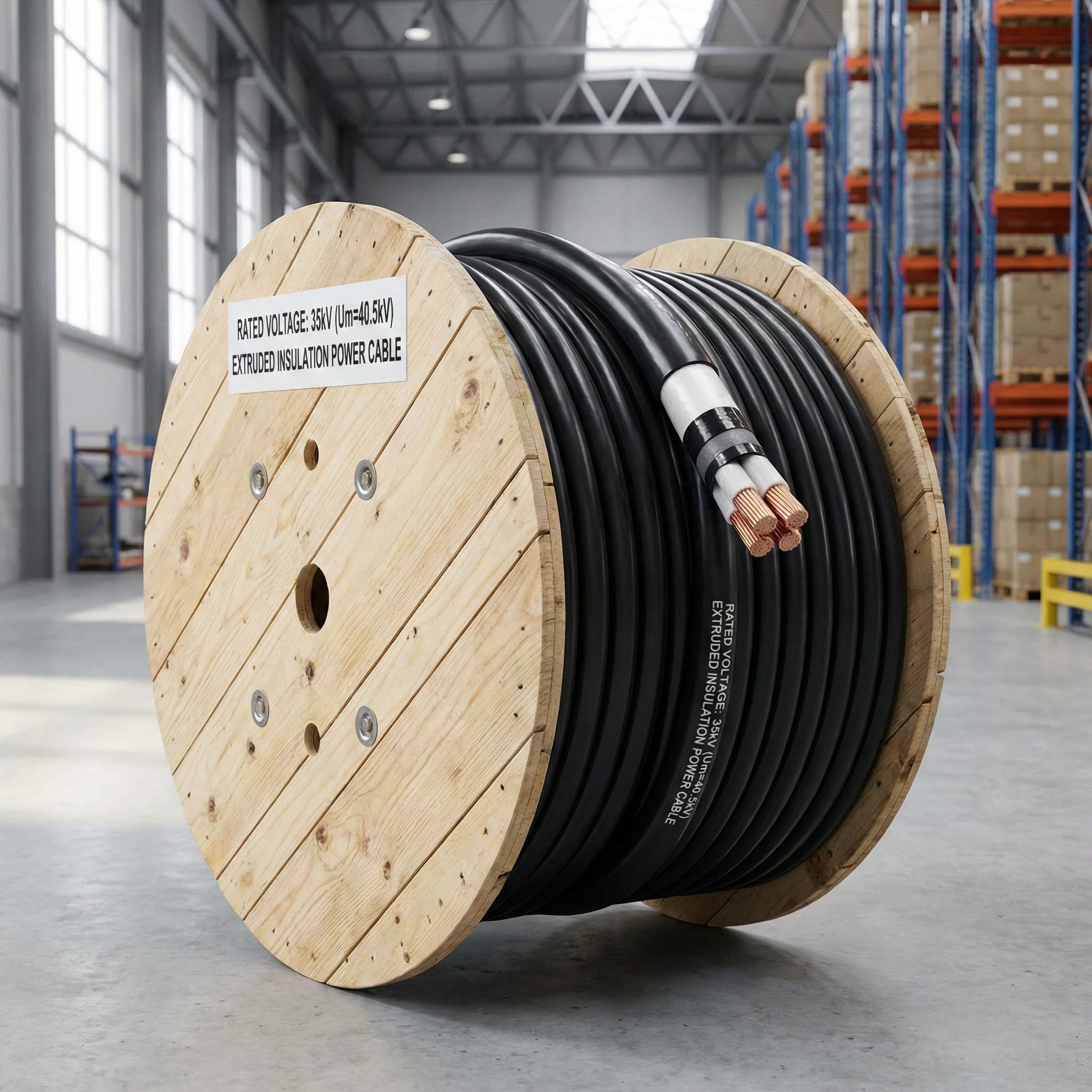
Product Definition: High-voltage extrusion-insulated power cable rated at 35kV, designed for high-voltage transmission lines, large industrial facilities, and urban power systems.
See Details
- About Us
- Company Profile
- History
- Smart Factory
- Resources
- Resources
- Technical Datasheets
- Product Catalogs
- Certificates & Compliance
- Industry Standards
- FAQs
- News
- Products
- Power Cables
- Electrical Equipment Cables
- Wind Power Cables
- Photovoltaic / Energy Storage Cables
- Overhead Cables
- Rail Transit
- Contact
- Contact
- Contact Meaia
-
Mobile QR code

Back to top

