
 English
  中文简体
中文简体 

Product Introduction: Locomotive and rolling stock cables are specifically designed for the rail transit industry, covering both power supply and control signaling. The cables utilize highly flexible ...
See Details
Locomotive and Rolling Stock Cable: Critical Requirements & Selection Guide
Aug 12,2026
Content
- 1 The Service Environment Decides the Cable Design
- 2 What Rolling Stock Cables Must Withstand
- 3 Power Cables and Control Cables Serve Different Roles
- 4 Signal and Earthing Cables Complete the Installation
- 5 What to Verify Before You Specify a Locomotive and Rolling Stock Cable
- 6 Documentation, Testing and Manufacturer Qualification
- 7 A Final Recommendation
The Service Environment Decides the Cable Design
During a routine inspection at a railway maintenance depot, an engineer found hairline cracks in the sheath of a control cable running along the underframe. The cable had passed the original commissioning tests, but years of heat from the traction converter, vibration from the bogie, and contamination from oil mist eventually weakened it. Nothing failed that day, but the discovery triggered a re-cabling programme that cost considerably more than the original cable purchase.
In rolling stock, cable selection starts with the service environment, not with a voltage rating alone. A cable that works well in a factory or a building installation can crack, soften or produce dangerous smoke inside a moving vehicle. This article explains what locomotive and rolling stock cables must withstand, how power and control cables differ, and what you should verify before specifying a cable for a rail project.
What Rolling Stock Cables Must Withstand
A rail vehicle is one of the most demanding places to install an electric cable. It vibrates on every track joint, generates intense heat around braking resistors and traction inverters, and collects water, salt and oil in almost every underfloor cavity. Standard industrial cables are rarely acceptable because they are not designed for all of these stresses at the same time.
Fire, Smoke and Toxic Gas Performance
Fire safety is the first constraint. Most traction, auxiliary and control circuits require flame-retardant cables that pass bunched flame spread tests such as the procedure in IEC 60332-3. In passenger vehicles, low smoke zero halogen (LSZH) compounds are specified almost everywhere because they release very little smoke and no acidic gases when burned, keeping evacuation routes visible and limiting corrosion of nearby equipment.
EN 45545-2 defines fire behaviour requirements for materials and components used in railway vehicles, and many projects outside Europe use similar performance categories. The finished cable assembly must be tested, not just the raw compound, because fire performance depends on the arrangement of conductors, fillers, tapes and sheaths. A complete type test report for the exact construction is the only reliable evidence.
Heat, Cold and Temperature Cycling
Rolling stock cables typically operate at continuous conductor temperatures of 90 °C to 105 °C, with short-circuit conditions pushing them higher for brief periods. At the same time, winter operation subjects them to far below zero. The insulation and sheath compounds must keep their mechanical properties through both extremes because premature ageing, insulation cracking and connector loosening are common symptoms of an under-specified temperature class.
Vibration, Bending and Abrasion
Vibration is continuous, and bogie-mounted equipment, roof compressors and axle-mounted sensors all add mechanical input. Flexible fine-stranded copper conductors conforming to Class 5 or Class 6 of IEC 60228 keep bending stress low, while the sheath must resist chafing without becoming brittle. Cables that loop between car bodies or connect moving equipment need an extra margin of flexibility because movement cycles add up over decades of service.
Oil, Moisture, UV and Chemical Resistance
Diesel fuel, hydraulic oil, grease, cleaning agents and de-icing chemicals can all contact the cable sheath, and oil-resistant compounds prevent swelling, softening and cracking. Underfloor routes also expose cables to water, mud and salt, so water-resistant construction is important. On rooftops, UV-resistant sheathing materials are necessary because the cable spends decades in direct sunlight. Choosing a cable with excellent fire performance but poor oil resistance, then installing it in an engine compartment, is one of the most common specification mistakes.
Power Cables and Control Cables Serve Different Roles
Modern rolling stock separates its cable systems into power circuits and control circuits, and the cable construction reflects that difference in every layer.
| Property | Power cable | Control cable |
|---|---|---|
| Primary role | Traction motors and auxiliary power | Control loops, interlocks and status signals |
| Typical voltage rating | 0.6/1 kV or higher | 300/500 V up to 0.6/1 kV |
| Conductor design | Flexible copper, Class 5 or 6 | Fine-stranded copper for repeated flexing |
| Electromagnetic shield | Usually not required | Braided copper screen common |
| Key failure consequence | Loss of propulsion or auxiliary power | Unexpected train behaviour or false signals |
| Fire and smoke performance | Flame retardant, LSZH | Flame retardant, LSZH, screen integrity |
Power cables feed traction motors and auxiliary loads such as compressors, ventilation fans and battery chargers. They need larger conductor sections, thicker insulation and a mechanically tough sheath. Control cables carry commands, feedback signals and safety interlocks. They are smaller but must resist electromagnetic interference from the inverters and converters running in the same cable bundles, because a disturbed signal can cause a false speed reading or an incorrect door command.
For applications that cover both duties, our locomotive and rolling stock power and control cable uses flexible Class 5 conductors, LSZH insulation and sheath materials, and braided screening options on control versions, making it suitable for the confined tray and conduit spaces typical of rail vehicles.
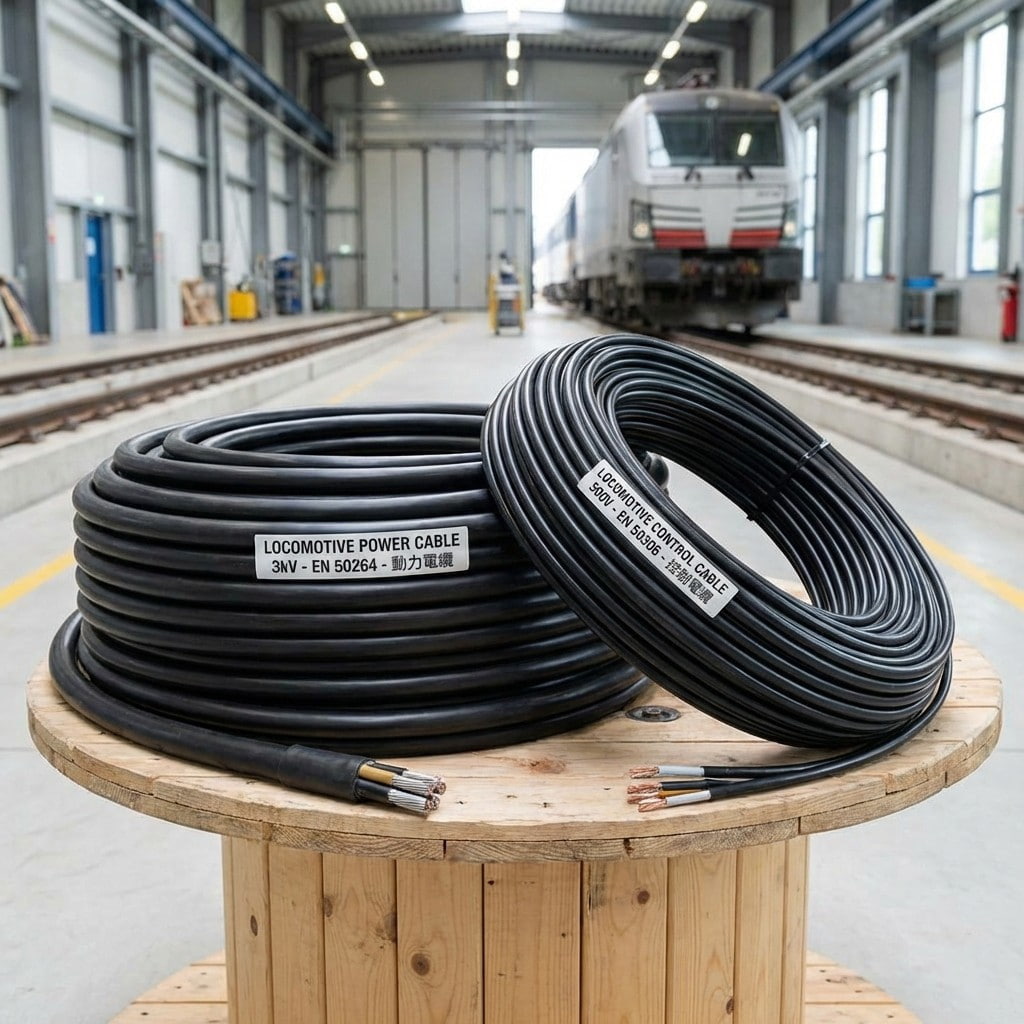 Locomotive and Rolling Stock Cables Suppliers, CompanyAs China locomotive and rolling stock cables suppliers and OEM/ODM comapny, Jiangsu Qucheng Cable Technology Co., Ltd. offer whoelsae Loc...View Product →
Signal and Earthing Cables Complete the Installation
Signal and Monitoring Circuits
Train control, passenger information and condition monitoring systems depend on signal circuits that stay accurate over long runs in a noisy electrical environment. Signal cables need stable insulation resistance, low capacitance and effective shielding against interference from power feeders. The railway signal cable in our portfolio uses screened cores and an LSZH outer sheath so it can run alongside power cables without compromising signal quality.
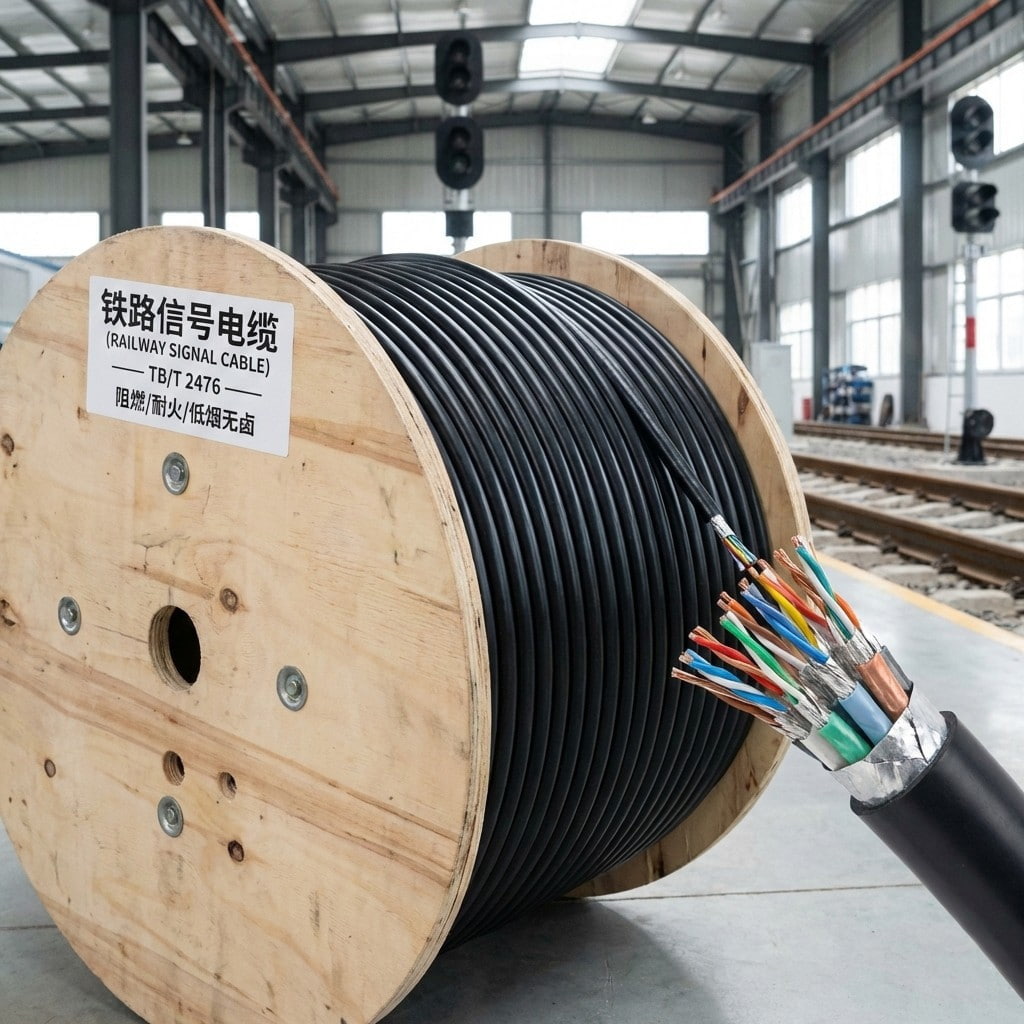 Wholesale Railway Signal Cable Supplier, OEM/ODM CompanyJiangsu Qucheng Cable Technology Co., Ltd. is a China Wholesale Railway Signal Cable Supplier and OEM/ODM Company, Product Advantages: ● ...View Product →
Earthing and Protective Conductors
A dependable earth path protects passengers, maintenance staff and electronic equipment. The system must conduct fault current back to the source quickly while staying corrosion resistant for decades. A dedicated railway through-ground conductor provides a continuous, low-resistance earth path and helps keep touch voltages within safe limits in wet track areas.
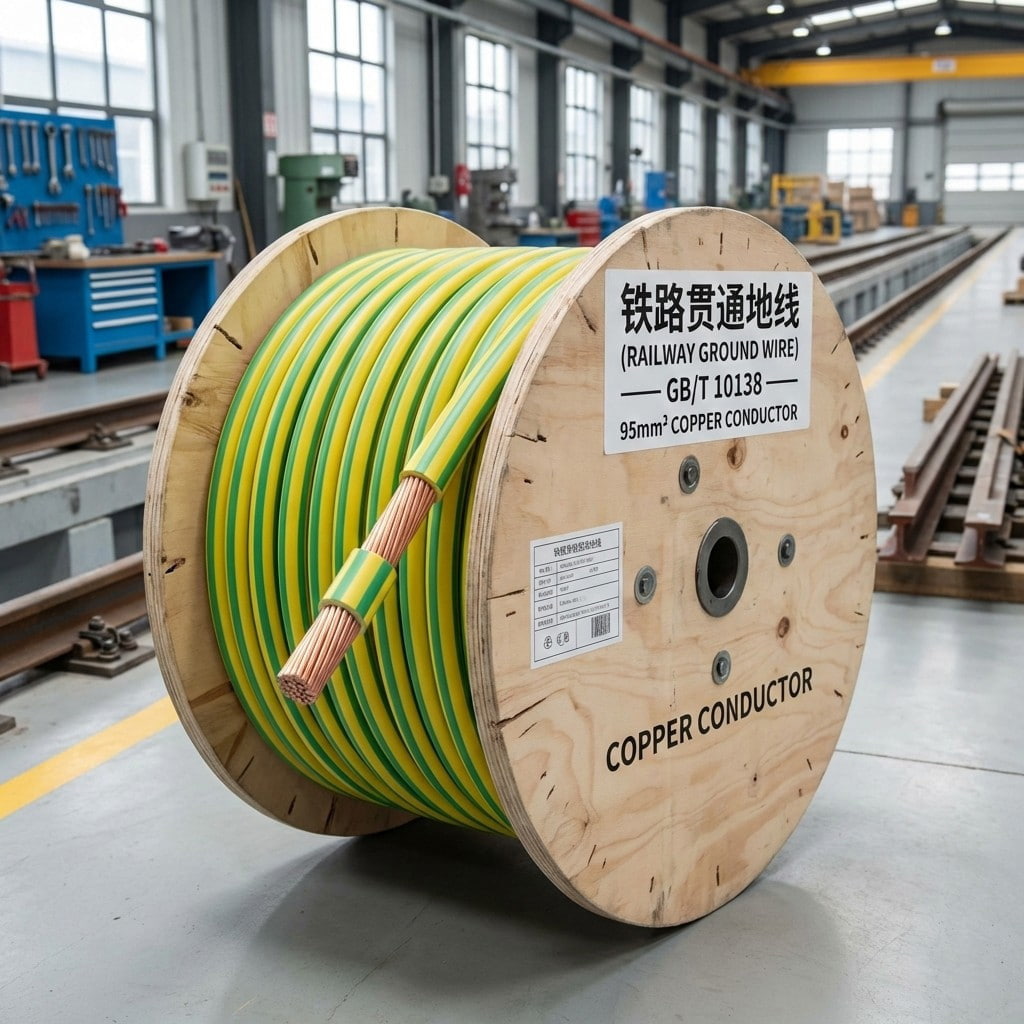 Wholesale Railway Through-ground Conductor Supplier, OEM/ODM CompanyJiangsu Qucheng Cable Technology Co., Ltd. is a China Wholesale Railway Through-ground Conductor Supplier and OEM/ODM Company, Core Advan...View Product →
What to Verify Before You Specify a Locomotive and Rolling Stock Cable
Buyers and engineers often focus on price and delivery time, but the service life of a rolling stock cable is measured in decades and replacement is expensive. Check the following points before finalising a specification:
- Voltage rating and conductor size — confirm they match the circuit, including starting currents and future load growth.
- Temperature class — check not only the ambient temperature but local hot spots around resistors, engines and converters.
- Fire performance — define the required flame retardancy, smoke density and halogen content at project level, and request a type test report for the exact construction.
- Oil and chemical resistance — identify every fluid the cable may contact along its route and compare it with the material data sheet.
- Flexibility and bending radius — verify against the installation layout, especially for moving sections and tight underfloor passages.
- Screening and earthing — for control and signal cables, confirm the screen construction and the recommended screen termination method.
- Marking and traceability — continuous, readable marking identifying the manufacturer, fire standard and production batch simplifies maintenance and warranty claims.
Each item affects reliability in a different way, and a requirement that matters in one project may be irrelevant in another. A detailed project specification, rather than a generic cable description, is the right starting point.
Documentation, Testing and Manufacturer Qualification
A cable is only as reliable as the testing behind it. Type tests demonstrate that a design meets its standards, routine tests verify every production lot, and inspection certificates provide the traceability that rail projects require. Without this documentation, a cable that looks identical can behave very differently in a fire or fatigue scenario.
A qualified manufacturer provides full test reports, material declarations and certificates from accredited bodies. Jiangsu Qucheng Cable Technology holds ISO 9001, ISO 14001 and ISO 45001 certification, and production covers raw material inspection, process control and final testing. For rolling stock applications, we supply locomotive and rolling stock cables with the documentation required for project acceptance.
Environmental data is also becoming part of the procurement package. Rail operators and contractors increasingly request carbon footprint verification and sustainability reporting. Qucheng has published product carbon footprint verification reports for several cable types as well as an ESG report covering company-level environmental performance, which can shorten approval time when environmental criteria are scored. If you are reviewing a complete rail transit cable family, the product catalogue shows the range of power, control, signal and earthing cables we offer.
A Final Recommendation
Reliable rolling stock cabling is a systems engineering exercise. The electrical rating must match the circuit, the fire performance must match the evacuation strategy, and the mechanical design must match the actual installation path. Skipping any of these checks shifts the risk to the maintenance depot, where failures are far more expensive to fix.
Start with a clear specification, request type test reports, and verify the manufacturer's quality system before placing an order. If you are unsure about the right construction for your project, our engineers can discuss your specification and provide sample documentation directly before you commit.
Related products
-
-
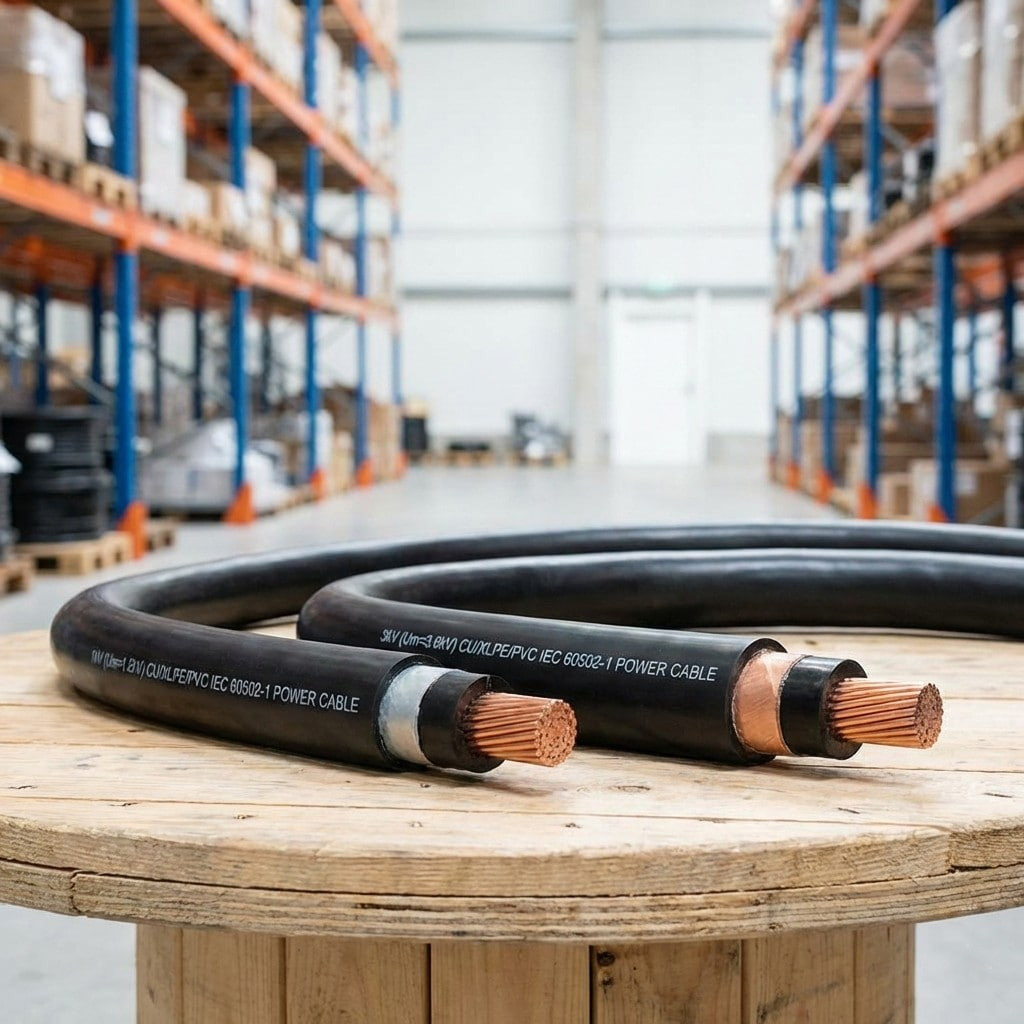
Product Definition: Low-voltage extrusion-insulated power cable for 1kV and 3kV systems, made with high-conductivity copper or aluminum conductors and premium extrusion insulation.
See Details -
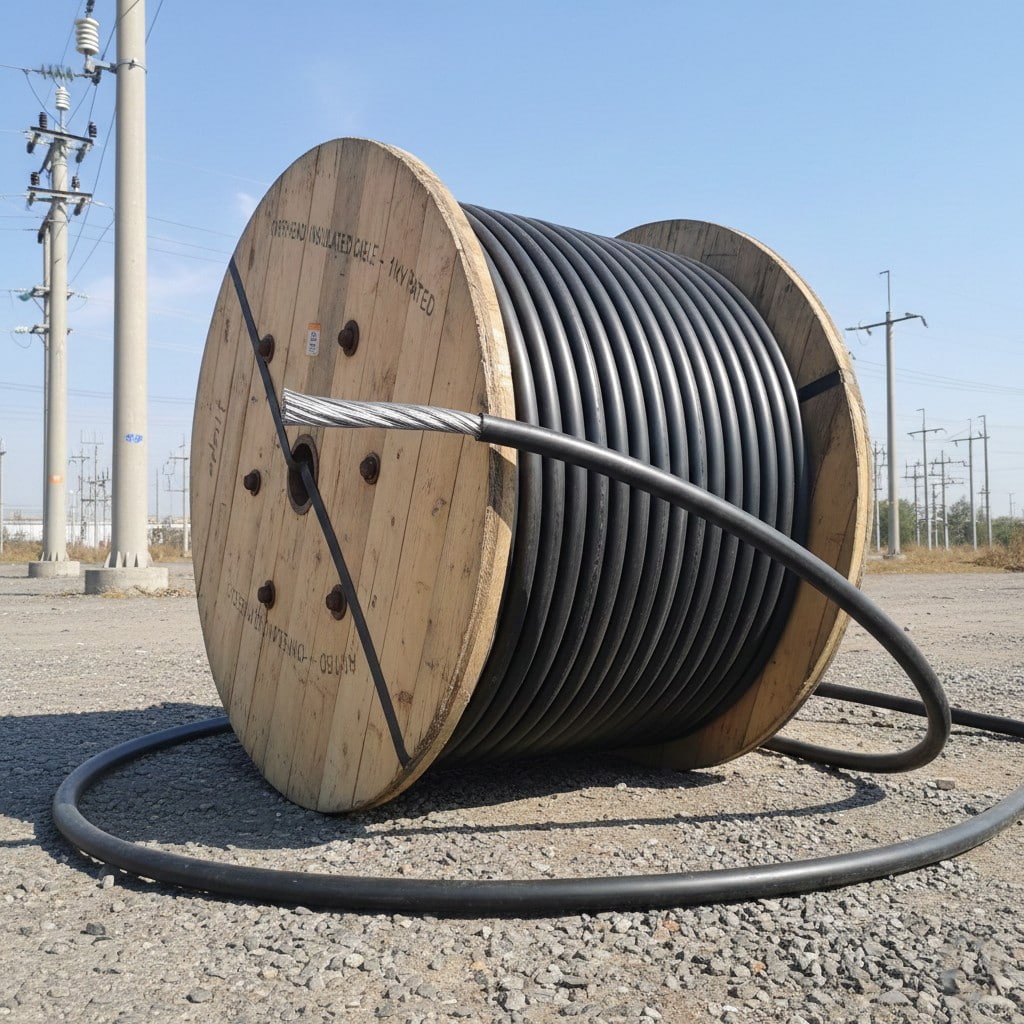
Product Overview: Designed specifically for overhead power line installation, this product is suitable for distribution lines with a rated voltage of 1kV and below, making it an ideal choice for urban...
See Details -
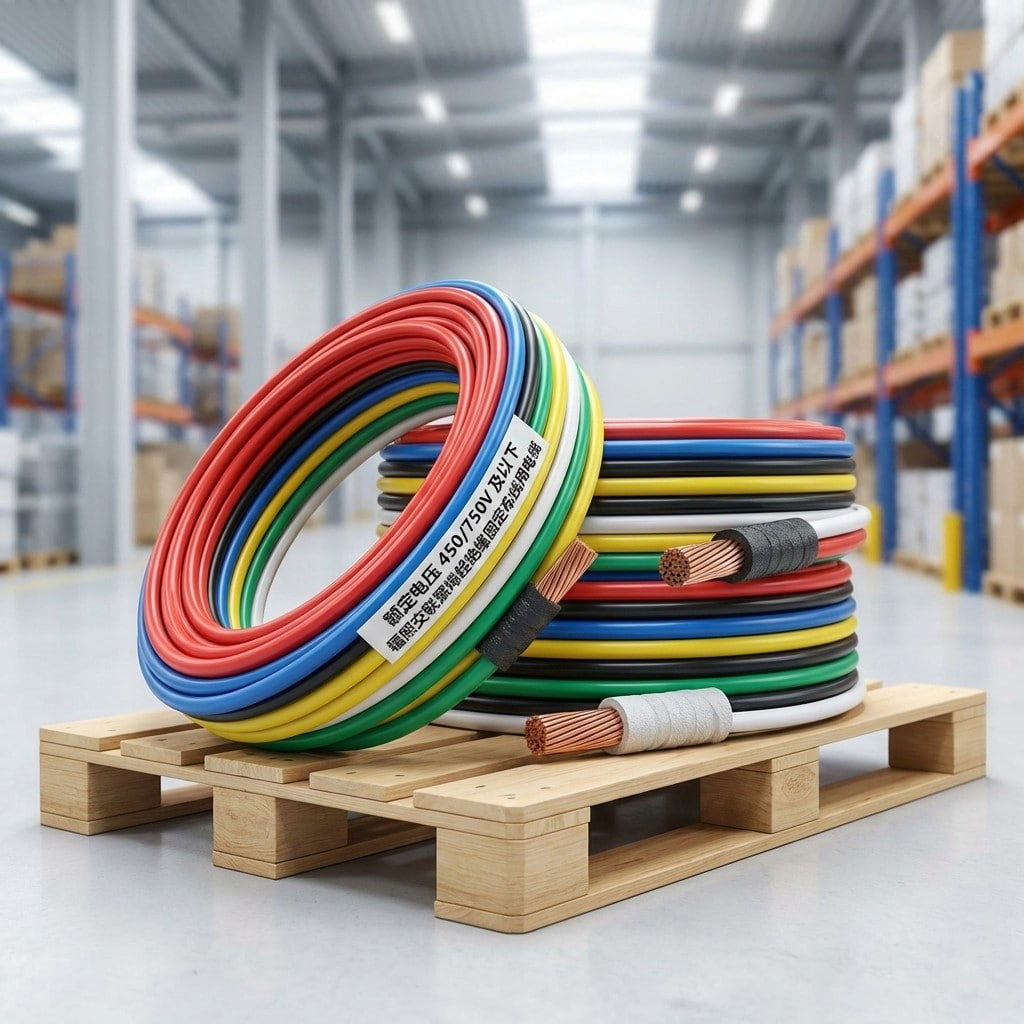
Product Overview:This product is made of high-quality polyolefin material through an electron irradiation cross-linking process. It is suitable for fixed installations with rated voltages of 450/750V ...
See Details -
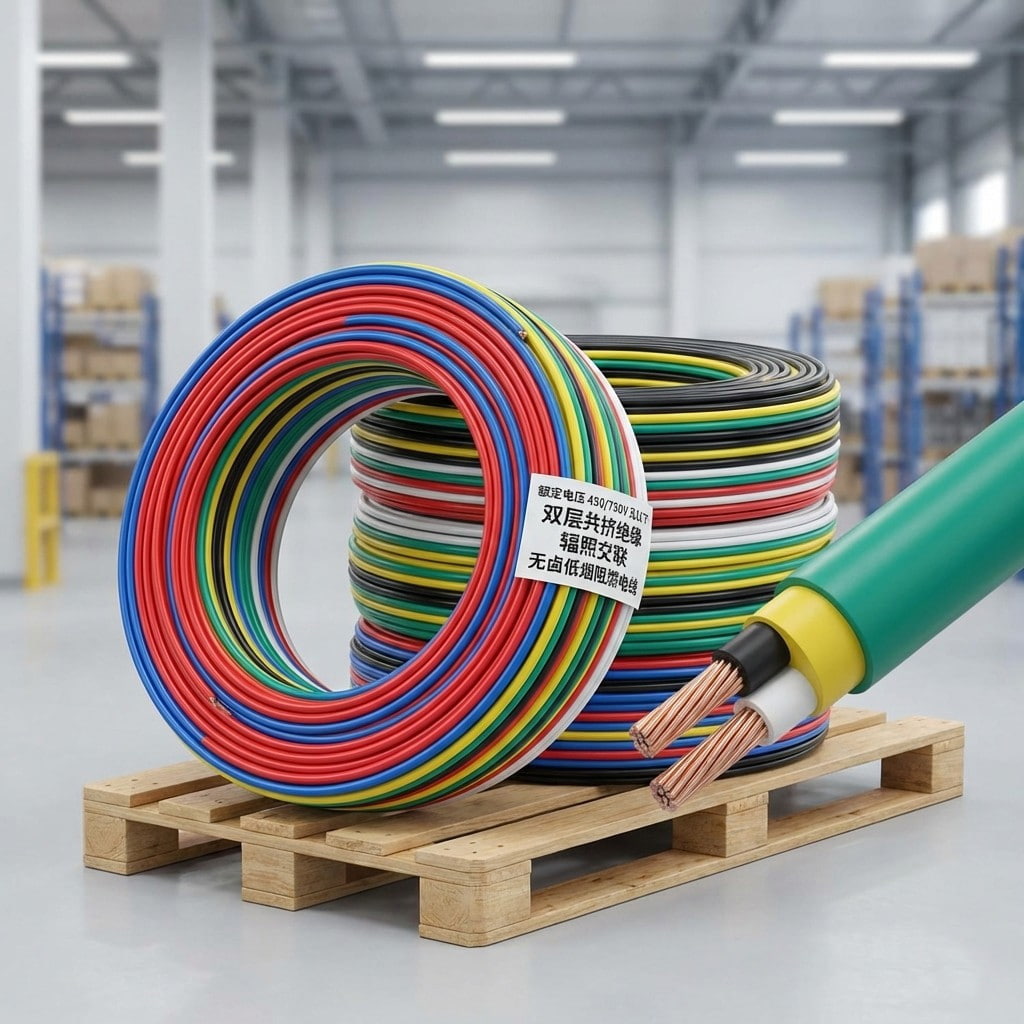
Product Overview: This product utilizes a double-layer co-extrusion insulation and electron irradiation cross-linking process, possessing halogen-free, low-smoke, and flame-retardant properties. It i...
See Details -
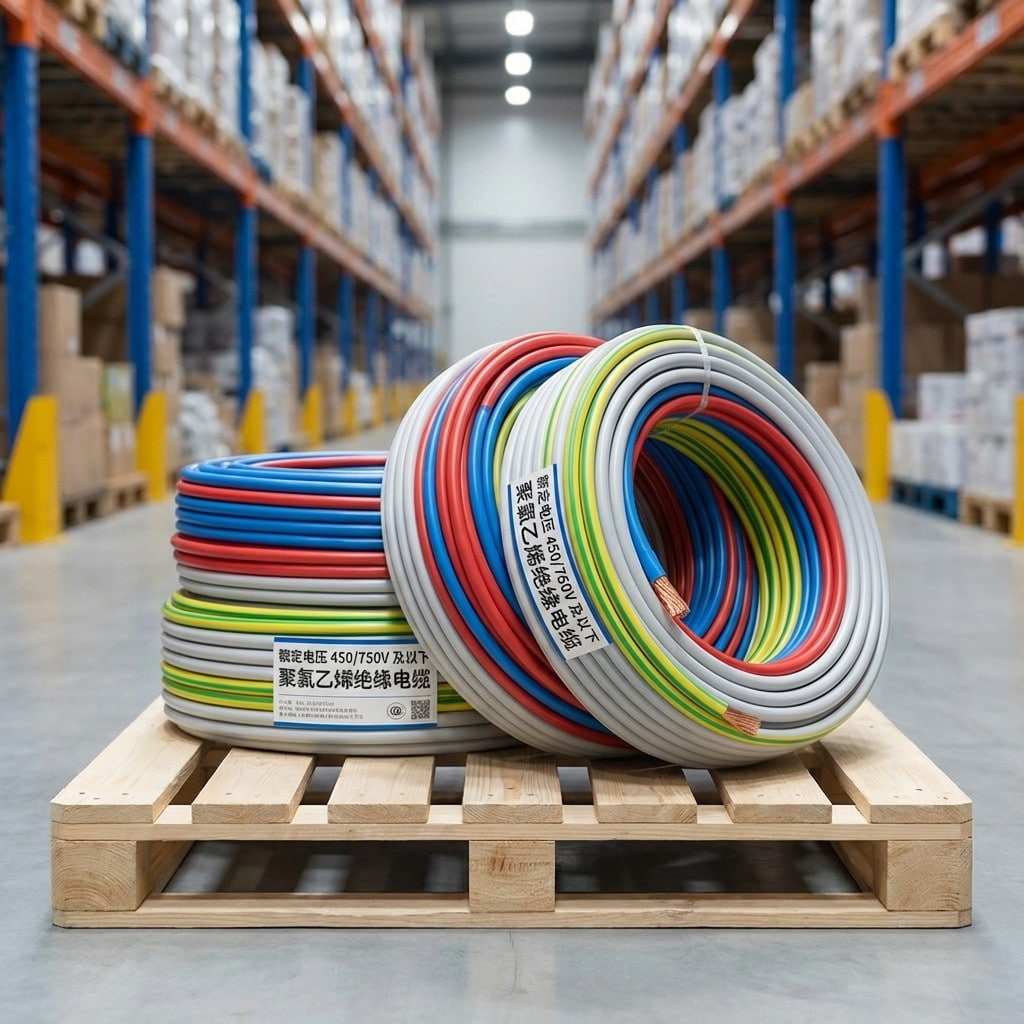
Product Overview: This series consists of general-purpose wires and cables with a rated voltage of 450/750V and below, using polyvinyl chloride (PVC) insulation and sheathing. Featuring mature technol...
See Details
- About Us
- Company Profile
- History
- Smart Factory
- Resources
- Resources
- Technical Datasheets
- Product Catalogs
- Certificates & Compliance
- Industry Standards
- FAQs
- News
- Products
- Power Cables
- Electrical Equipment Cables
- Wind Power Cables
- Photovoltaic / Energy Storage Cables
- Overhead Cables
- Rail Transit
- Contact
- Contact
- Contact Meaia
-
Mobile QR code

Back to top

